Somewhere south of Chicago, kids are walking around with buckets full of plain-looking rocks, and they could not be happier. Those lumpy stones can hide plants and creatures from a world that existed about 300 million years ago.
The trick is knowing where to search, how to open them, and what to pack before heading out. This guide walks through all of it, plus the lakes, boat ramps, and wide open spaces that make the trip worth it even if the rocks stay quiet.
A Fossil Playground Off Route 53
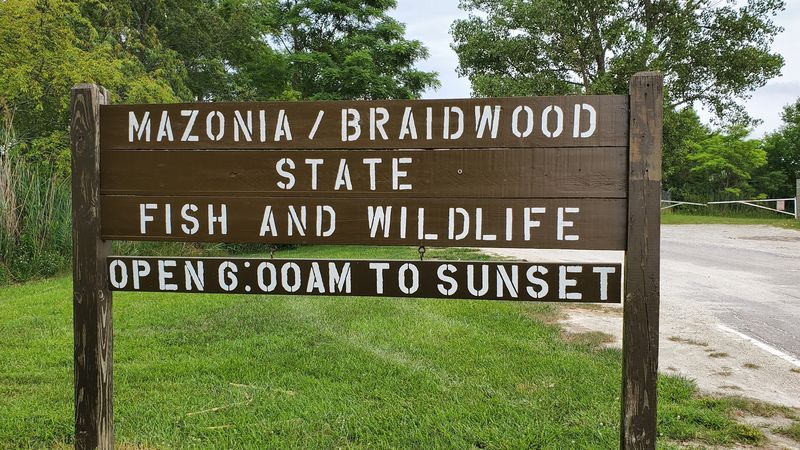
Some of the oldest treasures in Illinois sit right next to a quiet highway intersection. Mazonia-Braidwood State Fish and Wildlife Area is found at IL-53 and E Huston Rd, Braceville, IL 60407, in the United States.
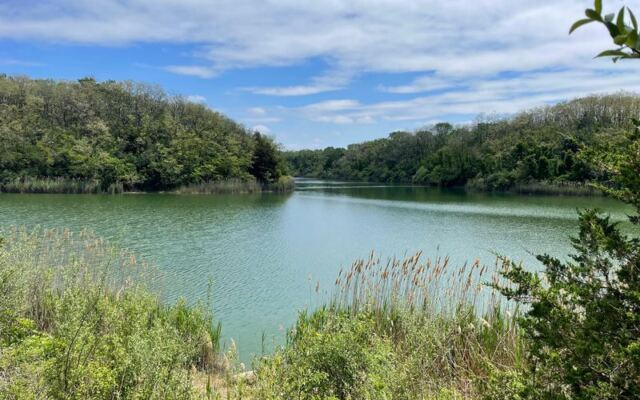
The preserve covers 1,017 acres of lakes and grassland. It is officially listed as a hunting area, but its menu of activities is much longer than that.
Fishing, boating, hiking, and kayaking all happen here. The headliner for many guests, though, is fossil hunting.
The site is managed by the Illinois Department of Natural Resources. Its official park page is the best starting point for current rules and updates before a trip.
Many people call it one of their favorite places in the greater Chicagoland area. The appeal comes from a simple mix of open land, calm water, and the chance to pick up a piece of deep history.
A 4.5-star average from well over a hundred people suggests that mix works for a lot of folks. Not bad for a spot many drivers pass without a second glance.
Why Mazon Creek Rocks Matter
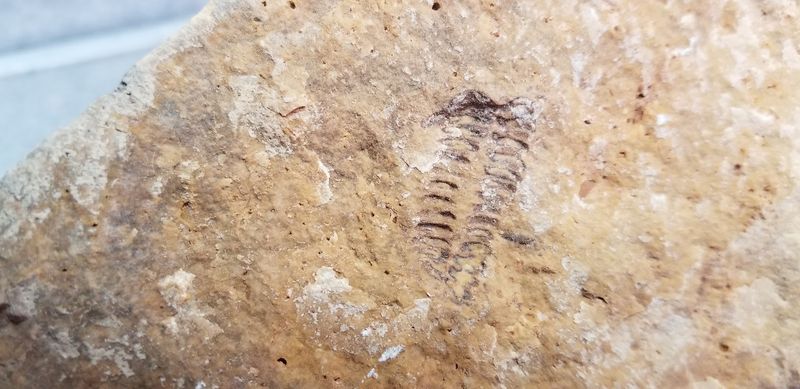
Here is a fun fact to start with: the fossils in this region are roughly 300 million years old. That puts them far, far before the age of dinosaurs.
The famous Mazon Creek fossils usually hide inside rounded stones called concretions. From the outside, they look like ordinary rocks.
Inside, a lucky finder may spot plant fossils or even animal fossils. Guests have reported finding both kinds within the preserve.
One family even turned up a trilobite fossil along the shoreline, along with a few shells. That is a pretty great souvenir from a kayak outing.
Plant fossils are a common target for searchers. Many arrive specifically hoping for fern-like prints tucked inside a concretion.
What makes the hunt special is that the reward is hidden. You collect rocks today and find out what you actually have days or weeks later.
That waiting game is half the charm, and it keeps people coming back long after the first trip.
Permits, Maps, and the Mailbox
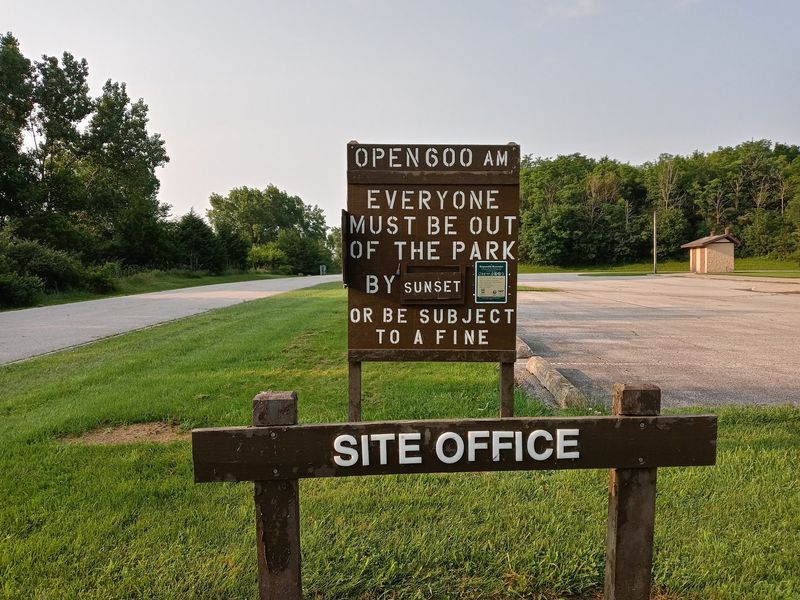
Paperwork comes before the pickaxe. Fossil hunters should stop at the park office first.
Permit forms have been available there in a mailbox. The office area also offers maps that point out recommended collecting locations.
One first-timer found a fossil at a spot listed on those maps, which is encouraging. Others have had a tougher time.
Several guests mention that the permit information seems outdated. Some could not locate the places it described, possibly due to changes or construction in certain areas.
The advice that comes up again and again is simple: do your research before you go. Online books and resources exist for people who want more detail on where to search.
Grabbing a map at the main entrance is also smart. Some collecting areas are hard to find without one.
A few minutes of prep here can save an afternoon of wandering, which brings up the next important topic.
Trails That Test Your Sense of Direction
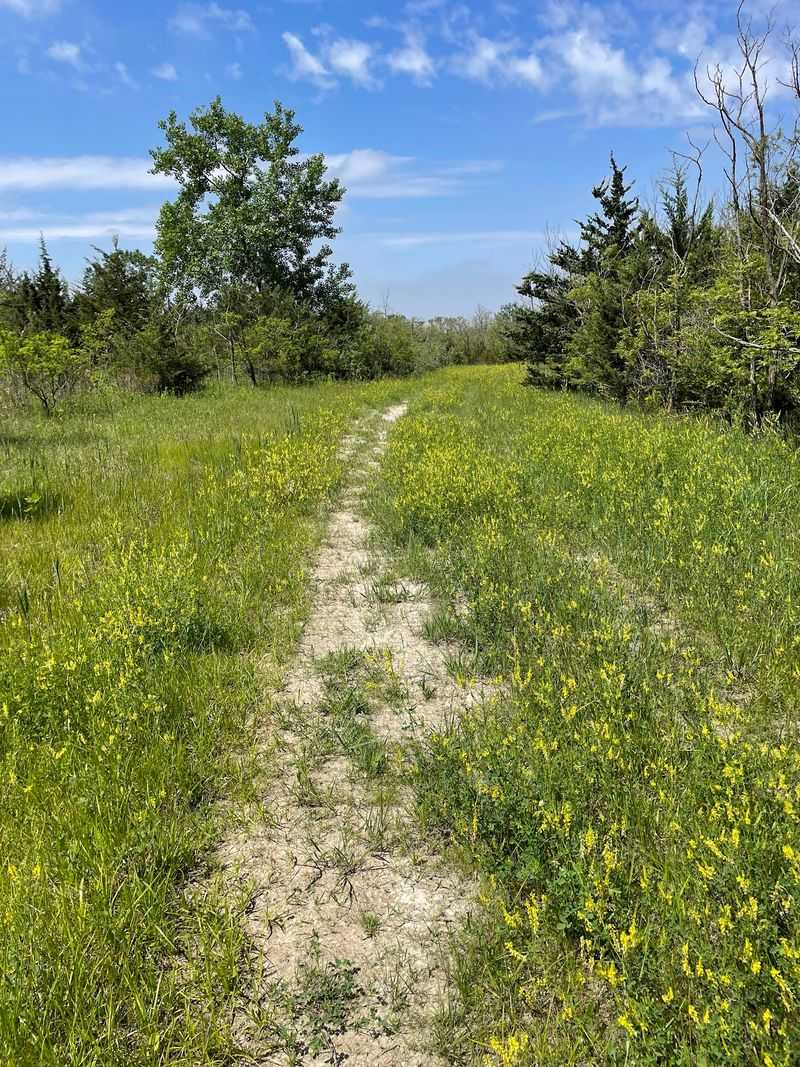
Fair warning: the trails here are not exactly a theme park path. Overgrowth is a common theme.
Some guests ended up bushwhacking for half an hour to reach their goal. Others decided to stay near the water instead of pushing into the brush.
Signage is the biggest wish on many lists. People ask for bigger, clearer signs, especially for fossil hunting areas.
The area around site 3 has been described as especially tricky. Human paths and deer trails can be hard to tell apart there.
One family got turned around for hours before reaching the Braidwood Kankakee boat launch. That story is a strong reminder to treat this as real outdoor terrain.
Bring a charged phone, a downloaded map, and tell someone your plans. Turning back early is always a fine choice.
On the bright side, at least one paved path makes for an easy walk. Not every route requires a machete mindset.
The Freeze-Thaw Secret
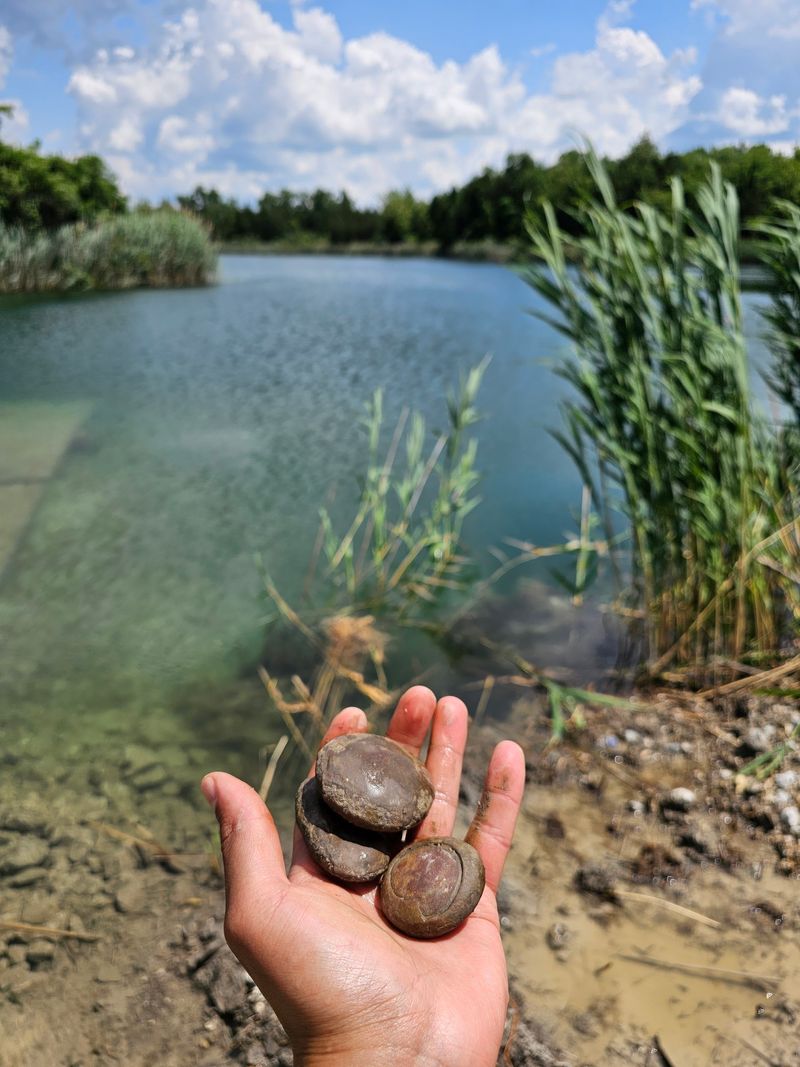
Patience is the most underrated fossil tool. Smashing rocks on site is a classic rookie move.
Experienced families recommend bringing concretions home unopened. From there, the freeze-thaw method does the hard work.
The idea is to freeze the rocks and let them thaw, repeating as needed. Once cracks appear, a gentle tap can split them open.
Breaking them at the park risks ruining whatever is hidden inside. A cracked fern is still cool, but a clean split is much better.
Searchers who stick to the shoreline have come home with nice concretions. They then wait to see what the freezer reveals.
It is a slow process, sometimes taking a while. That delay turns a single day trip into a little at-home mystery.
Kids especially seem to love checking the bucket for new cracks. It stretches the fun far beyond the drive home.
Spring Is Prime Rock Season
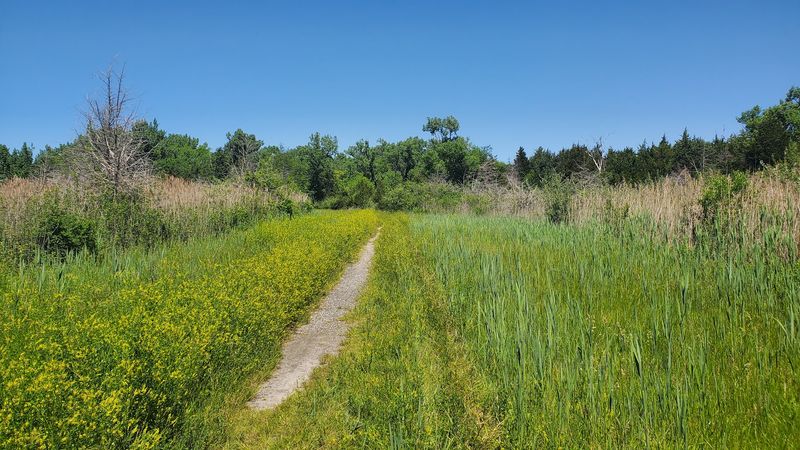
Timing can make or break a fossil hunt. Spring gets the most love from people who know.
With no leaves on the trees, the ground is easier to scan. Overgrowth is also less of a problem early in the season.
One family visited over spring break and found several fossils. They admitted the fossils were hard to find, but the kids had a great time anyway.
Once you know what concretions look like, spotting them gets easier. Many first-timers say they plan to return now that they have a clearer idea.
Warmer months bring their own challenge. Bug spray is a must, according to people who have explored the ponds and trails.
The hours run from 6 AM to 10 PM every day of the week. That gives plenty of room for an early start before the day heats up.
A spring morning, a map, and a bucket sound like a solid plan.
Lakes Made for Anglers
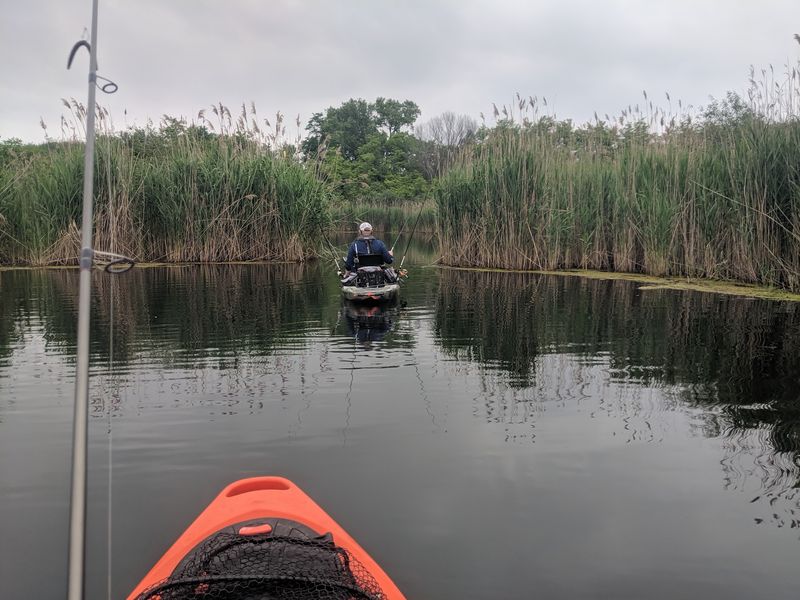
Fishing actually tops the list of things people talk about here. Fossils might be the hook, but the lakes reel people back.
The preserve holds many lakes and ponds. Shoreline access is plentiful, so there is room to find a quiet spot.
Anglers describe the lakes as well stocked. Both experienced fishers and casual weekenders seem to find something to enjoy.
One memorable moment involved a gentleman landing a huge catfish while strangers cheered him on. That kind of scene sums up the friendly mood.
Not every outing ends with a catch, of course. Even the empty-handed tend to say they will be back.
Fossil families often notice the fishing potential too. A rod in the trunk is a smart backup if the rocks are shy.
Check current Illinois fishing rules before casting. Then settle in and let the water do its thing.
Paddles, Ramps, and Open Water
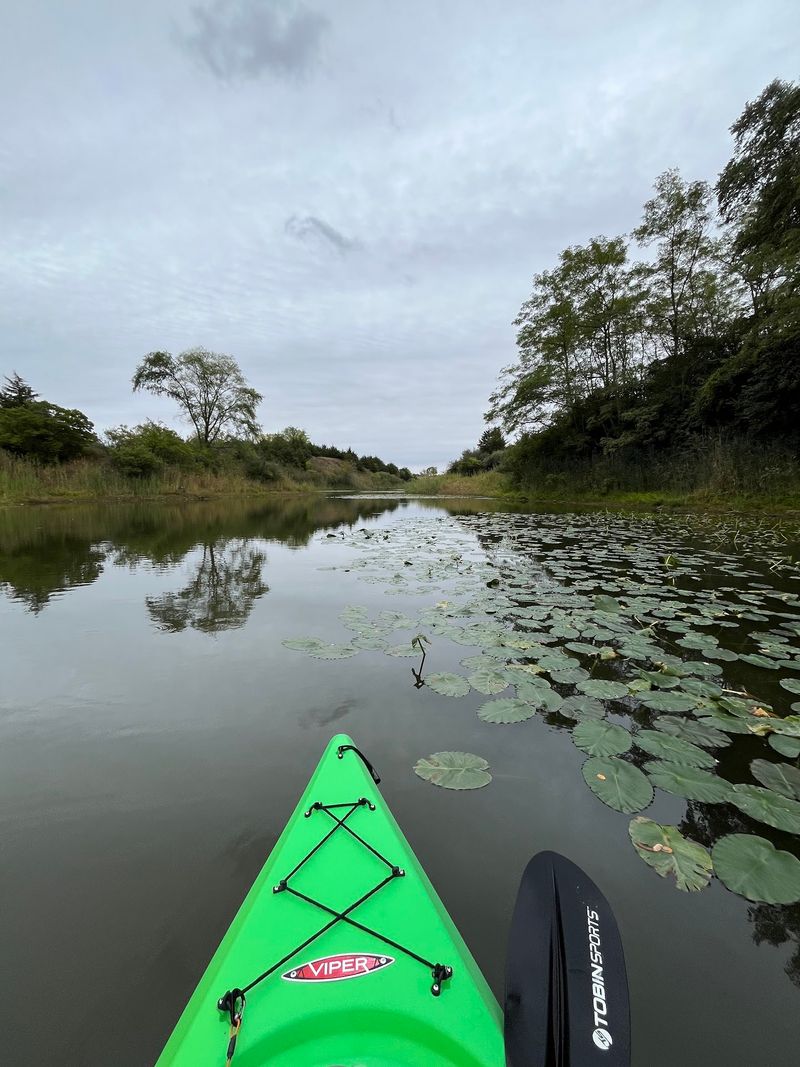
Kayakers have a lot to be happy about. The water options here are generous.
Multiple boat ramps serve the area. One launch gets praise as a great place to put in a kayak.
People describe paddling here as peaceful. Kayak fishing is popular too, with plenty of water to choose from.
Boating in general seems to draw a steady crowd. Even fossil-focused groups notice how many people are out on the water.
Shoreline paddling also has a bonus. The trilobite find mentioned earlier came from a kayak outing along the water’s edge.
The Braidwood Kankakee boat launch is one named spot within the area. A park map helps sort out the rest.
Paddle out, take a slow lap, and keep one eye on the shoreline rocks. You never know what might be waiting.
Quiet Spaces and Yellowstone Vibes
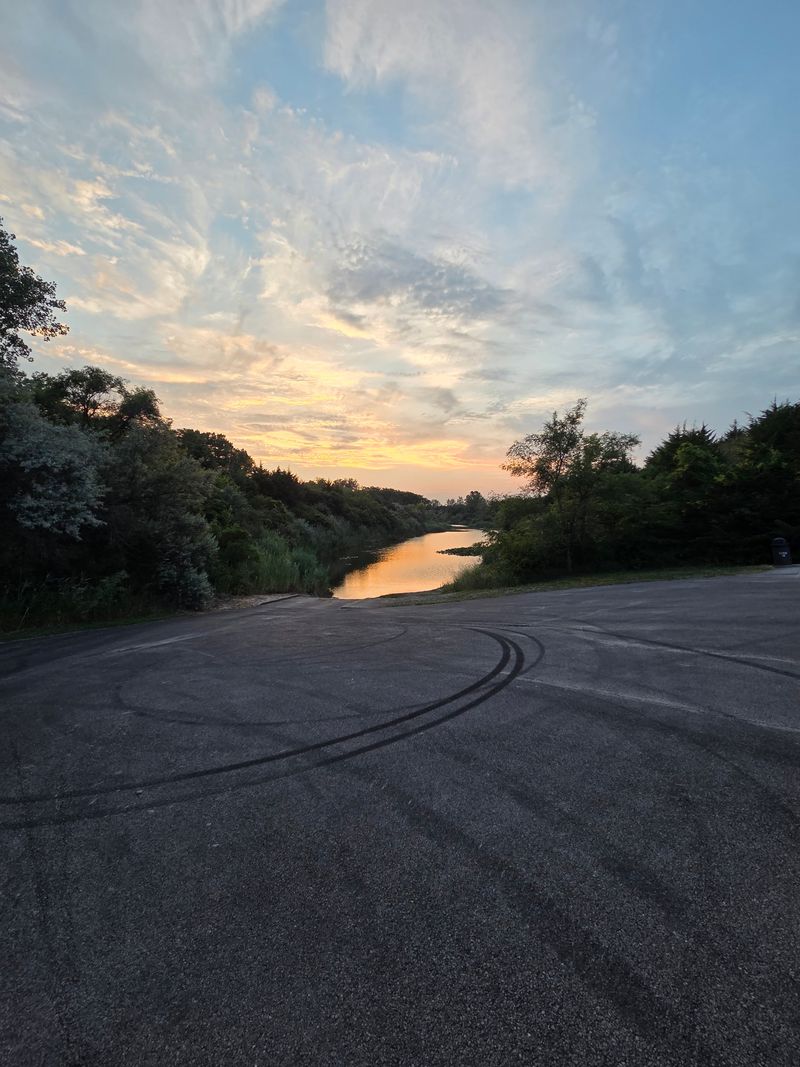
Crowds are not really a thing here. Several people have openly wondered why the place feels so empty.
The lack of crowds is a big selling point. Couples and solo explorers enjoy the open spaces and calm water.
Some areas even give off Yellowstone vibes, according to a few guests. That is an unexpected comparison for a spot in Illinois.
Plenty of places to park make it easy to wander off on your own. The grounds are described as clean and spacious.
Birdwatching and stargazing also come up. The open skies make both activities a natural fit.
Sunrise and sunset get special mention for the views. Even a slow drive through the property counts as a good outing.
For people craving a break from city noise, this is an easy recommendation.
What to Pack for the Hunt
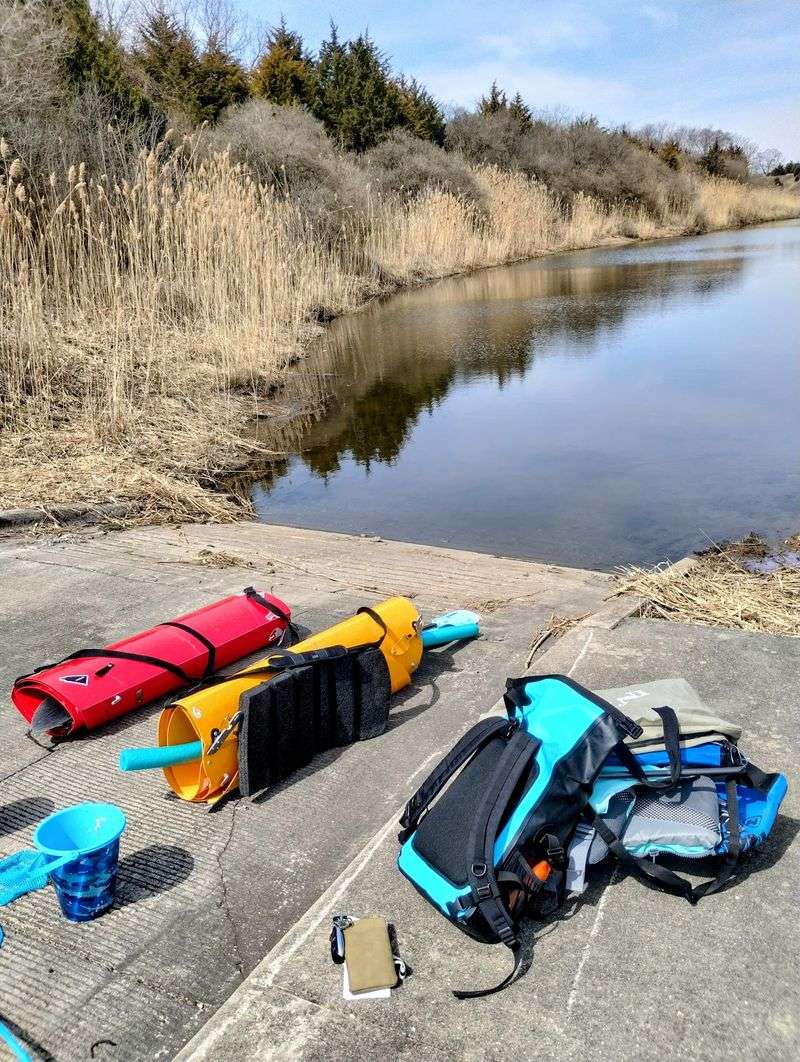
A bucket is the obvious starter item. Beyond that, the packing list deserves some thought.
Off-trail exploration here gets dirty. Expect prickly thorns and rocks pulled from the ground.
Seasoned searchers suggest a solid water source, such as a backpack with a hydration bladder. A first aid kit is wise too.
Field notes help track where each concretion came from. That makes the eventual reveal even more satisfying.
Bug spray earns a spot in the bag, especially in warmer months. Sturdy shoes are a given on rough ground.
Some hikes require real effort, so be ready for a workout. Kids should be dressed for scrapes and mud.
A phone with offline maps rounds out the kit. Smart packing keeps the focus on rocks instead of problems.
A Soft Verdict on This Braceville Escape
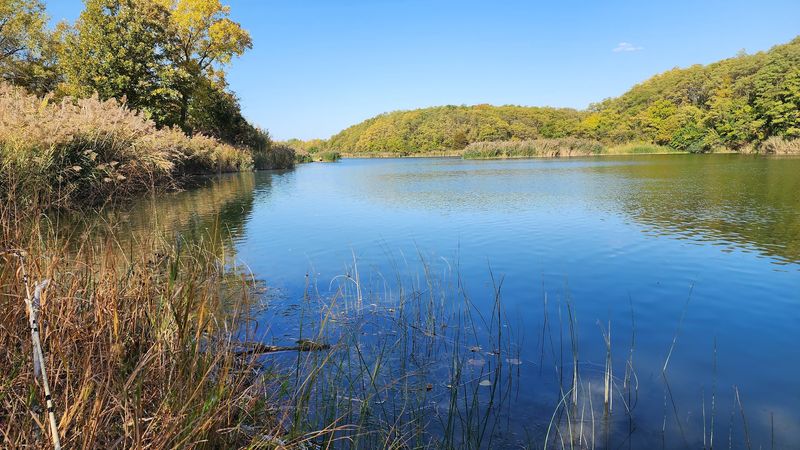
So, is the hunt worth it? For most people, the answer seems to be yes.
The fossils are real, the lakes are full of options, and the crowds are thin. The trails and signs could use work, so plan ahead.
Families get a hands-on science lesson. Anglers and paddlers get calm water and plenty of access.
Hours run daily from 6 AM to 10 PM, which makes it an easy day trip from the Chicago area. Check the Illinois DNR page for any updates before heading out.
Go in spring, grab a map, and carry your concretions home. The freezer will handle the suspense.
Even a day without fossils still offers open skies and quiet shorelines. Sometimes the best find is a peaceful afternoon.
And if a fern prints itself across a cracked rock on your kitchen counter, consider that a 300-million-year-old thank you.
Share this story