Somewhere in the rolling hills of southeastern Ohio, a rhino might be standing closer to your tour vehicle than your own mailbox is to your front door. Giraffes lean down for snacks, camels wander by, and herds of hoofed animals move across open grassland like they own the place, because they kind of do.
This is not a zoo with fences around every corner. It is a huge conservation center where endangered animals get room to roam and people get a front-row seat.
The closest gas station sits miles away, so this adventure takes a little planning. Keep reading to learn which tour gets you closest to the animals, where you can sleep overnight, how parking works, and the smart booking moves that make the whole day run smoothly from the first shuttle ride to the last view.
A Safari Hiding in Cumberland
Africa feels a long way from Ohio, yet a slice of safari life sits right in Muskingum County. The Wilds is located at 14000 International Rd, Cumberland, OH 43732, in the United States.
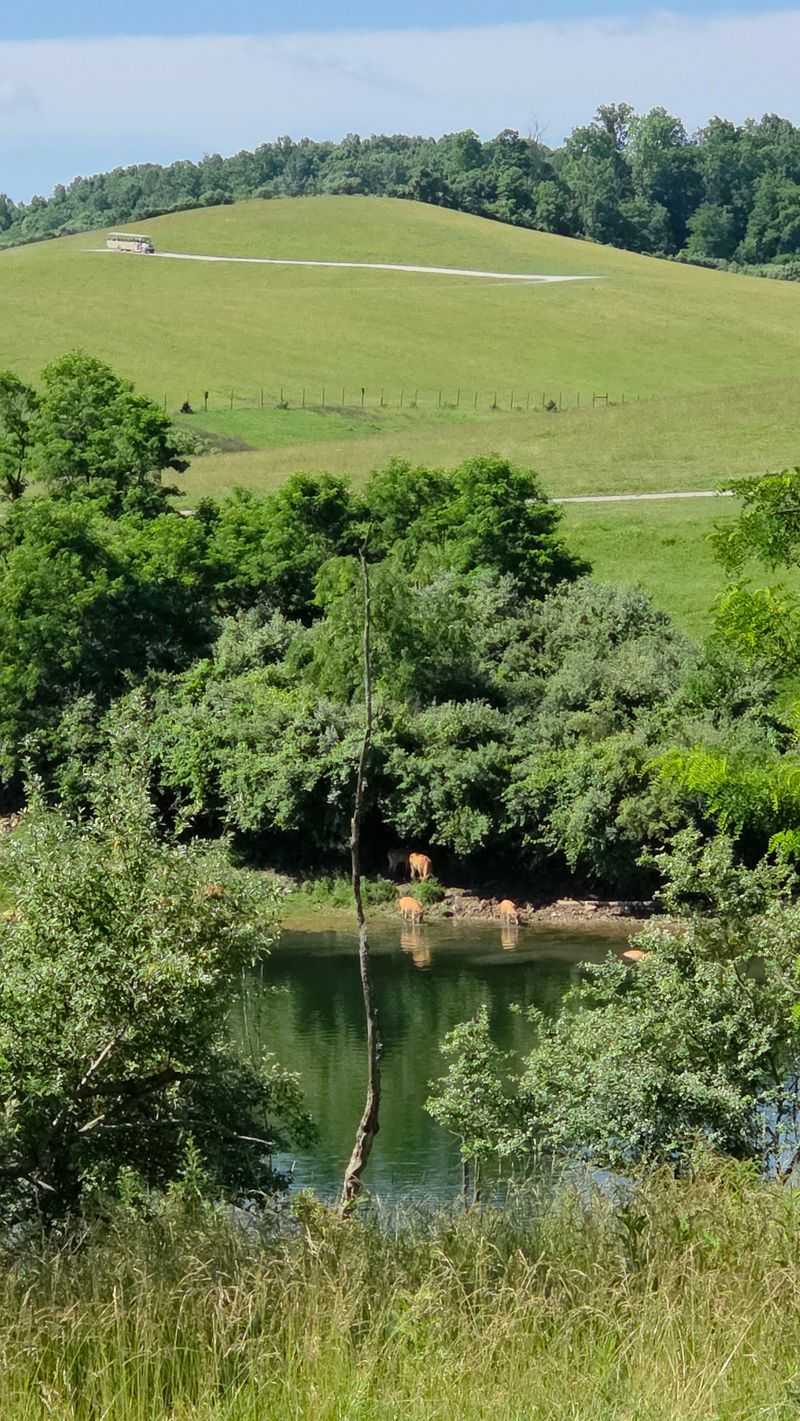
The property is a wildlife and safari park, but it works very differently from a city zoo. Animals live across roughly 10,000 acres of open land, and guests travel through it on guided tours.
Activities go well past animal viewing. The park offers ziplines, horseback animal explorations, fishing, and guided sunset viewing.
Its overall score sits at 4.8 stars across more than 4,000 opinions, which is a strong showing for a place this large. The open air safari and the rhinos come up again and again when people talk about their trips.
The location is rural, and that is part of the appeal. Fields and hills stretch in every direction, giving the animals space and giving guests a break from busy roads.
Plenty of people admit they did not expect something this big in Ohio. The scenery alone convinces many first-timers that they somehow crossed an ocean without a passport, and that surprise sets the tone for everything ahead.
Conservation Behind the Curtain
Fun is the hook, but the real mission runs deeper. The Wilds focuses on caring for endangered species and helping limited populations recover.
Some breeds here have come back from the brink thanks to that work. The park serves as a preserve and a sanctuary for animals that are rare in the wild.
Guides often share the bigger goal during tours. In some cases, the long-term hope is that certain animals could eventually return to wild habitats.
That purpose shapes how the land looks. Wide pastures mean animals spread out naturally instead of standing behind glass.
Some guests notice that parts of the land can look a bit empty at times. Large territory and a modest number of animals in a given area simply go together when space is the priority.
A ticket here does more than buy a fun afternoon. Many people leave feeling good knowing their visit supports conservation efforts, which adds meaning to every animal sighting.
For families, it can also spark great conversations with kids about why some species need extra help. Turns out a day trip can double as a lesson nobody complains about.
Rhinos, Giraffes and Hoofed Neighbors
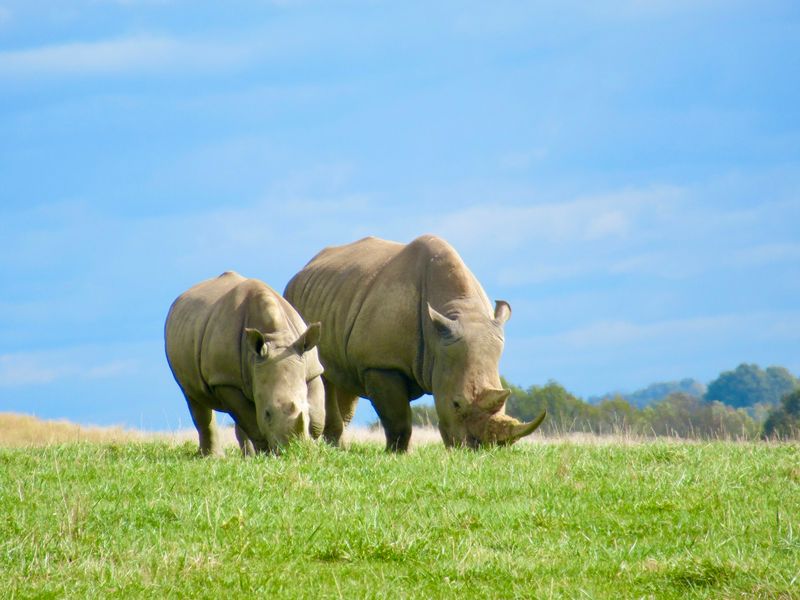
Rhinos steal a lot of the spotlight, and for good reason. They are among the most talked-about animals on the property.
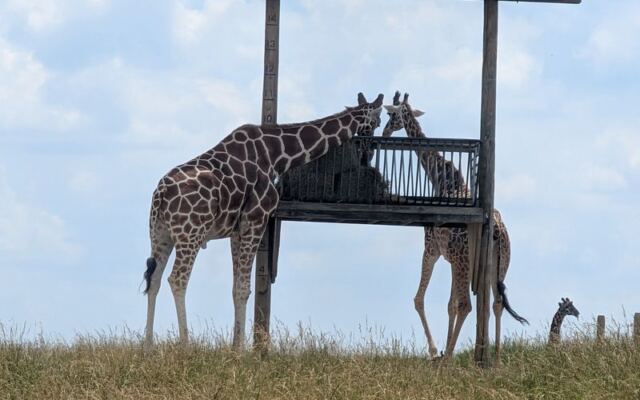
Giraffes are another favorite. On certain tours, guests get to feed them, which tends to become the photo everyone shows friends later.
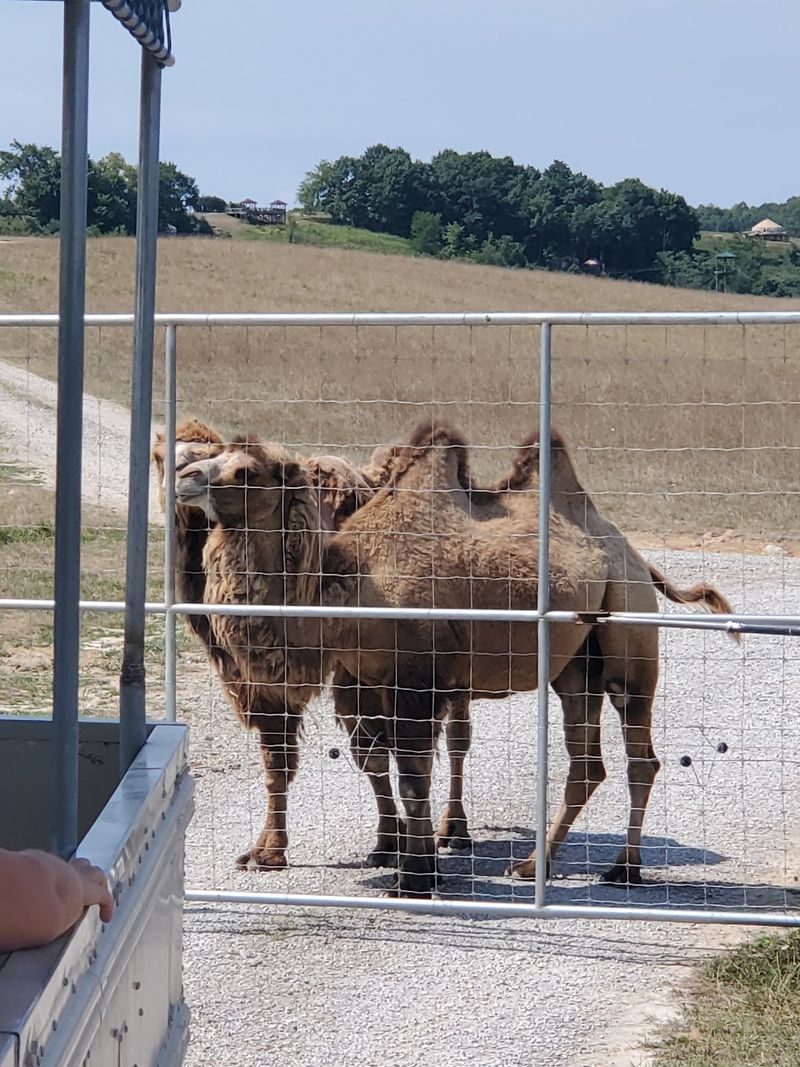
Camels are part of the crew too, and some tours allow petting both camels and rhinos. Ostriches also make regular appearances.
The title of this article promises bison, and the herds out here match that energy. Large hoofed animals cross the grasslands with plenty of room around them.
Guests often describe the animals as active. With so much space, they seem to thrive in their surroundings.
Photographers get a nice bonus as well. Tours pause long enough for people to grab clear shots without rushing.
Because animals move freely, every trip turns out a little different. One group might see a rhino right beside the road, while the next spots a giraffe cluster in the distance.
That unpredictability keeps people coming back. The cast never follows a script, which is exactly the point.
The Open Air Safari Ride
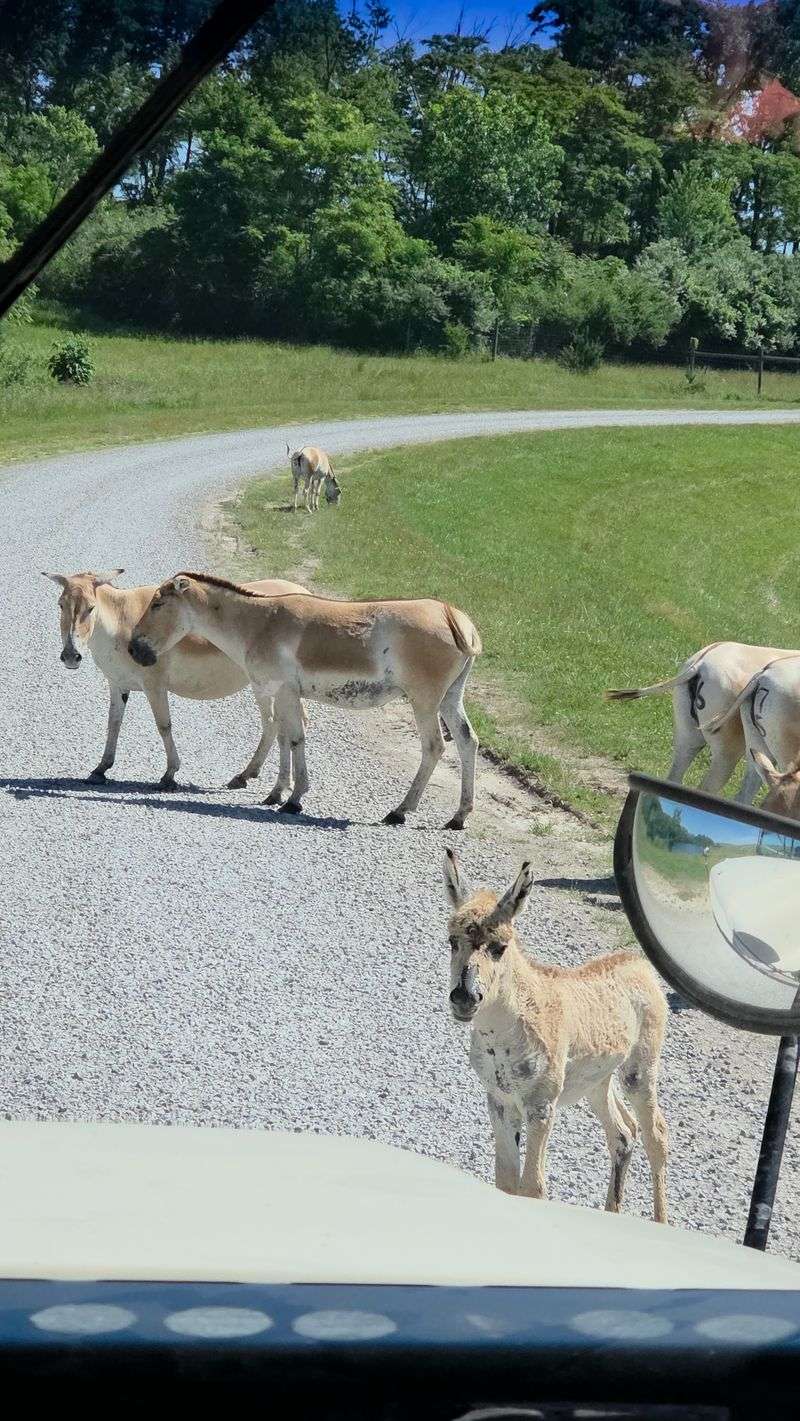
Most first-time guests start with the open air safari. It is the classic way to see the property, and it gets plenty of praise.
The bus stays on the road during this tour. Even so, animals often come up close to the vehicle.
One version runs about two hours. Guides share facts and trivia while the group rolls through the habitats.
Fair warning for anyone hoping for a smooth ride. The bus can be pretty bumpy, so expect to bounce around a bit.
There is also a stop partway through where guests step off for refreshments. That stop involves a bit of a walk.
Families with young kids tend to love this option. Children stay excited throughout, and grandparents seem just as thrilled.
The quality of narration depends on the guide. Many guides earn praise for being friendly, funny, and full of knowledge, though a quieter guide can make it harder to catch every fact.
For a first visit, this tour gives a solid overview of the land. It also tends to leave people wanting a closer look next time.
Wild Side Tour Goes Off Road
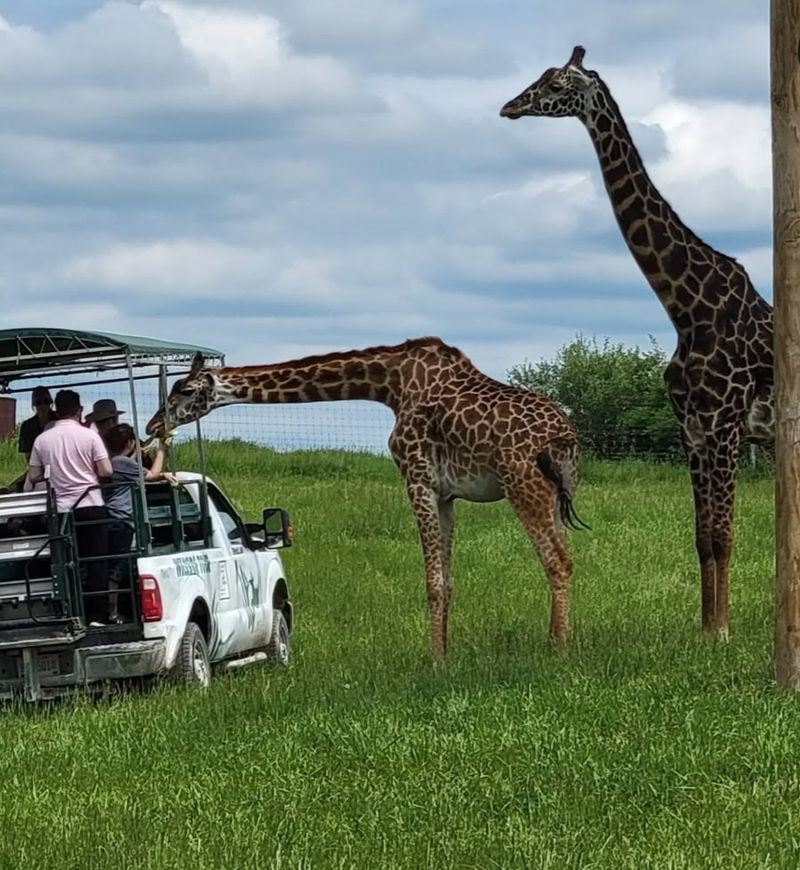
Ask repeat guests for one tip, and many will say the same thing. Pay extra for the Wild Side Tour.
This smaller truck tour leaves the main road. The guide drives right up to animals, parks, talks about them, and gives time to watch up close.
That access is the big difference from the bus. Guests have petted camels and rhinos and fed giraffes on this trip.
Several people say the morning version is the best of all. Animals tend to be out and about, and the timing fits nicely before a second activity.
Groups are more personal too. Guides have room to answer questions and connect with everyone onboard.
Some guests have even returned specifically to upgrade from the bus. Once they hear about the off-road option, they want the full experience.
It costs more than the standard ride, but most people feel the closeness justifies it. Seeing a rhino at arm’s length tends to make the extra dollars feel small.
For animal lovers who want details, this tour is the headline act. It is the wild side, after all.
Guides Who Make the Trip
A great guide can turn a ride into a story. At The Wilds, staff members often earn as much praise as the animals.
Guides are frequently called kind, courteous, and engaging. They stop often to share fun facts and keep everyone involved.
Many seem to truly love working there. That enthusiasm shows up in how they talk about the animals and the mission.
Friendliness reaches beyond tour guides too. People mention helpful staff from the parking lot all the way to the animal management team.
Not every ride lands perfectly, though. A guide who is hard to hear can turn the trip into more of a viewing than a lesson.
That variation is worth knowing ahead of time. Sitting closer to the front and asking questions can help.
Still, the overall pattern leans strongly positive. Repeat guests say tours stay great visit after visit because the team knows its stuff.
Animals may be the stars, but the people behind the wheel are the ones handing out the backstage passes.
Zip Lines, Horses and Sunset Views
Safari buses are only the beginning. The Wilds packs in several other ways to explore the land.
Zip lining ranks high among guest interests. It gives a totally different view of the property from above.
Horseback animal explorations are another option. Riders can take in the habitats from the saddle instead of a vehicle seat.
Fishing is available too, which suits anyone who likes a slower pace. It adds a quiet outdoor activity to a wildlife-focused trip.
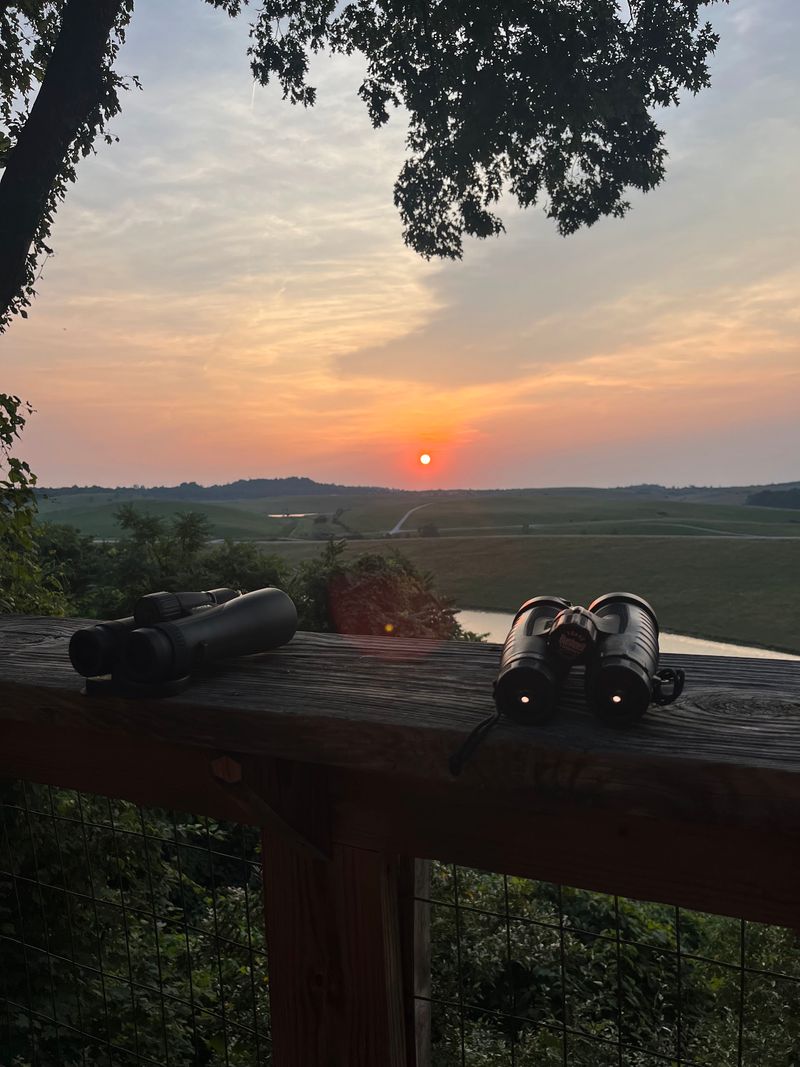
Guided sunset viewing rounds out the list. It gives the day a calm finish after a busy morning of tours.
Some guests plan return trips just for these extras. A night of camping plus a safari often leads to plans for a horseback ride and zipline next time.
Mixing activities works well for groups with different interests. Thrill seekers can zip while others enjoy a gentler outing.
Checking the website for current offerings is smart before booking. That way, nobody shows up hoping to saddle up on a day when horses are off duty.
Sleeping in a Yurt
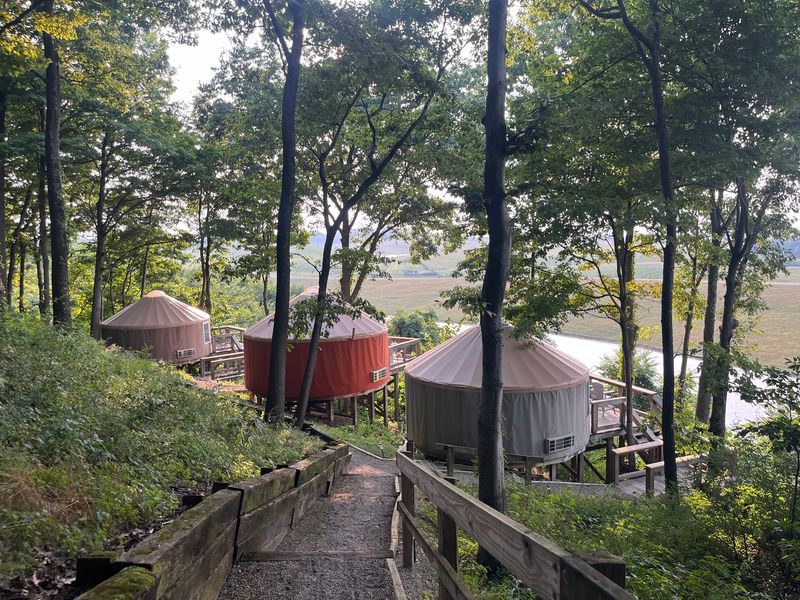
Yurts come up more than almost anything else when people talk about overnight stays here. They are a big part of the experience.
Guests describe them as clean and comfortable with wide views of the land. They have nearly everything needed for the night.
One small tip keeps showing up. Bring a toothbrush, since that is about the only thing not provided.
When booking, guests choose an easy, moderate, or difficult walking path. The difficult route involves gravel steps, a downward slope, and a climb back up.
Those who pick the difficult path often say the views are far better. Anyone comfortable with steps may find it worth the effort.
Packages can include dinner and breakfast. Dinner has a menu with several entrees and table service, and breakfast is a hot buffet.
Staff, including concierges, often go out of their way to make stays special. Couples especially rave about it as a memorable getaway.
The one catch is cost, as yurts can be pricey. Still, waking up near the animals makes the splurge feel earned for many.
Campsites and Lakeside Lodging
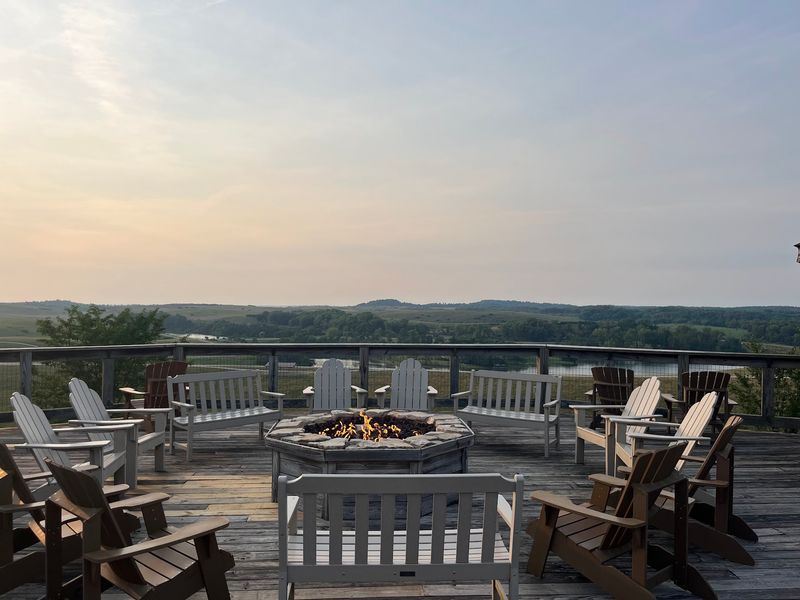
Not every overnight needs a yurt budget. The Wilds also offers camping and other lodging options.
Hellbender is one campsite option. Guests describe it as well kept, with staff who stay respectful and considerate.
During one flooding event, campsite staff made sure guests stayed safe. That kind of attention earns trust.
Value can be impressive here. One pairing of a night stay and a three-hour safari came out to about 60 dollars per person.
Straker Lake is another lodging spot. Guests who stayed there call it worth it.
Overnight stays get a strong push from people who have done them. Some even say not to visit for just a day.
Staying close means easy access to morning tours. The Wild Side in the morning is a favorite, so sleeping on-site can make that plan simple.
Groups like friends on a girls weekend find camping a fun fit. It turns a safari day into a full mini vacation without leaving Ohio.
Summer Camp for Young Explorers
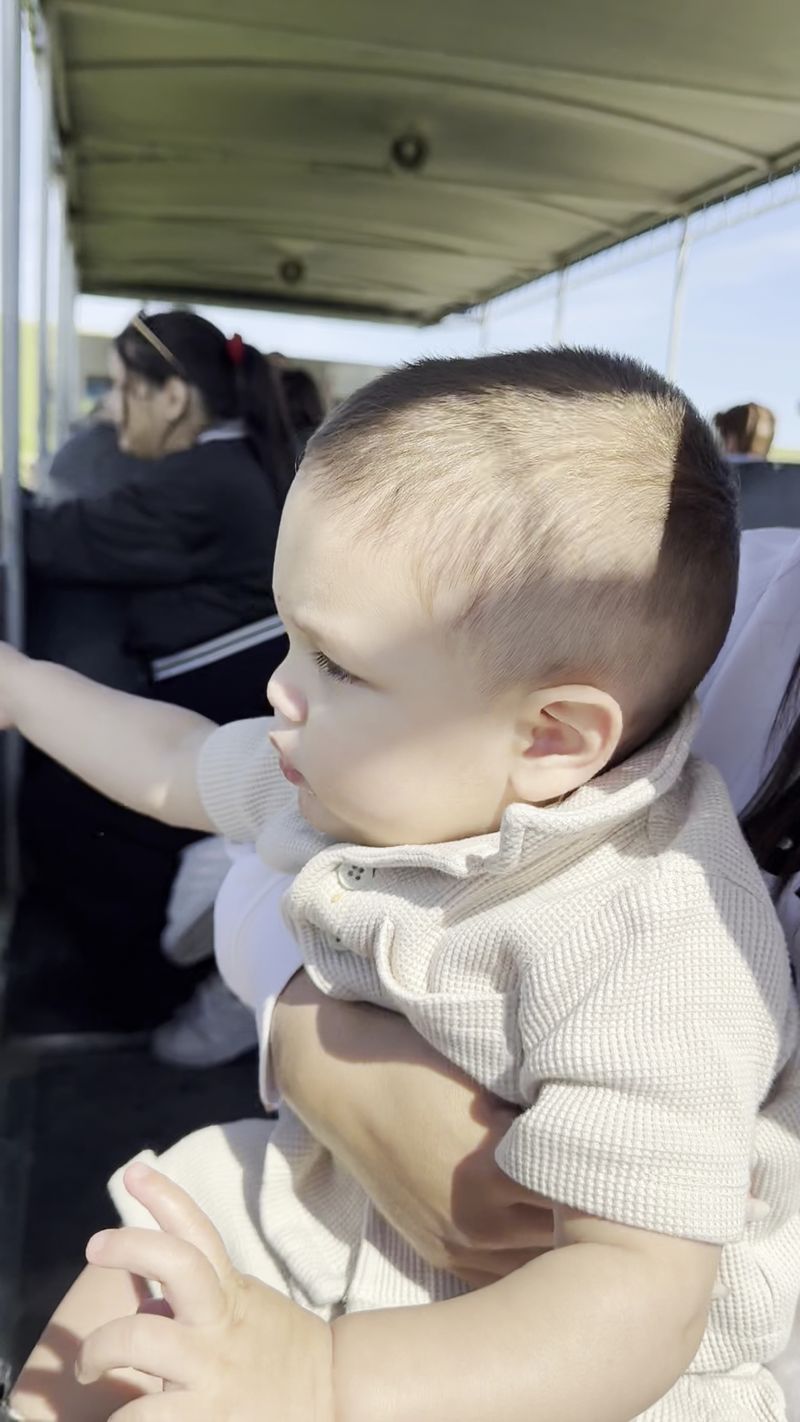
Kids do not have to limit themselves to a single afternoon here. The Wilds runs summer camps for young animal fans.
One camp format lasts three nights and four days. That gives children plenty of time to learn and explore.
Parents speak highly of the counselors. They do a fantastic job with campers and help ease any worries families have.
Children often come home thrilled. A camp week can build on what they saw during a family safari.
The setting suits curious minds well. Endangered animals, open land, and conservation lessons all come together in one place.
Families who visit several times sometimes add camp as the next step. It turns a favorite outing into a deeper experience.
For younger kids not ready for camp, the safari tours still deliver. Little ones stay excited the entire ride.
Either way, The Wilds has a knack for creating future wildlife lovers. A rhino sighting at age seven can stick around for a lifetime.
Parking, Shuttles and Booking Smarts
A little planning goes a long way at a place this remote. Parking is the first thing to sort out.
Guests can park at the bottom of the hill and ride a shuttle up for 9 dollars. Shuttles run often, and the trip is quick.
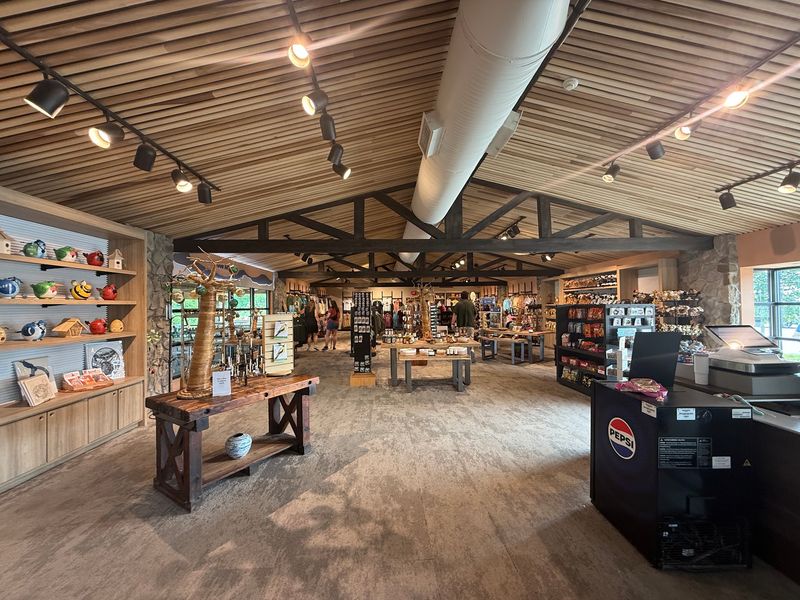
Parking at the top costs 30 dollars. That lot sits where tours meet and where the cafe and gift shop are located.
The facility is cashless. Bring a card instead of bills.
Booking tours at least four hours ahead helps avoid problems. Weekdays tend to be less crowded than weekends.
Fuel matters too. The closest gas station is about 17 miles away, so filling up beforehand is wise.
Anyone with accessibility needs should mention it when booking. The refreshment stop on the safari involves some walking, though a wheelchair has been available.
Hours and current prices can change by season, so checking thewilds.org before heading out is smart. A few minutes online saves a lot of guesswork later.
Worth the Drive to the Hills
Some places sound better on paper than in person. The Wilds tends to do the opposite.
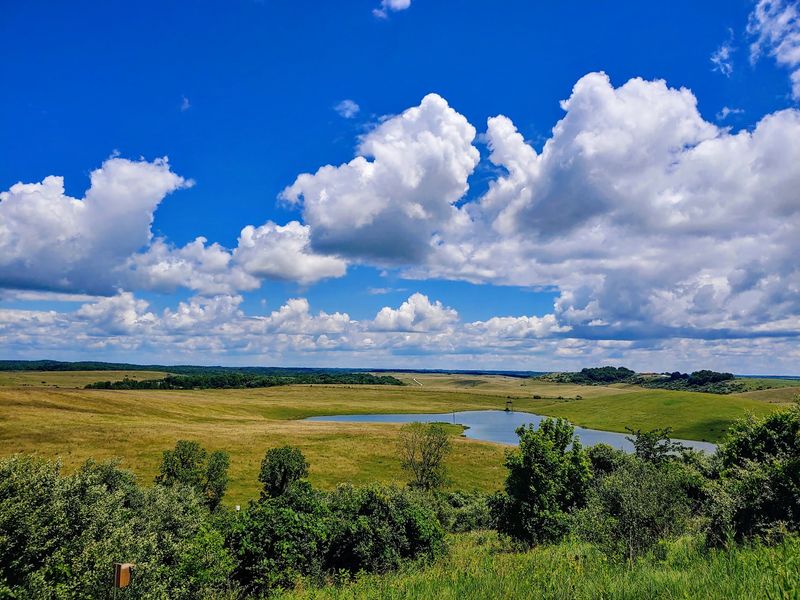
Guests regularly say photos fail to capture how stunning the property is. Many say they did not feel like they were in Ohio at all.
The drive itself adds to the trip. Coming in from Zanesville takes about 30 minutes through scenic countryside.
Day trippers find plenty to do in a few hours. Overnight guests get even more, with yurts, campsites, and morning tours.
It suits couples looking for a peaceful escape. It also works for families, friend groups, and anyone who likes animals.
The pairing of fun and purpose is what makes it stand out. Every ticket supports work to protect species that need help.
Small hiccups can happen, like a bumpy bus or a quiet guide. Most people still call it worth every penny.
For a safari that skips the long flight, Cumberland delivers. Pack a card, fill the tank, and let the bison do the rest.
Share this story