Most people in the East Valley drive past a quiet rail yard without a second thought. That is a shame, because parked behind one simple doorway sits a collection of locomotives, cabooses, and luxury passenger cars that once crossed the Southwest.
Kids can climb into the cab of a real steam engine. Grandparents can walk the aisle of the kind of streamlined car that carried families across the country before jets took over.
Parents get a calm weekend outing that costs less than most movie trips. The whole operation is run by volunteers who restore these giants one bolt at a time, and they love to explain how everything worked.
Keep reading to find out where this rail yard hides, which machines deserve your time, and how to plan a visit that suits every generation in the car.
A Rail Yard Tucked Into Chandler
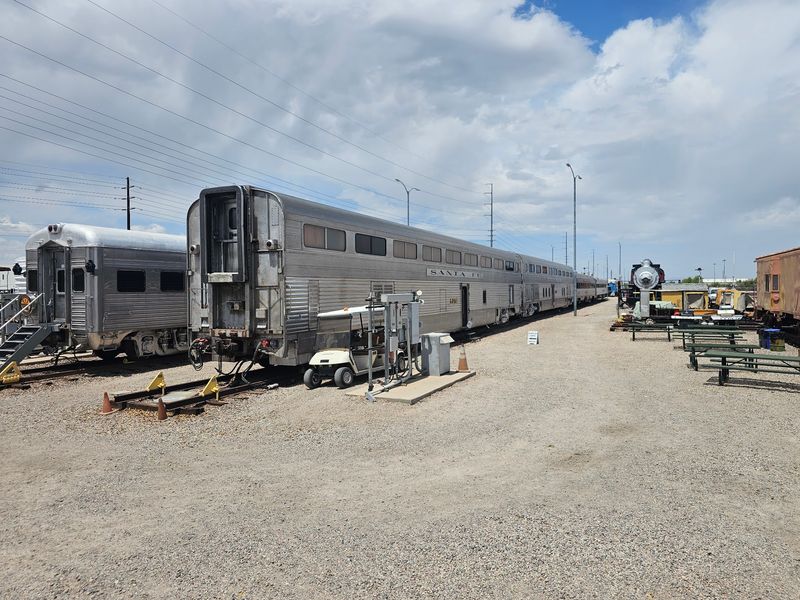
The secret is out: the place is called the Arizona Railway Museum, and it sits at 330 E Ryan Rd, Chandler, AZ 85286. That puts it in the southeast Phoenix area of Arizona, an easy drive for most families across the Valley.
Finding the front door is almost too simple. There is only one doorway from the parking lot, so nobody wanders off course before the fun begins.
From the outside, the grounds look modest. A fence, a lot, and some long shapes in the yard do not shout for attention.
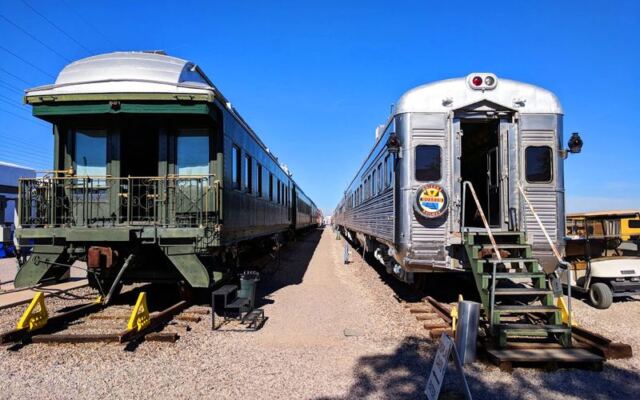
Behind that plain first impression, though, sits a historic museum dedicated to the railways of the Southwest. The collection includes antique locomotives, rail artifacts, and a lineup of antique rail cars that span many decades of travel and work.
Guests first pass through an indoor exhibit space, where volunteers greet arrivals and point the way. After that, the path leads out into the yard, where the real heavyweights wait on the tracks.
Many people call it a hidden find for good reason. It does not look like much from the street, yet it holds dozens of pieces of railroad history.
The best way to understand it is to start with the people who keep it running.
Volunteers Who Keep History On Track
Every single person working here is a volunteer. No paid staff, no corporate sponsor running the show, just people with a passion for railroad history.
The museum is a nonprofit. Admission fees and donations go entirely toward restoration and preservation, which explains how so many old cars stay in viewable condition.
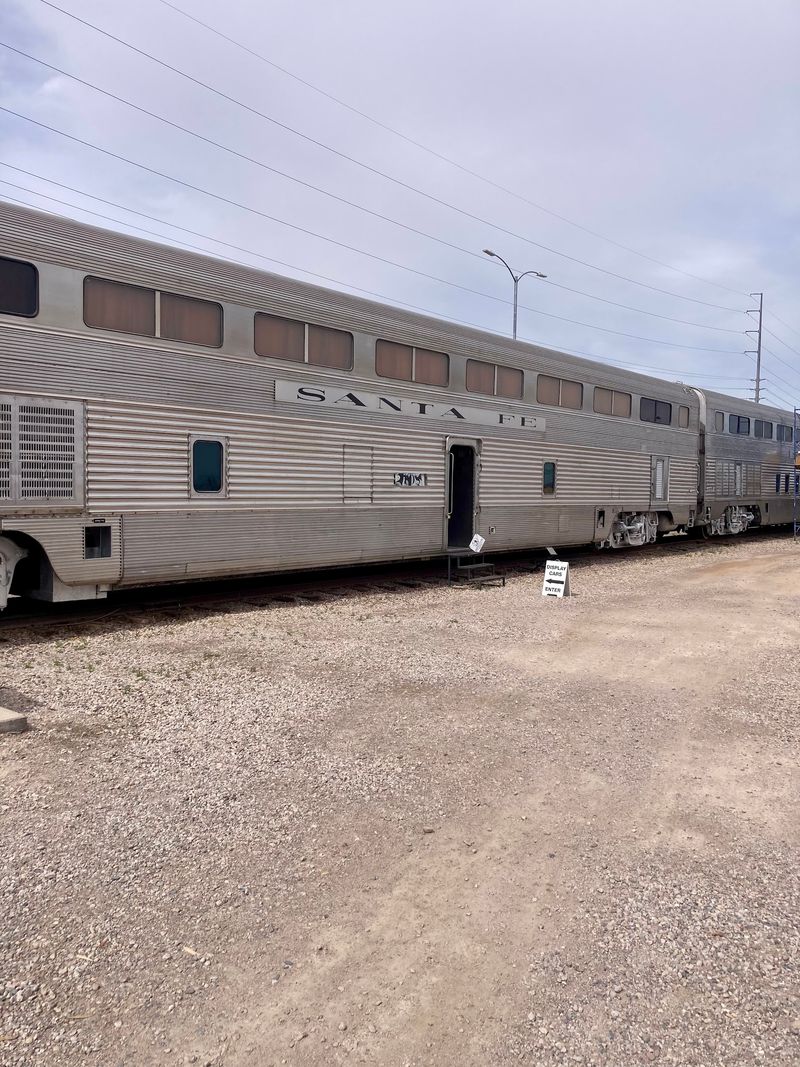
Restoration is slow and steady work. Classic Santa Fe streamline passenger cars have seen major refurbishing over the last decade, and returning guests notice the progress.
Docents are a big part of the experience. Friendly guides on the floor share details about the train cars and explain how each piece of equipment functioned in daily use.
Several volunteers have earned loyal fans by name, which says a lot about how much effort they put into each conversation. One of them has served as curator and enjoys talking shop with newcomers.
That all-volunteer setup does come with a tradeoff. Hours are limited, so a spur-of-the-moment drop-in on a Tuesday will not work.
Still, the payoff is a museum built on genuine care rather than glossy marketing. Every dollar at the door helps another car get closer to its former glory, and that is a ticket worth punching.
Aisles You Can Actually Walk Through
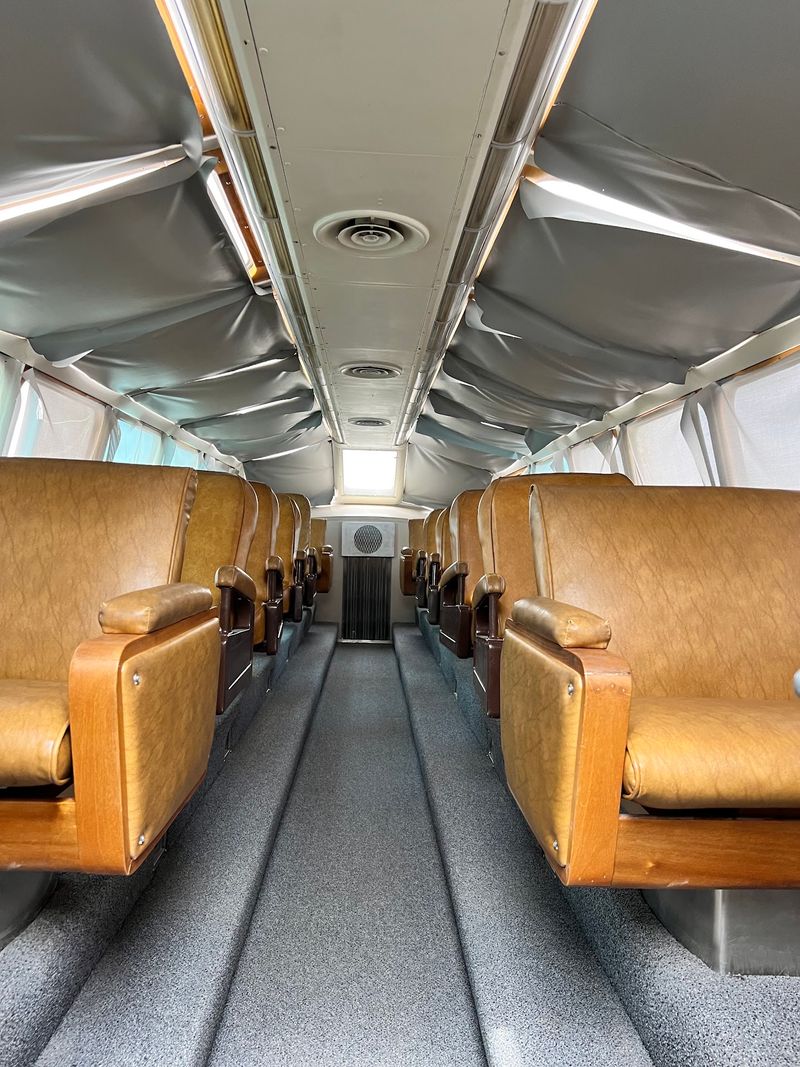
Here is the headline feature: you do not just look at these trains, you walk through them. Several long passenger cars are open to wander from end to end.
The variety is impressive. Cars range from the early 1900s to more modern equipment, with heavyweight, streamlined, and hi-level designs all represented.
Old wood slat cars show how simple early rail travel could be. Little ones tend to love poking into the different rooms and compartments inside them.
Glass dome cars add a different chapter. These were built so riders could watch the scenery roll by from an upper level, and they spark plenty of questions from kids and adults alike.
Kitchens are part of the tour too. Seeing the cramped staff spaces makes it clear how much work went into feeding passengers on long trips.
The scale of everything catches people off guard. Compared to modern air travel, these cars feel like rolling hotels, built for days on the move.
A word of caution for anyone uneasy in tight spaces. Some hallways are quite narrow, which is simply how these cars were designed.
Twelve cars are typically open on regular days, and that is plenty to fill an unhurried visit.
Climbing Into The Steam Locomotive Cab
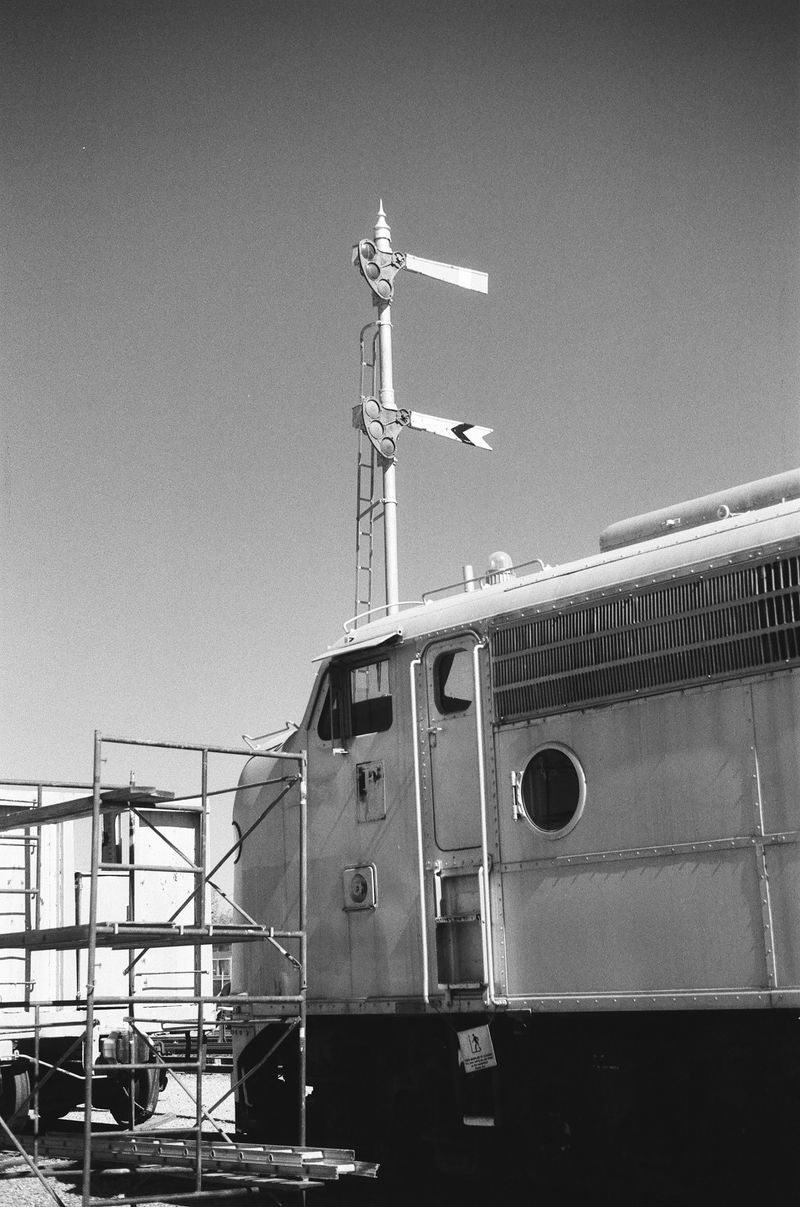
Few things beat standing where an engineer once stood. At this museum, guests can get into the cab of the steam locomotive, a rare chance at most collections.
The star of the steam side is a Southern Pacific engine. Rail fans single it out as one of the highlights of the whole yard.
For kids raised on cartoon trains, this is the real thing. The controls, the gauges, and the size of the machine bring the stories to life.
Grandparents often have their own connection here. Some remember the tail end of the steam era or heard stories from older relatives who rode behind these engines.
That shared moment is the magic. One generation explains, the other asks questions, and both walk away knowing a little more.
Size is the other surprise. Toy trains on a living room floor do not prepare anyone for how huge a full locomotive looks up close.
Take a moment to step back and see the whole engine from the ground before climbing aboard. It helps everyone understand just how much machine it took to haul freight and passengers across the desert.
Full steam ahead, then, to the diesel crowd waiting nearby.
Diesels, Cabooses, And Rare Rolling Stock
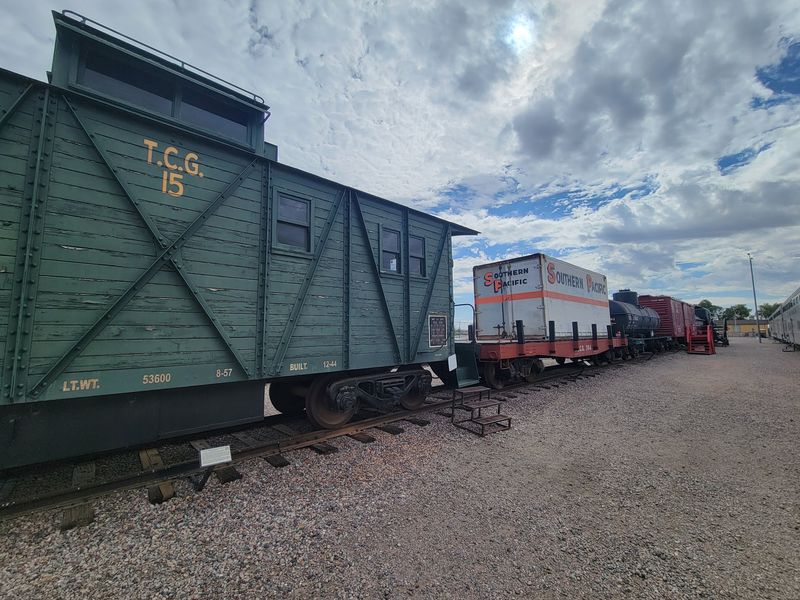
Steam gets the romance, but the diesel lineup deserves equal billing. The yard holds a number of rare machines that rarely show up anywhere else.
The Baldwin diesel is a frequent must-see recommendation among rail enthusiasts. An EMD E-type also stands on display, a model many collectors know from toy and model train sets.
Arizona history shows up in the Magma Arizona Railroad diesel engine. It ties the collection directly to the rails that once served the state.
Caboose lovers have a treat waiting too. A D&RGW caboose, from the Denver and Rio Grande Western line, adds color to the lineup.
Estimates put the total collection somewhere around 50 to 70 pieces of equipment. Not all of them are open inside on a typical day, but much of the rolling stock can be viewed from the outside.
The layout makes it easy to move from one piece to the next. Signs and displays help explain what each machine did and where it ran.
For model railroad hobbyists in the family, this section is pure catch-up time with full-size versions of their favorites. Bring a camera and a little patience for the one relative who wants to read every sign.
World War II Crane Trains
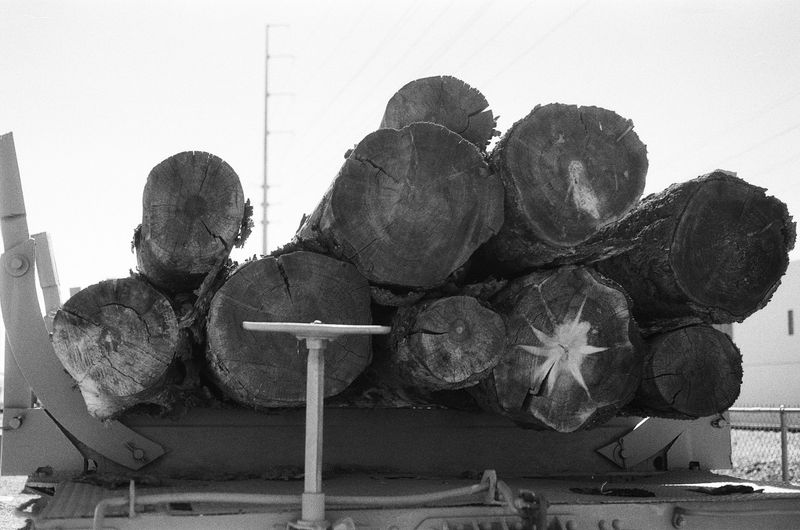
Not every train here carried passengers. Some of the most eye-catching pieces in the yard are U.S. military crane trains from the World War II era.
These machines were built for heavy lifting along the rails. Their booms and hooks make them look completely different from anything else in the collection.
Children who love construction equipment tend to gravitate here first. It is a crane and a train at the same time, which is a pretty hard combo to beat.
Adults with an interest in military history find plenty to discuss as well. The cranes offer a glimpse at how the railroads supported large-scale work during wartime.
Many guests point to these cranes as the coolest-looking things on the property. Some even joke about wanting to take one home, though the gift shop will have to do instead.
Spend a few minutes walking around them from different angles. The design details show how engineers solved real problems with steel and gears.
It is a fine spot for a family conversation about how things get built and moved. Few museums offer such a clear look at the working side of the railroad, the part that kept the whole system lifting its weight.
Indoor Exhibits And Miniature Worlds
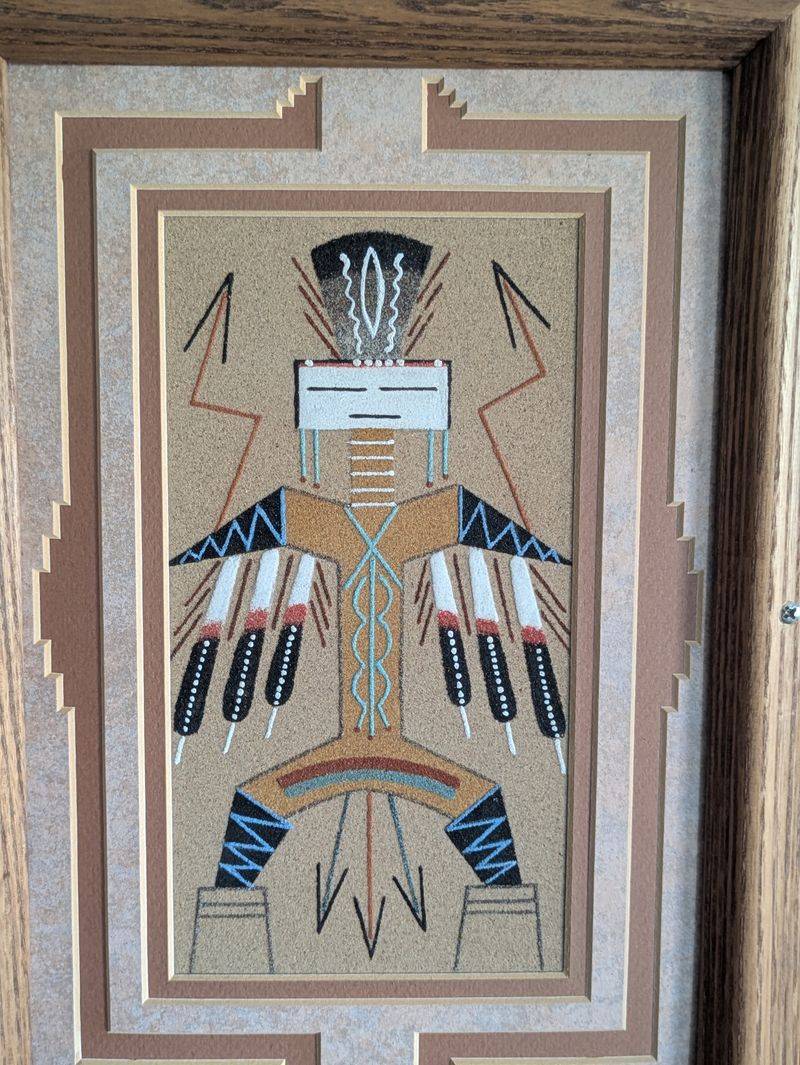
Before the yard comes the warm-up act. The indoor museum gives guests a chance to get oriented with exhibits and rail artifacts.
Displays are informative and well organized. They cover pieces of Southwest railroad history and set the stage for what waits outside.
Interactive miniatures are part of the mix. Smaller kids especially enjoy these, and they give everyone a sense of how a full rail system fits together.
Local ties come through as well. Families often discover how the railroad connects to Chandler and to Arizona as a whole, which makes the history feel close to home.
A gift shop sits in the mix, and prices there are reasonable. It is an easy place to pick up a small keepsake without blowing the weekend budget.
The indoor space is also a smart place to regroup. Air conditioning inside offers a welcome break between trips out to the hot yard.
Ask a docent a question or two while you are here. The volunteers know the collection well and can point you toward the pieces that match your family’s interests.
Consider it the boarding area before the main journey begins.
Something For Grandpa, Something For The Toddler
Plenty of family outings feel like adults are just along for the ride. This one flips that idea on its head.
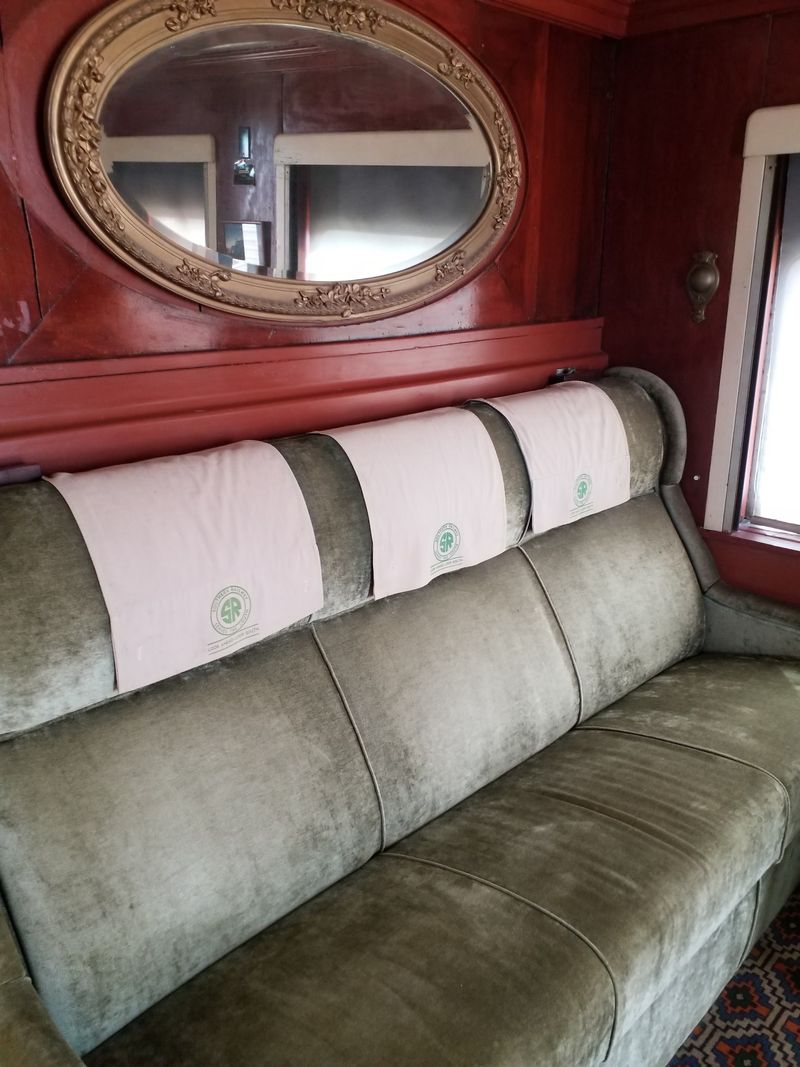
For older guests, the passenger cars bring back memories of an earlier era of long-distance travel. Former railroad workers find plenty to admire, and couples often linger over the details of luxury travel.
Parents who are quiet rail fans get to share their hobby. Some worry their kids will tune out the facts, only to find the children fascinated by the history and layout.
Toddlers have their own agenda. Running up and down the aisles and spotting big trains keeps two- and four-year-olds busy and happy.
School-age kids enjoy the old wood slat cars and the many rooms to explore. Older siblings tend to connect with the scale and engineering.
Being able to touch real history makes a difference for every age. Screens cannot match the physical experience of standing inside an old car.
Families with a child on the autism spectrum have also found a welcoming place here, with friendly staff and repeat visits year after year.
In short, nobody has to fake their enthusiasm. Each generation finds its own reason to climb aboard.
The Party Caboose
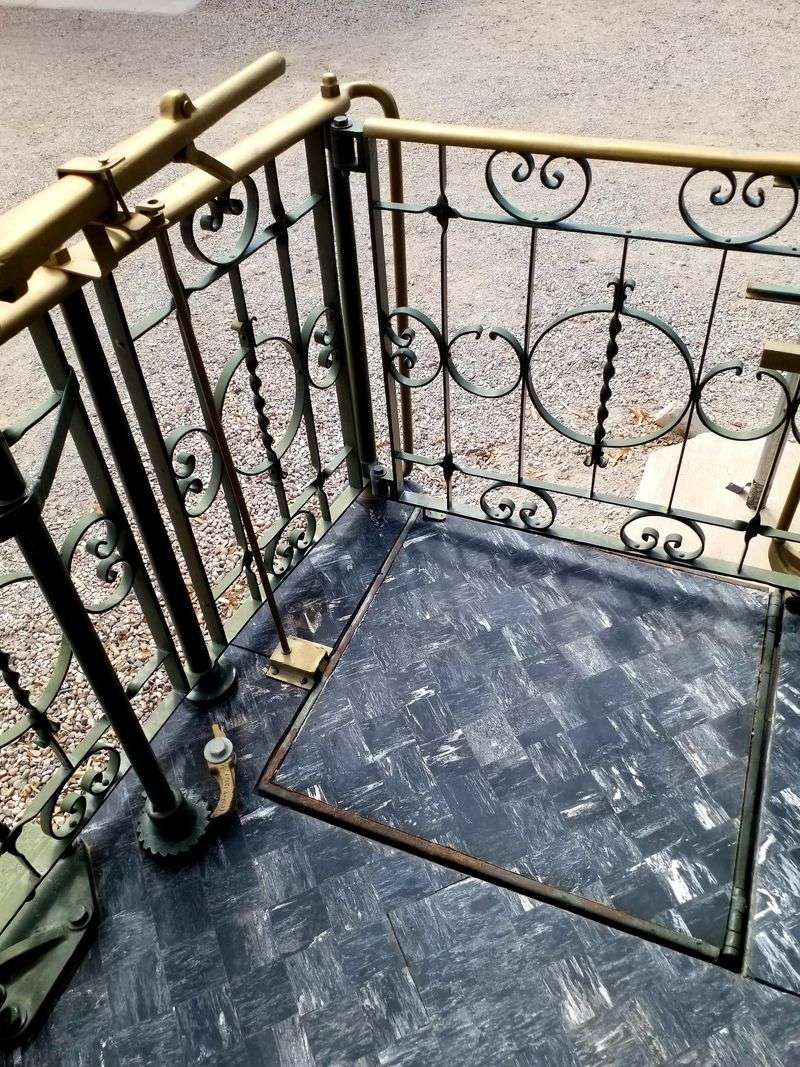
Birthday parties in a real caboose sound like a kid’s dream, and here it actually happens. The museum offers a Party Caboose for celebrations.
Rental currently runs $100. That covers a party for a small group, with roughly six kids being a common size.
The caboose is air conditioned. In an Arizona summer, that detail alone could save the day.
Families who book it often come back. One child has celebrated two birthdays in a row there, a strong sign of how much fun it delivers.
Party guests can also enjoy the walk-through cars as part of the outing. It turns a simple celebration into a mini adventure through railroad history.
Planning ahead is wise. Since the museum only opens on weekends, contacting it early through its website at azrymuseum.org helps lock in a date.
Grown-ups attending the party get a bonus as well. While the kids eat cake, adults can wander the yard and see the collection for themselves.
It is a refreshing break from the usual pizza-and-arcade routine. For train-loving kids, there may be no better way to blow out the candles than inside a car built for the rails.
Event Days That Open Every Car
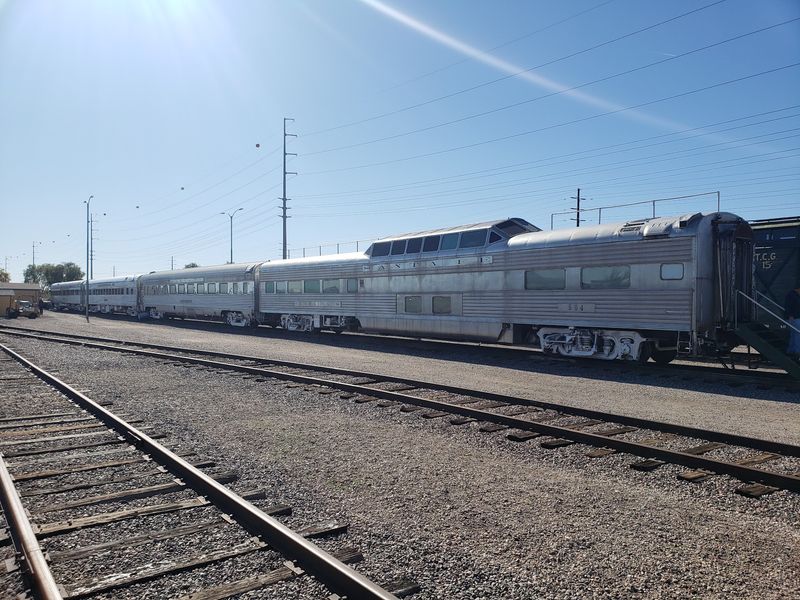
Regular weekends show off a dozen open cars. Special event days open the whole collection.
Arizona Railway Day takes place each February. During this annual event, the museum opens all the cars and shows off everything from rolling palaces to works in progress.
A Fall Festival Open House is also on the calendar. It offers the same chance to see every car, which makes it ideal for anyone who wants the complete picture.
Event days come with extras. Vendors and stalls set up around the grounds, and entry has been free on these occasions.
That makes these dates a smart pick for larger families on a budget. The bigger crowd also brings a lively, festival-style mood to the yard.
Works in progress are a hidden highlight. Seeing a car mid-restoration helps everyone understand how much labor goes into the finished pieces.
Dates can shift from year to year, so the museum website is the best place to confirm the schedule. Mark the calendar early.
For first-timers, an event day is a great introduction. For repeat guests, it is a chance to finally peek inside the cars that are usually closed.
Planning The Trip And Final Whistle
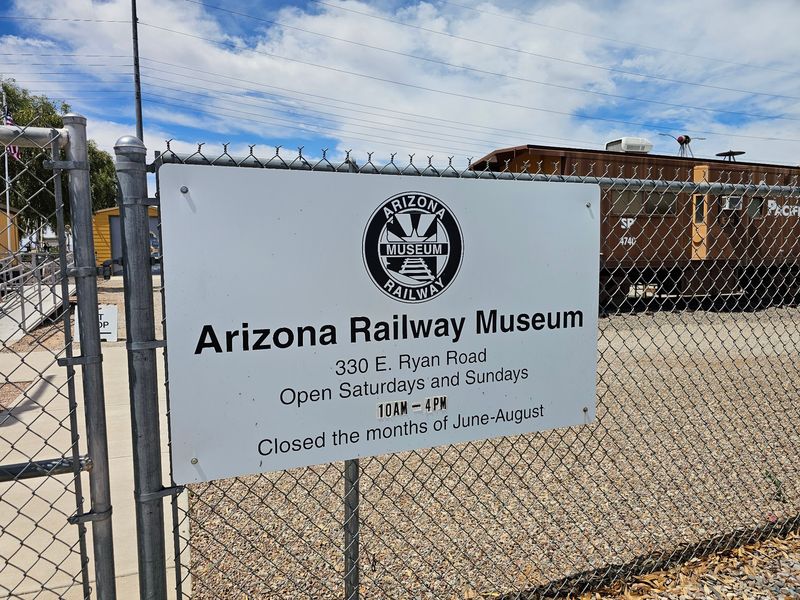
Timing is everything at this museum. Doors open only on Saturday and Sunday, from 10 AM to 4 PM, and it is closed Monday through Friday.
Admission has been $15 per person. A family deal of $40 covers everyone in the group, and donations of any amount are welcome.
Most of the museum is outdoors, and Arizona heat is no joke. Bring sunscreen, shades, and water, and consider winter months for the most comfortable visit.
Plan on about 45 minutes with a toddler and closer to 90 minutes for a thorough look. Rail buffs could easily stay longer.
Handicap parking and easy access are available at the entrance. Inside the old cars, though, narrow aisles make wheelchair access difficult, since this equipment predates modern accessibility rules.
Nearby cafes and a recreation park round out the day. They make it easy to turn a short museum stop into a full family outing.
All told, the Arizona Railway Museum delivers far more than its plain exterior suggests. It gives grandparents memories, parents a shared hobby, and kids a chance to climb aboard real history.
Plan around the weekend hours, pack water, and let the trains do the rest.
Share this story