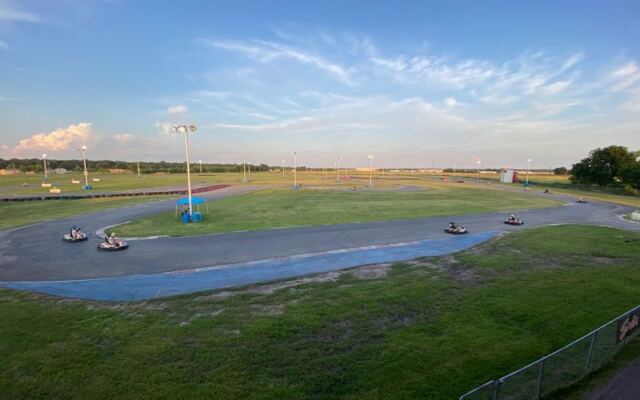
Most go-kart tracks fit inside a warehouse, and a few laps there can end before the fun really starts. Out east of Dallas, there is a track that skips the walls and the roof altogether.
It spreads across 25 acres of outdoor road course, with gas-powered karts that can reach up to 60 miles per hour on the straights. Families drive an hour or more to race here, and plenty of them leave already planning a return trip.
Keep reading to learn what makes this place so big, who it suits best, and the smart moves that help a first visit go smoothly.
A Racetrack Hiding in Caddo Mills
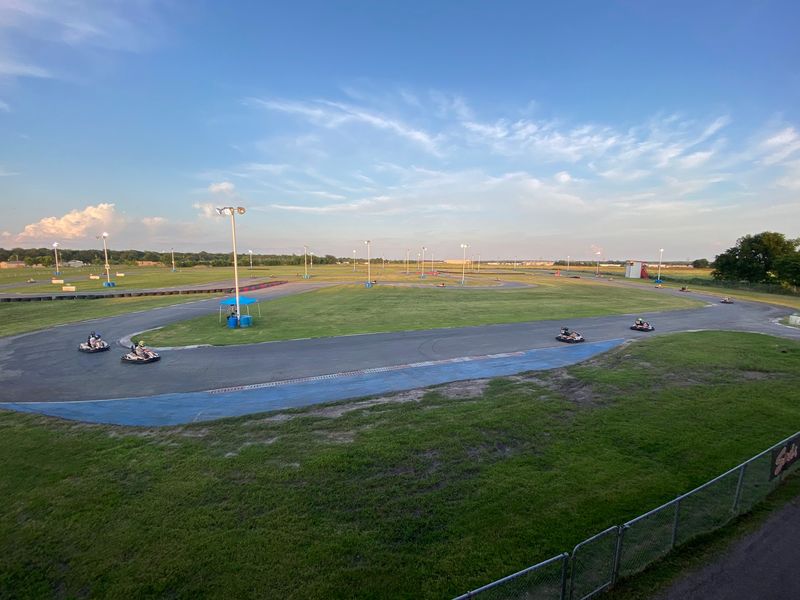
Head east from Dallas, keep driving past the city traffic, and the payoff arrives in the small town of Caddo Mills. Dallas Karting Complex sits at 5025 FM1565, Caddo Mills, TX 75135, in the United States.
The venue is a go-karting destination built around one big idea. It offers kart rentals and racing on a large outdoor track, plus space set aside for private events and parties.
Many people know the place by its short nickname, DKC. It holds a 4.4-star average from more than 1,340 opinions on Google, which is a strong score for a spot that asks guests to drive out of the city.
And drive they do. Trips of 50 minutes, an hour and a half, and even two hours come up again and again from people who made the journey.
The location is a little out of the way, and that is part of the deal. All that open country is exactly what makes room for a track this size.
So what does a 25-acre racetrack actually offer once the engine starts?
Twenty-Five Acres of Asphalt Ambition
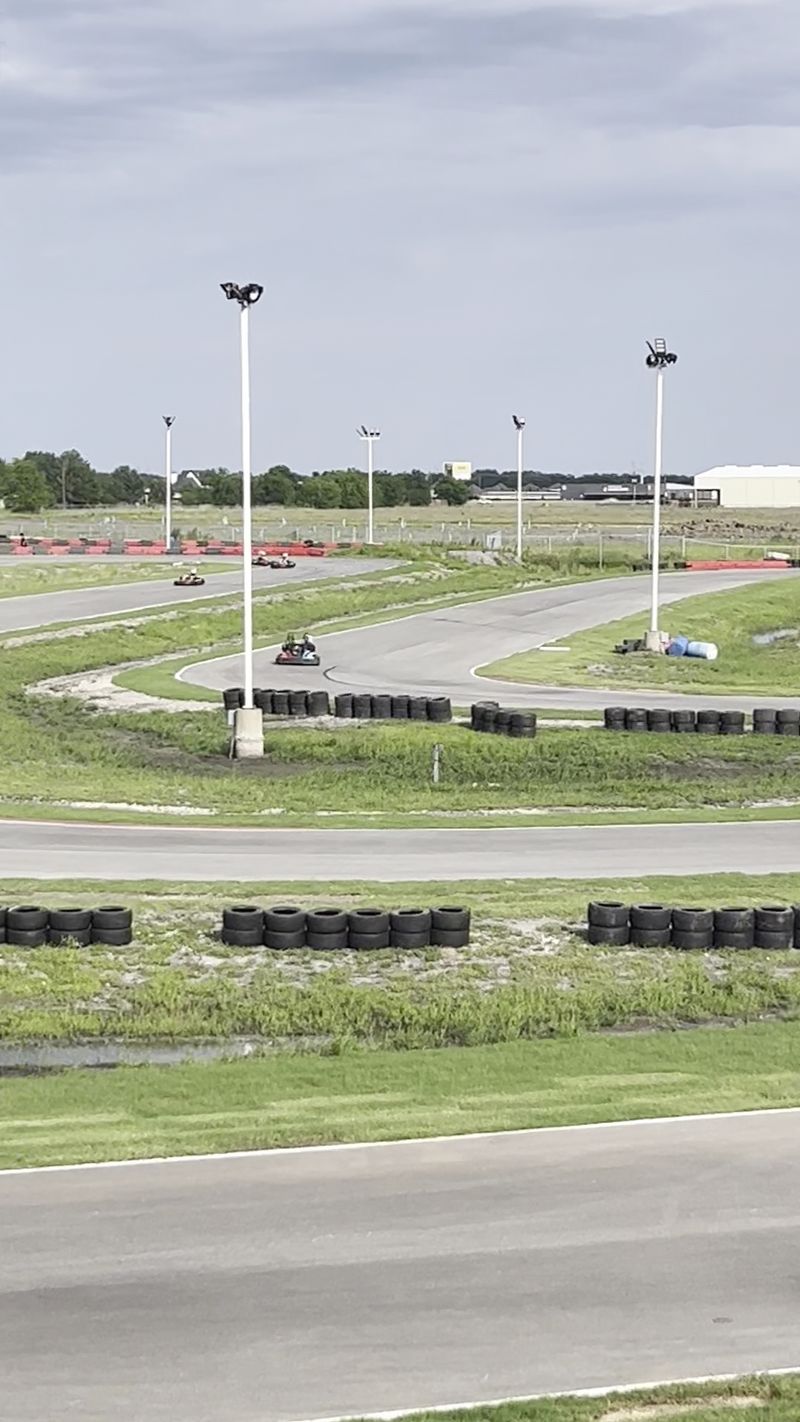
Size is the headline here, and the numbers back it up. The complex features a professional-grade outdoor road course spread across 25 acres.
That scale changes the whole experience. Indoor electric tracks tend to be tight and twisty, but this one gives drivers real straights where speed can build.
The layout earns praise for being well designed and fun to drive. Many first-timers say it feels like real racing instead of a regular go-kart outing.
Weather plays a role, though. Since the course is outdoors, recent rain and changing conditions can leave the surface slippery on some days.
Braking takes practice too. Stomping hard can send a kart into a spin, so drivers learn to ease off and control speed gradually through the turns.
That learning curve is a big reason one race rarely feels like enough. By the third session, most people are carrying more speed and posting better lap times than when they started.
Of course, a huge track is only half the story. The machines matter just as much.
Karts in Every Size and Speed
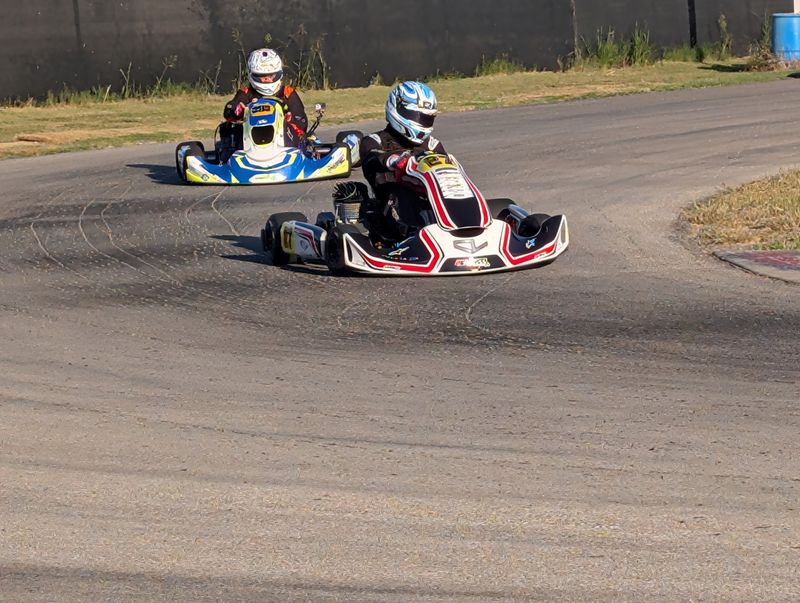
Sixty miles per hour, just inches off the ground. That is what the gas-powered adult karts can hit on the straights at DKC.
Fast karts are the single most talked-about feature of the place. The fleet comes in tiers, so drivers can match their skill level to the right machine.
Junior Karts let younger kids get a taste of outdoor racing in a controlled setting. Adult Karts serve teens and grownups looking for a more competitive ride.
Then there are the GT Max karts, the faster two-stroke option for experienced drivers. Getting behind that wheel takes some work first.
Drivers must complete a minimum of three standard races to qualify. That qualification lasts 90 days, so people who visit only a couple of times a year often need to requalify.
A few details are worth knowing before chasing that upgrade. The slower karts have timers, while the fast kart may not show lap times, and kart consistency can vary from one machine to the next.
Still, nothing hooks a racer quite like watching a stopwatch shrink. That brings up the clever way races are scored.
The Race Against Your Own Clock
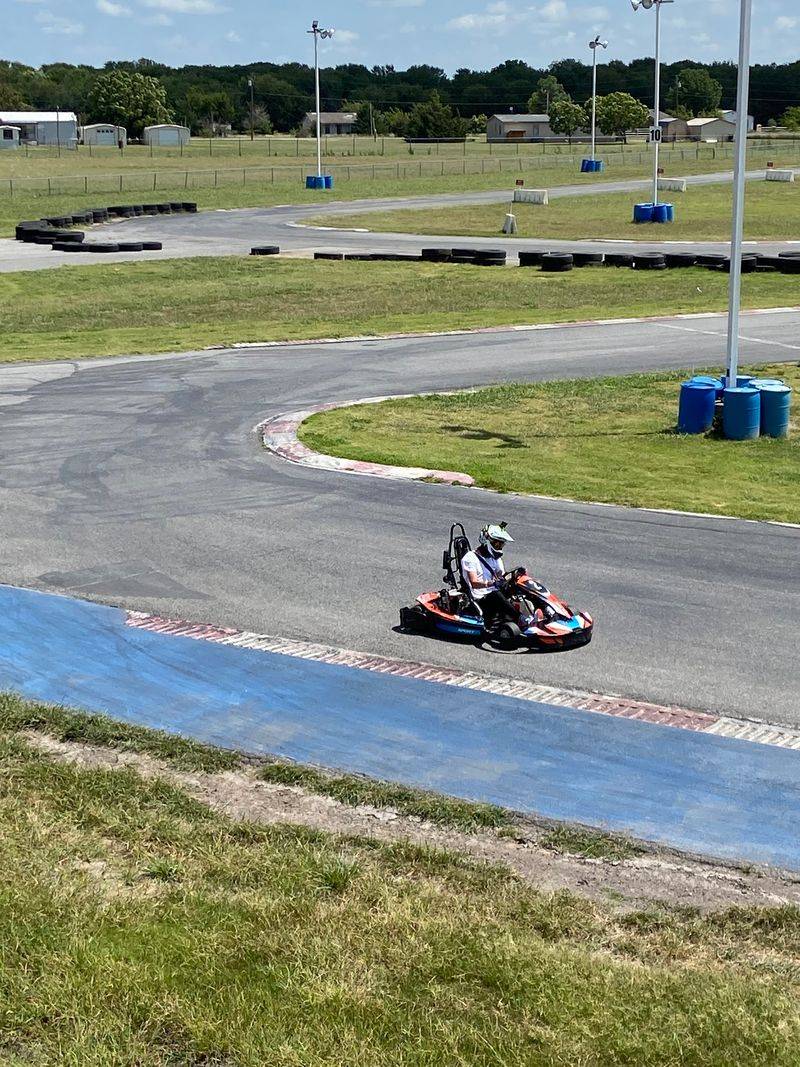
Here is a fun twist on competition. Even with 24 to 26 drivers on track, the real opponent is the clock.
Starting position matters less than usual, because the focus lands on improving personal lap times. That keeps nervous beginners from feeling pressure to win outright.
The three-race combo gets strong recommendations for exactly this reason. It gives drivers enough time to shake off the first-round jitters and steadily trim seconds.
Groups often start the first session a little skittish. By the final round, those same drivers are pushing as fast as they can and comparing improved times.
Timing relies on transmitters attached to the karts. On rare occasions one fails, and a driver may not get a recorded result for that session.
League races also run at the complex, and they can be entertaining to watch from the sidelines. One race saw a driver climb from last place to first, leaving the crowd stunned.
Not every bit of the action happens outside, though. Indoors, a different kind of racing waits.
Sim Lounge Showdowns
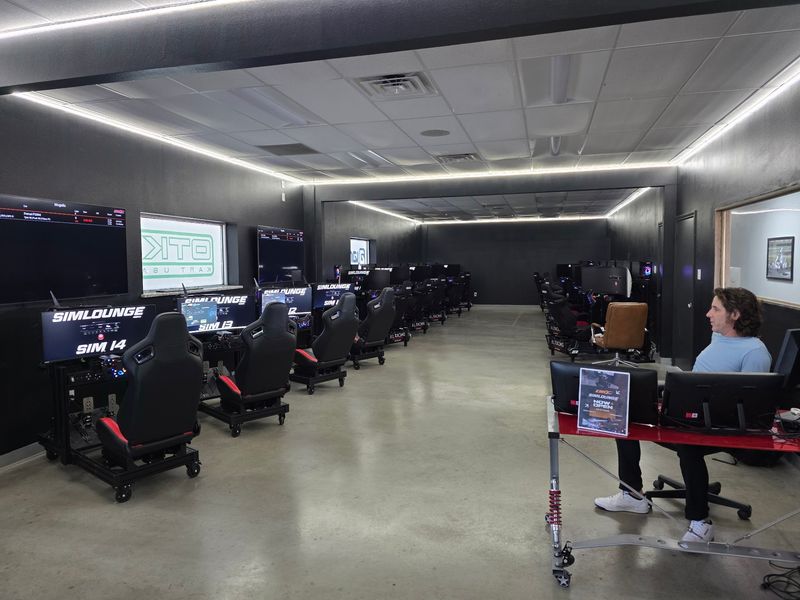
Between heats, the racing keeps going in the sim lounge. The complex offers racing simulators that add another layer to a day at the track.
Sim racing ranks among the popular extras here. Families with teenagers call the simulators incredible and a big part of the fun.
Expect some humble moments. Groups trying them for the first time often find the virtual cars tougher than the real ones.
Anyone who owns a home sim setup may have a serious edge. Even so, laughing at a spin on screen is part of the appeal.
The simulators work well as a break from the heat or a way to fill wait time. They also let the whole group stay together while others finish their sessions.
Combining track time with sim time turns a quick visit into a fuller afternoon. That kind of variety makes the complex a natural fit for celebrations, which is where things get social.
Birthdays, Buddies, and Big Groups
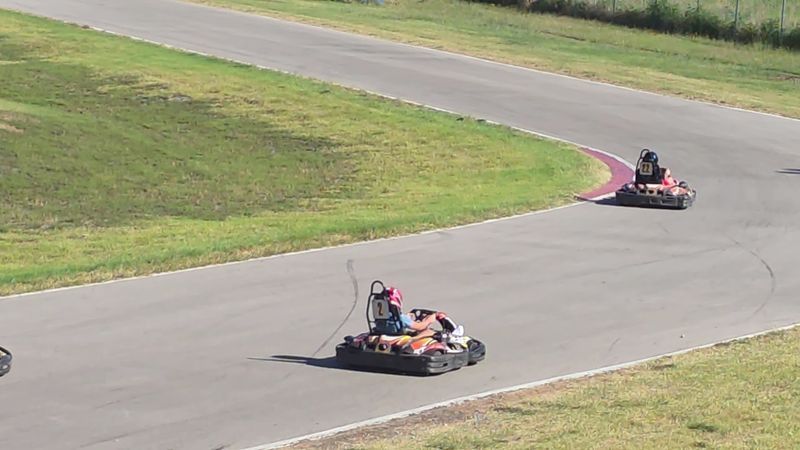
A 16th birthday with a full day of racing is a pretty great way to mark the milestone. Parties like that are common at DKC, which has space for private events.
The crowd here is wide. Kids as young as 6 have enjoyed it, along with tweens, teens, couples, and groups of friends.
Parents of nervous young drivers have praised staff members who cheered their kids on and built up their confidence. Early arrivals sometimes even get the track nearly to themselves.
For teens close to driving age, karting offers practice with turns, braking, and vehicle awareness. It is not the same as a car, but it builds useful control.
Friend groups and spring break outings show up often too. The overall mood is energetic, clean, and family friendly.
Experiences with staff vary, however. Some sessions run smoothly with patient, organized help, while others have seen slow responses to stuck karts or crowded heats mixing drivers of very different speeds.
Parents of younger kids may want to watch heat sizes closely and speak up when needed.
Hours, Costs, and Smart Planning
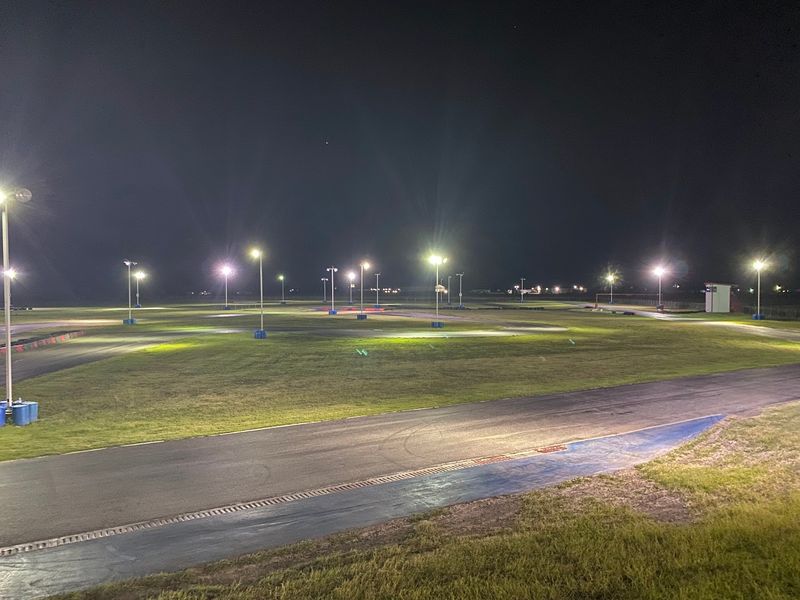
Timing a visit well can save a lot of standing around. The complex opens at 10 AM on Saturday and Sunday and at 11 AM Monday through Friday, closing at 9 PM every day.
Weekends get busy, and wait time is a frequent topic. Arriving early is the simplest way to beat the crowd.
Closed-toe shoes are strictly required, so leave the sandals at home. Helmets and head socks are part of the gear process.
Budget a bit more than the base race price. Extra charges can include a maintenance fee of around 4 to 5 percent, a credit card fee, gear costs, and tax.
One example: three races listed at 70 dollars came to about 108 after fees and tax. The GT kart upgrade runs about 70 dollars on top of that.
There is no water fountain, and bottled water is sold for about 3 dollars. Bringing a plan for drinks is a smart move on hot Texas days.
Double-check the ticket number at check-in, since mix-ups have happened. Ask questions freely, and the visit tends to roll along much more easily.
Worth the Drive to Caddo Mills?
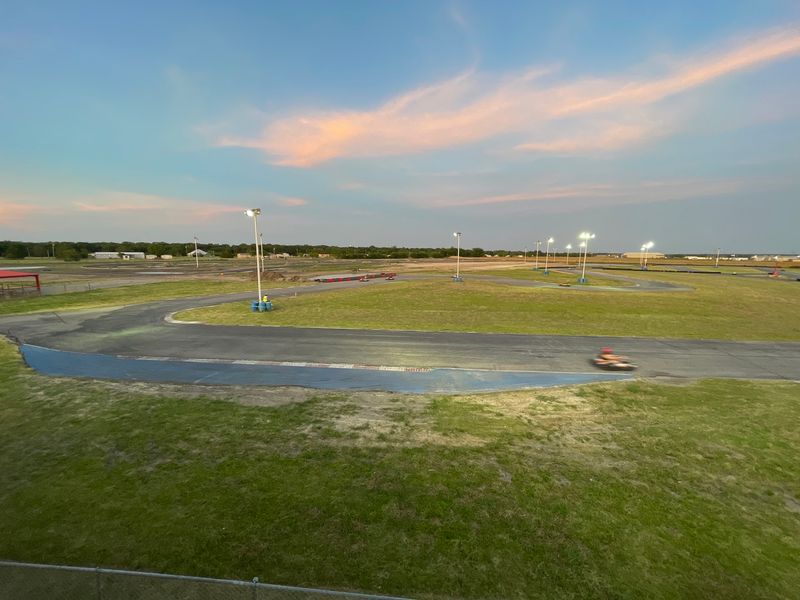
Plenty of racers drive over an hour each way and call it worth every minute. That says a lot about what this track delivers.
The big draw is simple. A huge outdoor course and fast gas karts create a real racing feel that indoor tracks struggle to match.
Tiered karts give kids, teens, and adults a fitting place to start. The sim lounge and league races add even more reasons to stick around.
It is not a perfect day every time. Costs add up with fees, staff attention can be uneven, and the GT qualification rules frustrate some repeat guests.
Going in prepared fixes much of that. Arrive early, budget for extras, wear proper shoes, and grab the three-race combo.
Do that, and the scoreboard becomes the real story. Each lap gets a little cleaner, each time drops a little lower, and suddenly the drive home turns into planning the next trip to the starting grid.
Share this story