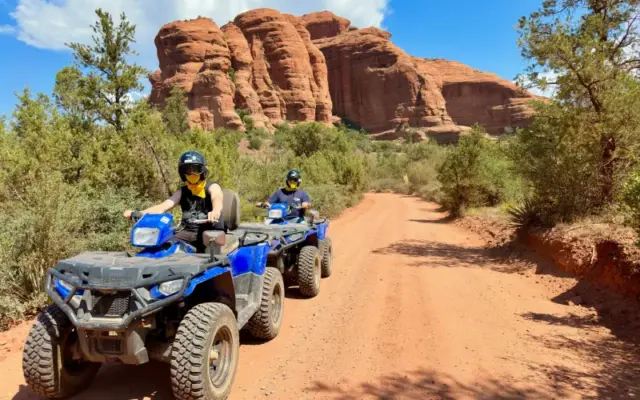
Picture a family outing where grandparents, parents, and teens all get to feel the thrill of red-rock country from behind a steering wheel. Sedona rentals make that possible, but every operator, vehicle, and route works a little differently.
A few smart questions before you book can turn a confusing process into an easy, memorable day. Here is how to plan one that works for every generation.
The rental counter is where the ride takes shape
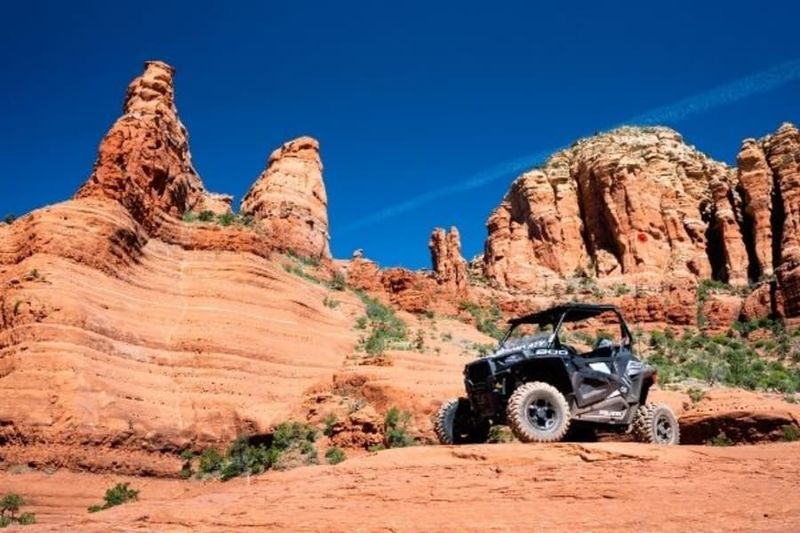
Plenty of the day gets decided before anyone turns a key. Start by asking exactly which vehicle you are getting, how many seats it has, and who is allowed to drive or ride along.
Businesses often use the word ATV in their marketing, and some of them supply side-by-side UTVs, which look and feel different from a single-rider quad. You can see how an operator describes its machines on Sedona ATV Rental’s home page, but always confirm the current details directly.
Next, ask about the rules that belong to that company. Driver age, license requirements, child passenger conditions, and what the rental includes are set by each operator, so one company’s policy does not carry over to another.
One operator lays out its own conditions in its FAQ, and those are company policies, not universal rules. Also ask which routes are suggested and what happens if weather or a closure changes the plan.
It helps to remember that Sedona residents have their own views on off-highway traffic, and a City of Sedona report records concerns about noise, safety, and environmental effects. Booking with those concerns in mind sets a respectful tone from the start.
This is not an outing where adults only stand guard. Grandparents can ride along and soak in the scenery, parents can share the planning, and teens can take part in the navigating.
When everyone has a role, the day feels like a shared adventure instead of a supervised errand.
Ask what guidance comes with the rental
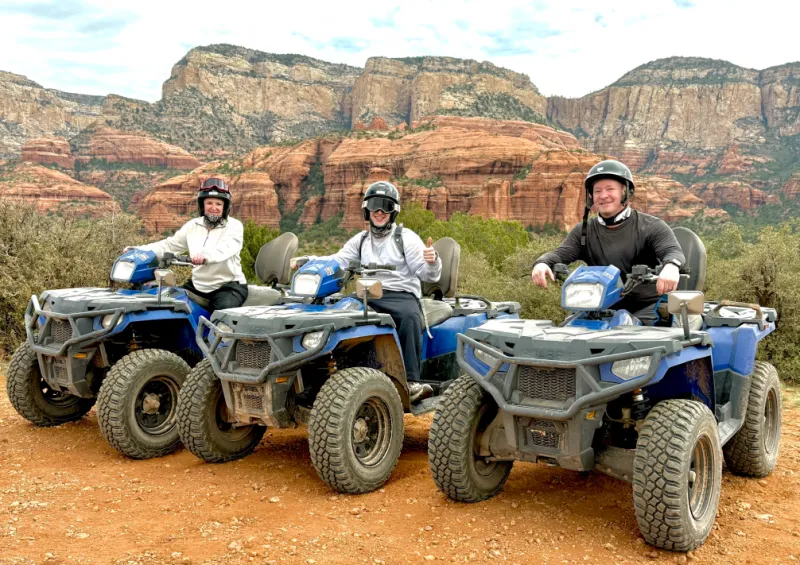
One local operator describes its off-road rentals as self-guided. According to its FAQ, renters receive a vehicle orientation, maps, and suggested routes before heading out.
That is how this business runs things, and it should not be read as a standard Sedona process.
Other companies may offer guided tours, different instruction, or different route options. So before booking anywhere, ask what you will actually receive.
Will someone walk you through the controls, seat belts, and braking? Will you get a paper map or a digital one?
Are the suggested routes matched to the vehicle you are renting?
Self-guided can sound freeing, and for some families it is. It also means your group carries more of the decision-making on the trail, from reading a map to deciding when to turn around.
A family with a nervous first-timer or a grandparent who likes a slower pace might prefer more hands-on support. A family of confident riders may happily take the maps and go.
Try asking a few pointed questions. How long is the orientation?
Can we practice before leaving the lot? Who do we call if the vehicle has a problem or the route is blocked?
Clear answers are a good sign. Vague ones are worth a second look before you hand over a deposit.
Pavement may be part of the route
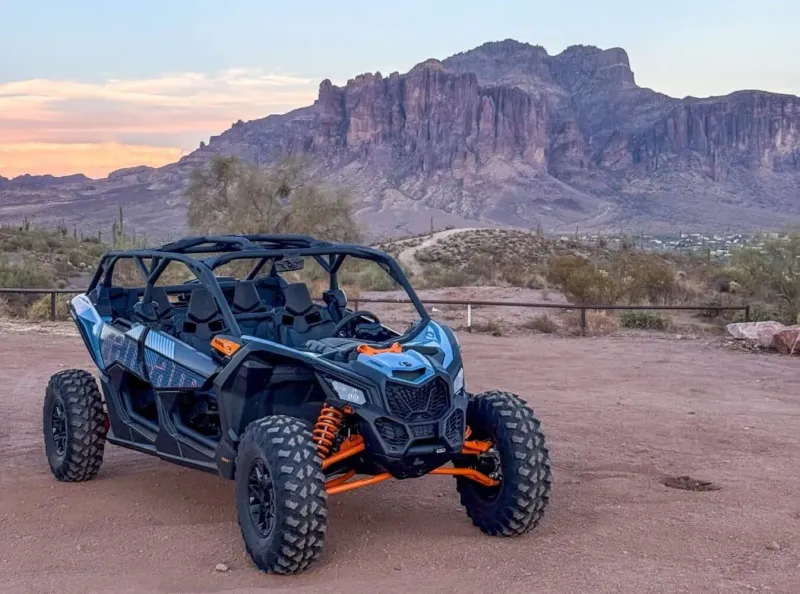
Picture the moment the tires leave the pavement and hit dirt. For some rentals, that moment does not come right at the counter.
One operator says in its FAQ that its street-legal vehicles can drive from its lot to trail access points, which means part of your trip may be on public roads.
Road legality and trail permission are two separate questions. A street-legal vehicle may use qualifying roads, but that does not mean it can ride any off-road route.
Arizona Game and Fish explains that vehicles on many Forest Service or BLM roads must be registered and street legal, while some routes allow recreational vehicles that are not street legal. The rules depend on the vehicle, the route, and the land manager.
You may have read safety advice to stay off roads. The Consumer Product Safety Commission recommends avoiding public roads except where crossing is permitted by law.
That is a safety recommendation, and it does not mean every off-highway vehicle is banned from pavement, since Arizona allows some properly equipped, registered vehicles on qualifying roads.
So ask the operator whether your exact vehicle is street legal, which roads you will use to reach the trail, and which trails it is allowed on. A rental company saying yes to one does not settle the other.
Check which routes are open to your vehicle
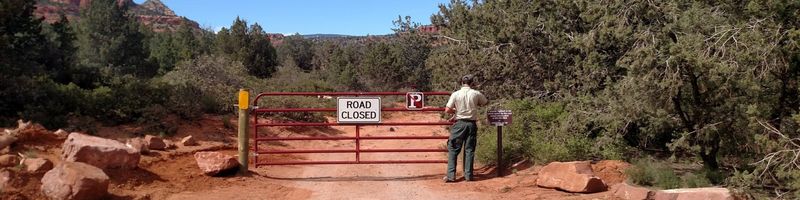
A dirt road that looks inviting is not necessarily open to you. On Coconino National Forest land, motorized use is limited to routes designated for the vehicle type and season.
The Forest Service 2025 travel map makes clear that a route being visible, marked, or listed as a trail does not by itself mean public motorized use is allowed. Undesignated routes are closed to public motorized use, even when they appear on the ground.
The key document is the Motor Vehicle Use Map, or MVUM. The travel map is a supplement, and the MVUM is the final authority.
Before your trip, pull up the current MVUM and look for the specific route you hope to ride, then check whether it is designated for your type of vehicle and the time of year.
Conditions can also change quickly. The forest posts current alerts and closures, and those are worth a look the morning you ride, not just when you book.
Designated routes can be rough, impassable, or temporarily closed, so keep a backup plan in mind.
A practical habit is to bring the route question to the rental operator and verify the answer yourself. Ask which designated routes they suggest, then compare that with the MVUM and the alerts page.
It takes a few minutes and keeps the day from turning into a turnaround.
Red-rock scenery is the payoff, not a guaranteed itinerary
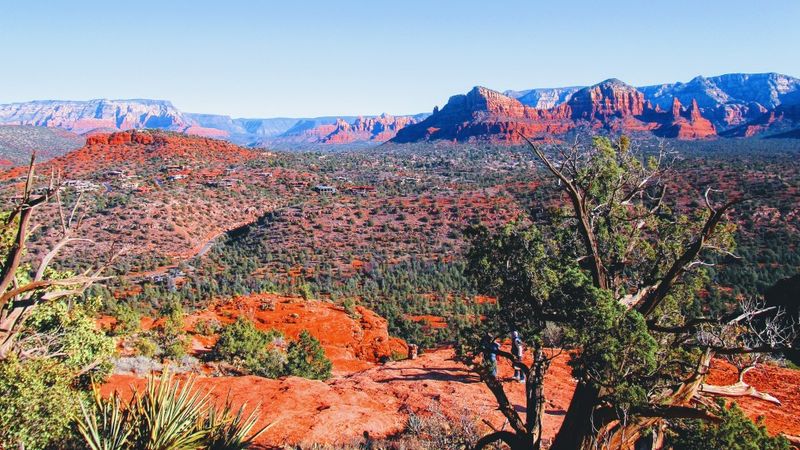
The color is the reason many people come. Sedona’s red cliffs and layered rock formations are well documented by the Arizona Geological Survey, whose guide to the Sedona and Oak Creek Canyon area describes the rock layers that shape the landscape.
Seeing that kind of geology from a trail is a very different experience from looking at it through a car window.
It also gives each generation something to talk about. A grandparent might remember earlier visits, a teenager might be hunting for the best photo, and a younger child might simply want to know why the rocks are red and stacked like layer cake.
Stopping to compare guesses is part of the fun.
Still, the view is not a promise. No rental can guarantee a particular overlook, trail, or stretch of scenery, because access depends on the route you choose and its status.
The Forest Service cautions that designated routes can be rough, impassable, or temporarily closed.
Treat the scenery as a bonus that you plan around, not a box on an itinerary. Verify the route and its current conditions separately, and keep your expectations flexible.
If one road is closed, another stretch of red rock may be just as memorable.
Make sure every rider fits the machine
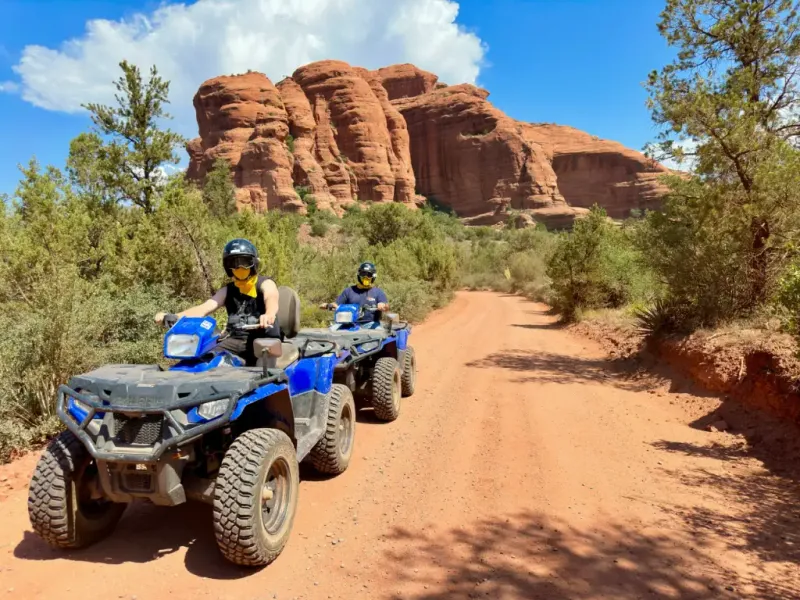
Helmets come first. Arizona law requires a DOT-approved, properly fitted helmet for off-highway vehicle riders under 18 on public or state land, as laid out in Arizona Revised Statutes 28-1179.
A helmet that is loose, too big, or unbuckled does not do the job.
Other guidance is a recommendation, not Arizona law. The Consumer Product Safety Commission recommends helmets and protective gear for all riders, age-appropriate vehicles for riders under 16, and no more passengers than the vehicle has seats.
Adults can follow the same advice, and it sets a good example for kids.
An age cutoff is not proof of readiness. A rental company may set a minimum age, as one operator does in its FAQ, but meeting that number says little about whether a child can sit properly, reach the seat belt, or stay calm on a bumpy stretch.
Children should never be put behind the wheel of an adult-sized vehicle.
Bring these questions to the operator:
What are the driver age and license requirements? Which seats are suitable for a child passenger, and do the seat belts fit them?
Are helmets provided, and do they come in youth sizes? What instruction is included before we leave?
If an answer is unclear, or a rider does not fit, choose a different seat, vehicle, or plan.
Stay on route and keep the landscape in view
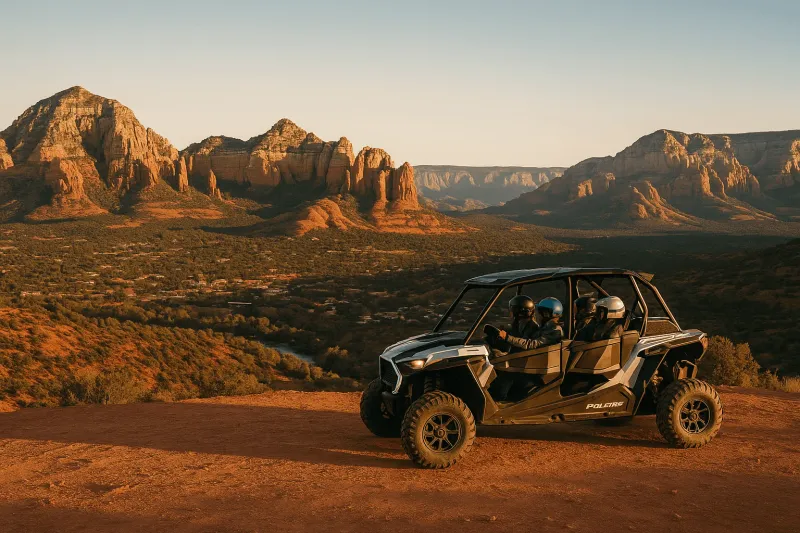
The same landscape that draws riders is easy to damage. Arizona Game and Fish warns that riding off trail can cause erosion and habitat damage, and that wet areas and stream banks are especially vulnerable.
Staying on designated routes, avoiding wet areas, and leaving wildlife alone are simple ways to protect the place you came to enjoy.
Sedona is also a community where this topic is debated. A City of Sedona report records resident concerns about noise, safety, and environmental effects from off-highway vehicle use.
Those concerns are part of why courtesy on the trail matters, from keeping speeds reasonable to passing others slowly.
A 2023 environmental impact assessment measured dust and noise at a limited set of trailheads over a short observation period. Because of that narrow scope, it cannot be read as proof that off-highway use has no effect, and it cannot be read as proof of harm everywhere.
It is one snapshot.
For families, the practical lesson is straightforward. Treat every trail as shared space.
Follow the route you verified, turn around at puddles and stream crossings you are not sure about, and let kids help spot trail markers and wildlife from a distance. Good habits on a rental day are a lesson they can carry to every outdoor trip.
Trade pavement for a better-prepared ride
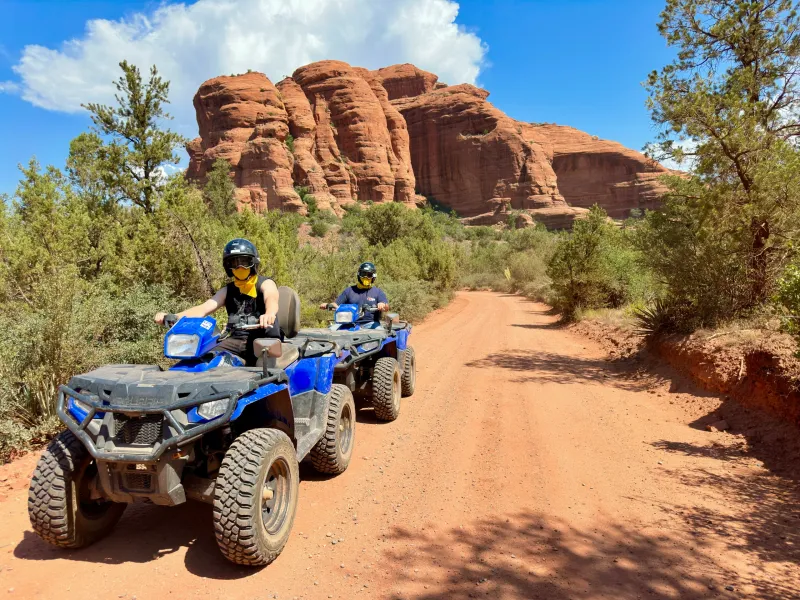
A good Sedona ride starts with a short checklist. Confirm the vehicle and the operator’s terms, using details like those in an operator’s FAQ.
Check the route against the Forest Service travel map and the current MVUM. Then make sure each rider has gear and a seat that fit, following CPSC guidance and Arizona’s helmet rule.
Do that, and the red rock can be the shared highlight for every generation. The best trips are the ones where everyone is ready before the engine starts.
Share this story