A funeral carriage might stop you in your tracks, but the old autopsy tools could keep you looking even longer. At the Anatomy of Death Museum in Mt.
Clemens, objects tied to death become a way to learn about medicine, history, and human customs. Visitors describe a collection that feels eerie, thoughtful, and surprisingly welcoming.
For Michigan adults and families comfortable with the subject, it offers plenty to talk about long after the visit.
An Unusual Museum on Cass Avenue
A different kind of Michigan outing waits at 292 Cass Ave in Mt. Clemens.
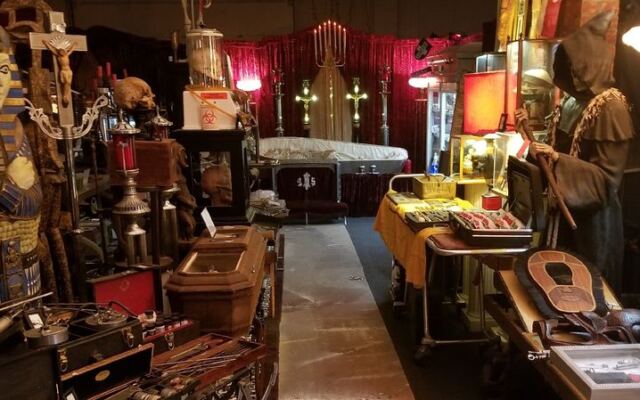
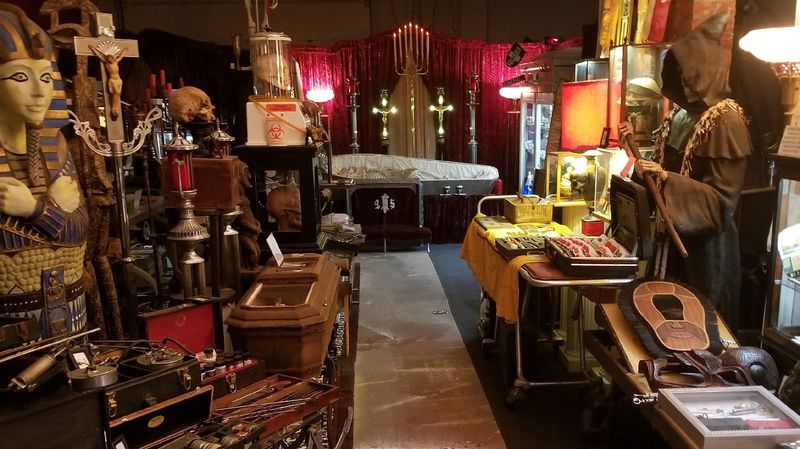
The Anatomy of Death Museum centers on objects connected to death, including funeral carriages, medical equipment, bones, and skulls, according to visitor accounts.
That might sound like a place built only for people who love the macabre. Yet reviews also describe a museum with clear labels, historical information, and enough detail to hold the attention of visitors interested in medicine or funeral traditions.
One visitor calls the museum small, while others say they could spend hours examining its collection. Those descriptions are not at odds: a modest space can still reward slow looking when its displays contain many separate objects and stories.
For parents and grandparents, the appeal does not have to revolve around keeping younger relatives entertained. Adults may find their own reasons to linger, whether that means studying an unfamiliar instrument or considering how people have cared for the dead.
Start with the understanding that this is a museum about a sensitive subject, not a general family attraction. Knowing that before arriving helps everyone decide whether the stop matches their interests and comfort level.
A Personal Collection With a Strong Point of View
Behind the unusual objects is a collector whose interest gives the museum its character. Several visitors describe the displays as coming from the owner’s personal collection, and reviews repeatedly identify the owner as Todd.
That personal connection matters because the museum is not simply a room of strange things. Guests mention hearing stories about how the collection came together, with individual pieces becoming more interesting once someone explains their background.
No opening date or complete founding history appears in the supplied information. What does come through clearly is the effort visitors notice in the arrangement, labeling, and overall presentation of the objects.
One review praises how carefully the pieces are placed, while another describes the setting as feeling like a step back in time. Together, those impressions suggest a collection shaped by sustained attention rather than a loose pile of curiosities.
For a multigenerational group, that collector’s perspective can offer common ground. A grandparent who enjoys antiques, a parent interested in medical history, and an older child drawn to unusual museums may notice different things while still sharing the same conversation about why people preserve objects like these.
Funeral Carriages That Shift the Scale
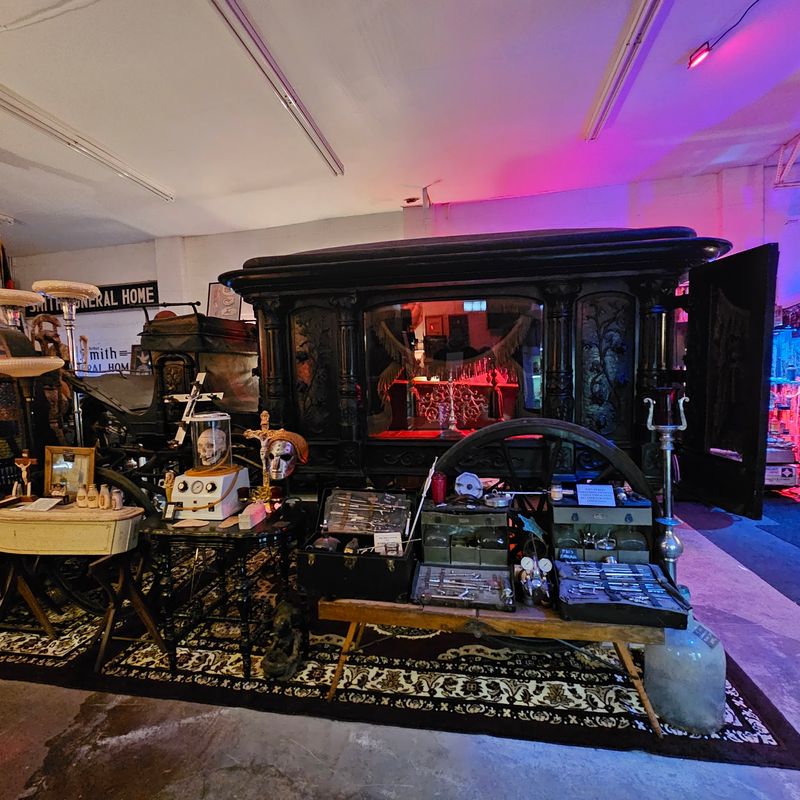
Among all the smaller objects, a funeral carriage gives the subject a different sense of scale. Visitors specifically mention carriages among the museum’s holdings, placing them alongside bones, medical tools, and other funeral-related artifacts.
A carriage asks you to look beyond a single instrument or specimen. It brings attention to the act of moving the dead and invites questions about the practical and public parts of a funeral.
The supplied reviews do not identify the carriages’ makers, dates, or individual histories. Rather than guessing from their appearance, use any accompanying information to understand the particular examples on display.
For adults who enjoy old vehicles or historical objects, this may be a natural place to pause. Younger visitors who are comfortable with the museum’s theme may also find a large, recognizable object easier to discuss than a case of unfamiliar equipment.
Try comparing what the carriage communicates with what the medical displays communicate. One points toward ceremony and remembrance, while the other raises questions about the work surrounding death.
That contrast helps explain the title’s pull. The carriage is not merely an unusual thing to photograph; it can make an everyday human experience feel both distant and surprisingly close.
Autopsy Tools and the Work Behind Them
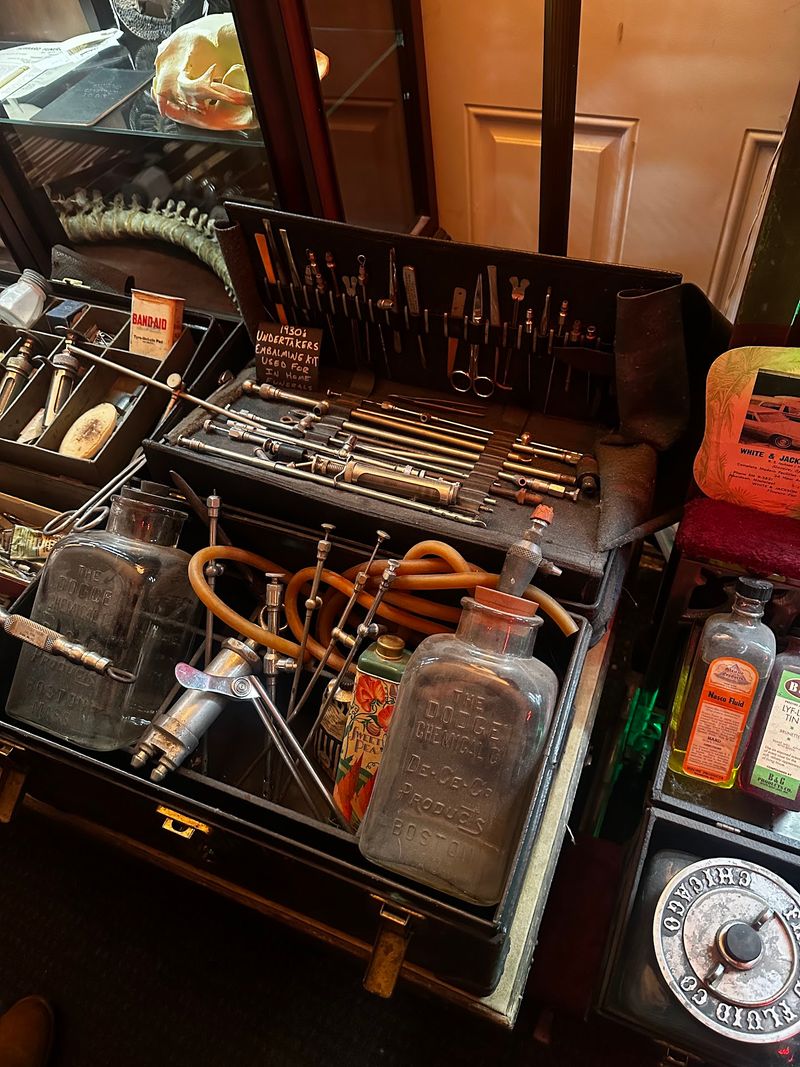
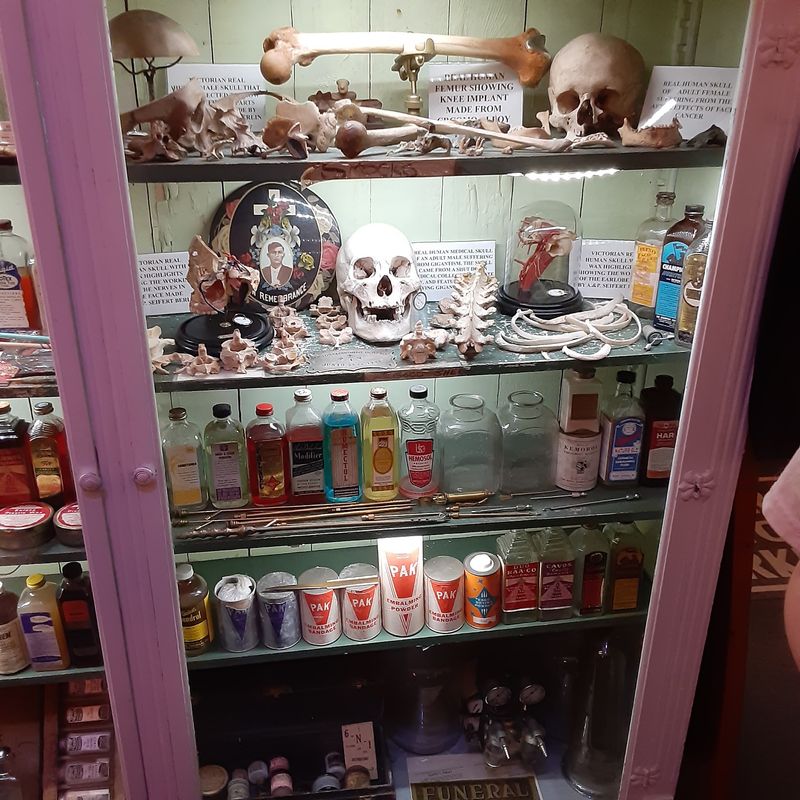
Small metal tools can hold your attention just as firmly as a large carriage. Autopsy instruments and embalming kits are among the museum subjects most often mentioned in the supplied visitor data.
Reviews also describe beds, machines, jars, and medical antiques from different periods. One visitor specifically enjoyed seeing how tools changed over time, a useful thread to follow as you move through the displays.
You do not need a medical background to find that comparison interesting. Look for differences in shape and design, then let the labels explain what an object is rather than trying to guess its purpose.
A funeral professional who visited praised the amount of funerary history and information gathered in one place. That response offers a useful reminder that the collection can interest people with working knowledge of the subject, not just those encountering it for the first time.
For families, this section may lead to direct questions about bodies, medicine, and the work people do after someone dies. Answer only as much as feels appropriate for your group, and leave room for someone to step away.
The strongest approach is curiosity with respect. These are tools connected to serious work, even when their unfamiliar appearance first catches your eye.
Skulls, Bones, and a Closer Look at Anatomy
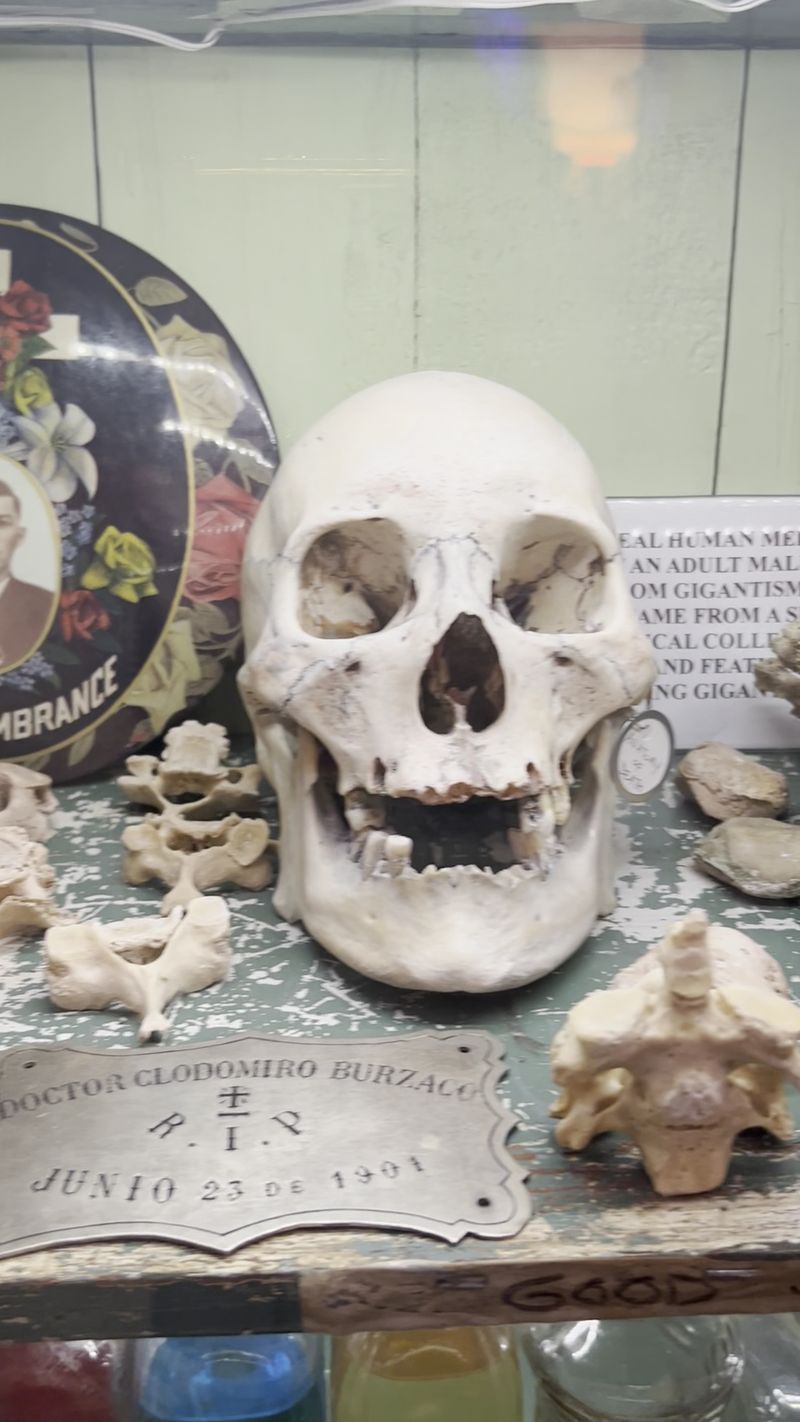
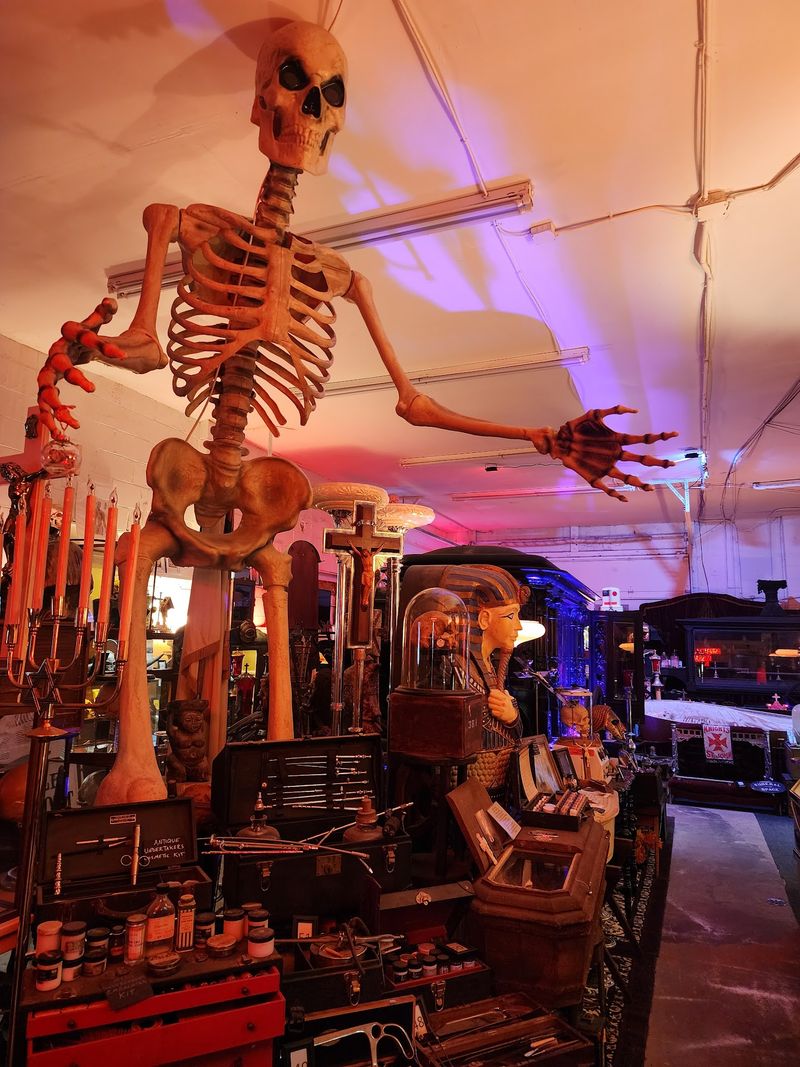
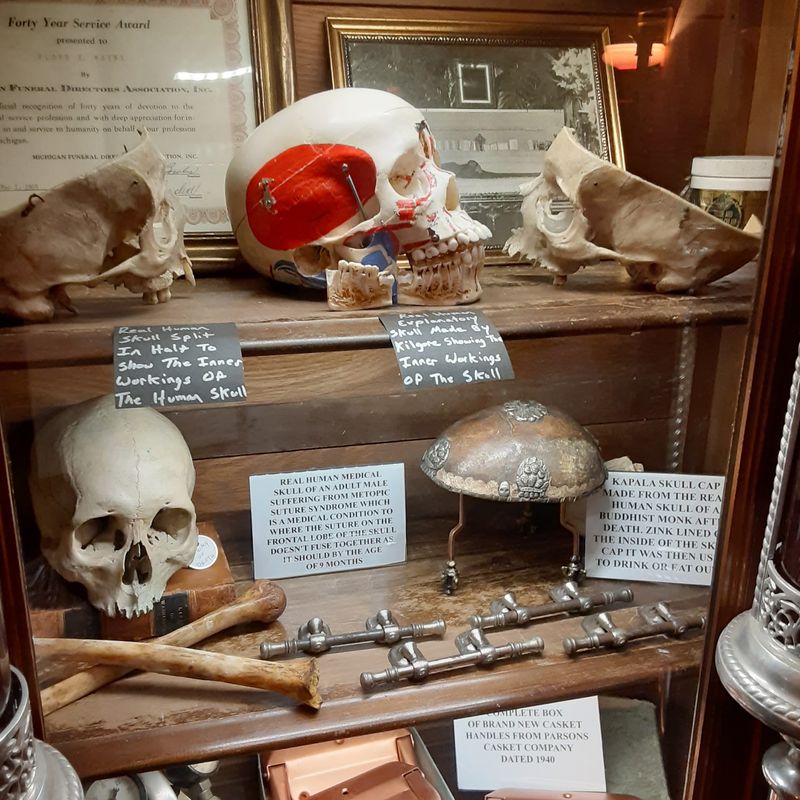
Few objects make the museum’s subject as immediate as a skull. Skulls appear frequently in the supplied review topics, and visitors also mention bones and a skeleton collection.
For some people, this will be the most compelling part of the outing. For others, it may be the point where curiosity gives way to discomfort, and neither response needs to be treated as the correct one.
The collection offers a reason to slow down and pay attention to anatomy rather than treating every specimen as a spooky decoration. Read the available descriptions and separate what the museum tells you from what you might assume based on appearance.
The supplied information does not establish the identity, age, or origin of individual specimens. Those details should come from the museum’s own explanations, not from guesses made while browsing.
Parents and grandparents can help set a respectful tone without turning the visit into a lecture. A simple conversation about what bones reveal, and what they cannot tell us on their own, gives everyone room to think.
There is no need to make this a test of bravery. Looking carefully, asking a sincere question, or choosing to move along are all reasonable ways to experience a sensitive display.
Labels and a Guidebook That Reward Slow Looking
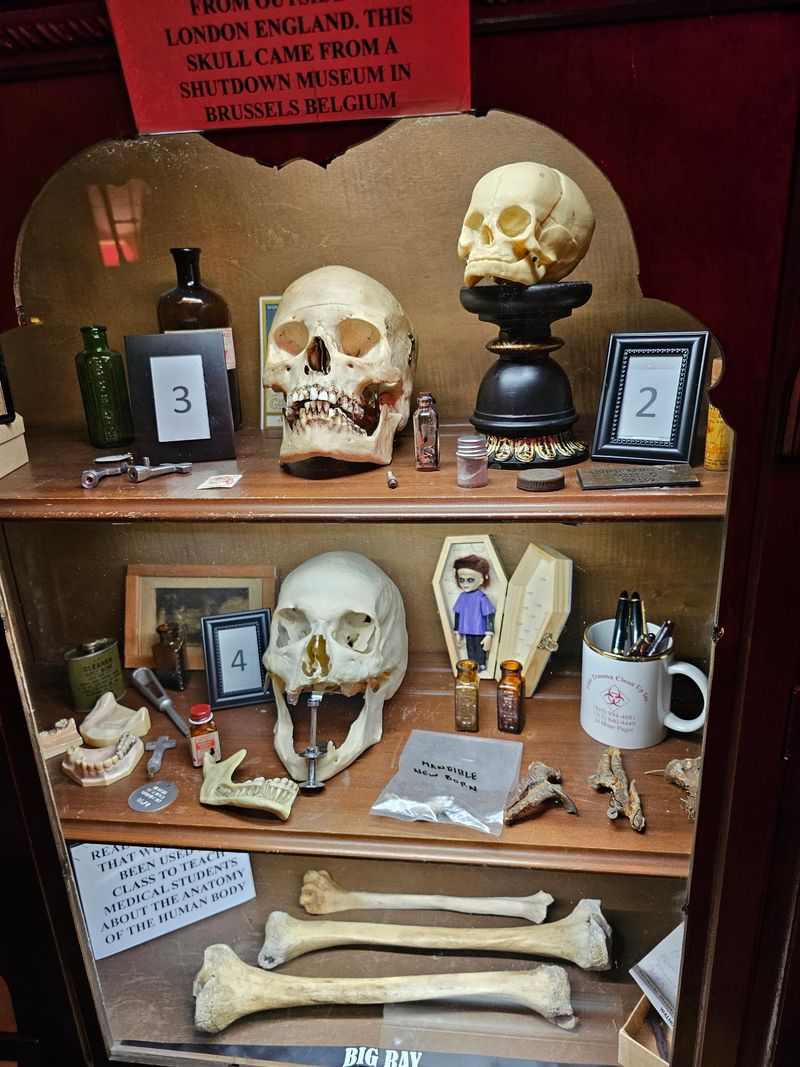
Reading turns a room of unfamiliar objects into something you can begin to understand. Multiple visitors praise the museum’s labels, while others describe a laminated guidebook with entries that match numbered items.
One guest especially appreciated being able to connect an object with additional information in the book. Another felt that the guide made learning more interactive, showing how a simple reference can change the pace of a visit.
Rather than moving from one eye-catching piece to the next, choose an object and give its explanation your full attention. You may find that the item you initially passed over has the question or story that holds you longest.
For a family group, sharing the reading can keep the experience from becoming one person’s running lecture. Adults and younger visitors can take turns choosing something they want to understand, without needing to agree on a favorite display.
Ask about the guide when you arrive, since the reviews describe past experiences rather than a guaranteed feature of every future visit. The same practical caution applies to any particular object you hope to see.
The larger lesson is simple: leave enough room in your plans to read. Much of the museum’s appeal seems to sit in the details.
The Human Side of a Death Museum
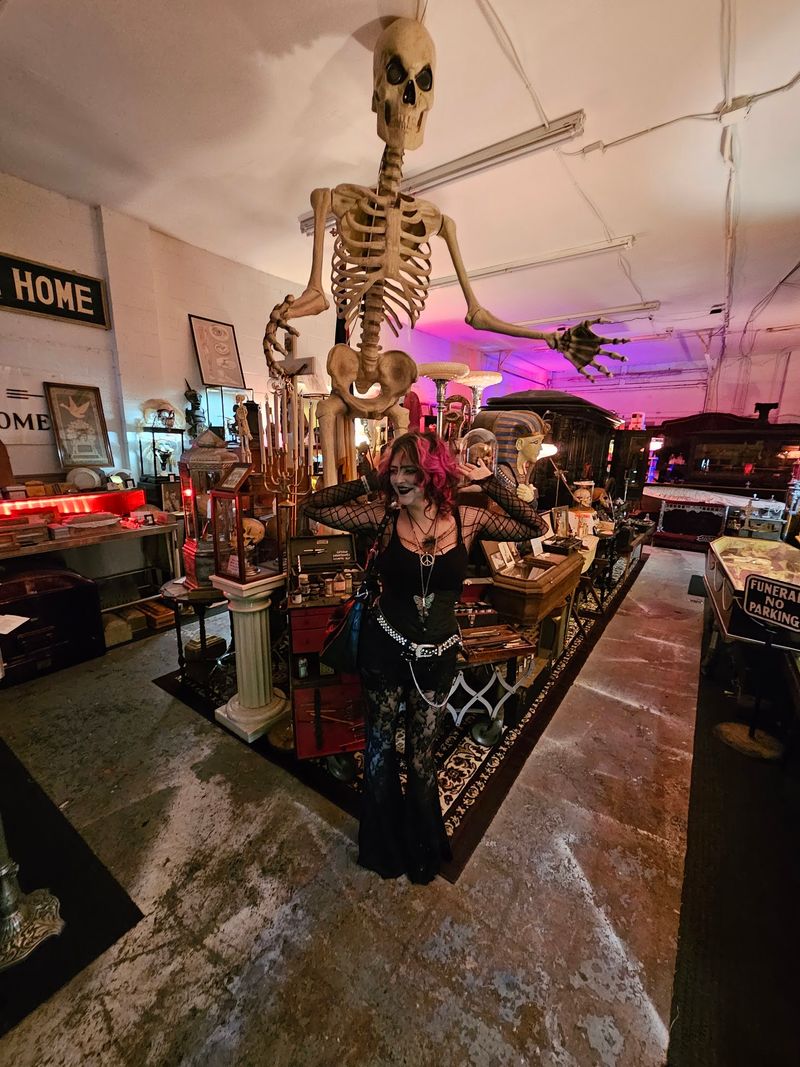
Warmth is not the first quality everyone expects from a museum about death. Still, friendly conversations are a recurring theme in the supplied reviews, especially those describing time spent with the owner.
Visitors often call Todd informative, approachable, and willing to discuss the collection. Some recall hearing stories about individual pieces, while others appreciated help understanding what they were seeing.
That does not mean a private tour or a long conversation comes with every admission. One reviewer received a personal tour, but the available information does not establish that experience as a standard offering.
A better plan is to arrive with a few genuine questions and see what is possible that day. Asking about an object’s background or why it belongs in the collection can open a more useful exchange than simply asking which piece is the strangest.
Parents and grandparents may appreciate this aspect as much as anyone. Talking with someone who cares deeply about a collection can turn a shared outing into a discussion about collecting, preserving history, and following an unusual interest.
The personal welcome described by many guests adds an important counterweight to the subject matter. A place can deal directly with death while still making room for ordinary, friendly human connection.
An Oddities Shop With Its Own Appeal
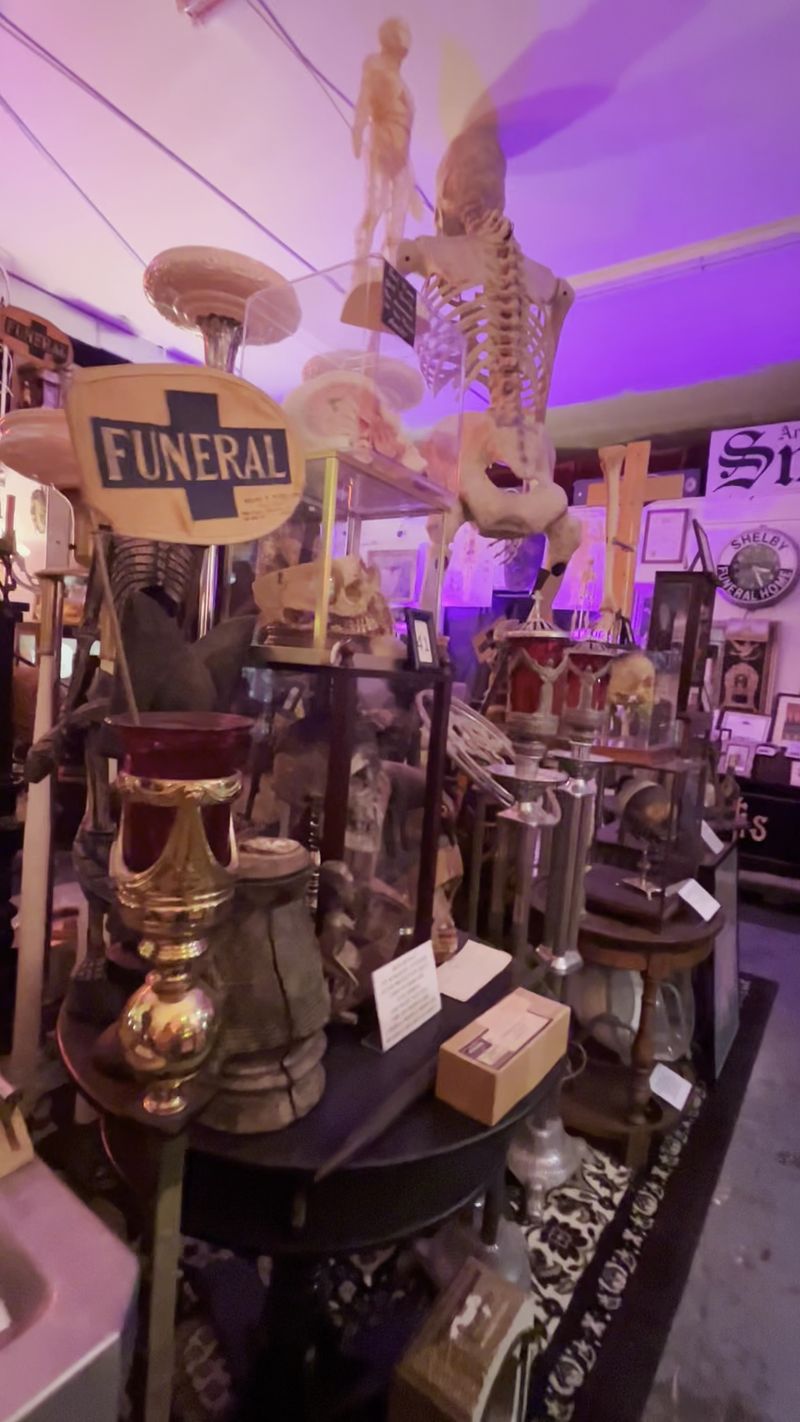
Browsing does not have to end when you finish the museum displays. Visitors consistently mention an attached shop, describing everything from jewelry and specimens to clothing and unusual decorative pieces.
Reported finds include bones, bugs, necklaces, rings, and larger works made by artists. Older reviews also mention T-shirts, VHS tapes, and other curiosities, though those accounts should not be treated as a current inventory list.
The variety gives different members of a group something to notice. Someone interested in jewelry may focus on a small wearable piece, while a collector might spend longer studying a specimen or an ornate object.
You can enjoy that browsing without deciding to buy anything. Comparing what each person finds appealing can be entertaining in its own right, especially after a museum visit that has already challenged everyone’s idea of an ordinary collectible.
If a material or an item’s origin matters to you, ask before purchasing. The supplied reviews do not provide enough information to verify the sourcing of the shop’s full range of goods.
Think of the store as a related part of the outing, not a promise of any particular souvenir. Its reported appeal lies in the unusual mix and the possibility of finding something you did not expect.
An Eerie Atmosphere for the Right Group
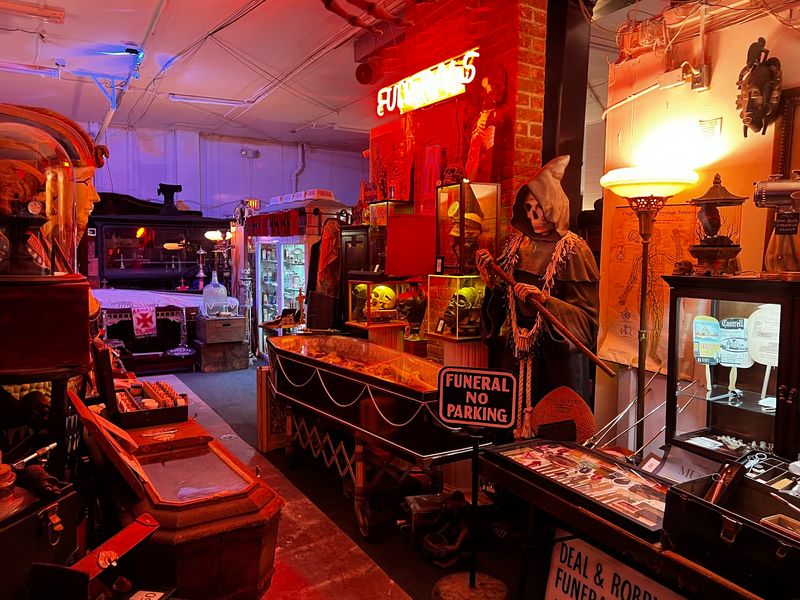
Comfort with the subject matters more here than enthusiasm for a typical museum day. Guests describe the atmosphere as eerie and beautiful, while one found the experience educational and even meditative rather than focused on shock.
There is an important limit to that reassuring description. Several reviews report an actual autopsy video playing in the museum, so visitors should not assume that everything they encounter will be non-graphic.
Before bringing children or anyone sensitive to medical imagery, call and ask about the current presentation. The supplied data gives no age policy, child-specific programming, or way to confirm whether a particular display can be avoided.
For Michigan parents and grandparents, the best decision is an honest one about the whole group. An older child interested in anatomy may be curious, while an adult may prefer not to see this material at all.
Explain the theme before arriving and make it clear that nobody has to prove they can handle it. Shared discovery works best when everyone has room to set a boundary.
For people who are comfortable, the reward may be a thoughtful conversation rather than a thrill. This is an outing to choose for its actual subject, not simply because it sounds unusual.
Hours, Admission Questions, and the Trip There
A little checking ahead will make this unusual stop easier to plan. The supplied operating schedule lists Thursday and Friday hours as noon to 6 p.m., Saturday as noon to 8 p.m., and Sunday as noon to 5 p.m.
Monday, Tuesday, and Wednesday are listed as closed. Confirm the schedule before traveling, especially if the museum is the main reason for your trip.
Use 292 Cass Ave, Mt Clemens, MI 48043 as your navigation destination. The supplied phone number is +1 586-935-2159, which is also the most direct option provided for checking admission and other visit details.
A review from three years ago reports adult admission of $10. That is a historical price, not a verified current rate, and the supplied information does not establish today’s admission cost or any discounts.
Parking arrangements, public transit directions, and accessibility details are not covered in the available data. Ask about any specific needs before leaving rather than assuming the setup will work for your group.
Allow room to browse without rushing toward closing time. Reviews range from describing a small museum to saying there are hours of things to examine, so your interest in the labels and collection will shape the visit.
A Memorable Stop for Thoughtful Curiosity
Some outings leave you with a favorite photo; this one may leave you with a better question. The Anatomy of Death Museum brings funeral objects, medical history, and personal collecting together in a way visitors often describe as both absorbing and educational.
The supplied Google Maps listing shows 4.9 stars from 833 reviews. Many accounts praise the collection, its explanations, and the welcome they received, although a strong rating does not mean the subject will suit every visitor.
Its clearest appeal is to people who want to look closely at things usually kept outside everyday view. Funeral carriages and autopsy tools may provide the initial draw, but the labels and conversations can give that curiosity more substance.
For a multigenerational Michigan outing, choose companions by interest and comfort rather than age alone. Parents and grandparents deserve a visit that engages them, and younger relatives deserve a clear idea of what they may encounter.
Check the current details, discuss the sensitive material, and arrive ready to read rather than race through. There is no need to turn the experience into a dare.
If the theme speaks to you, this Mt. Clemens museum offers a distinctive reason to pause, pay attention, and keep talking on the way home.
Share this story