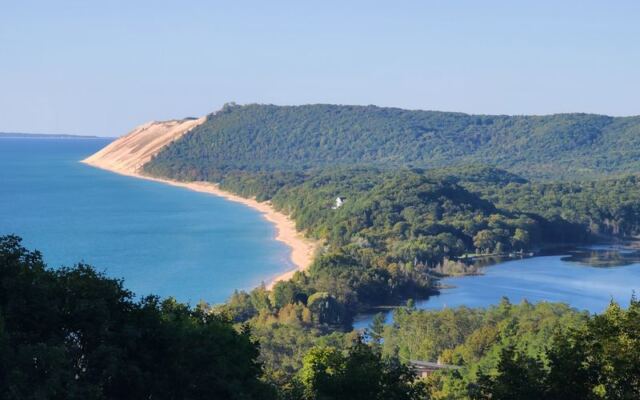
Most sledding hills in Michigan are made of dirt and grass, but one stretch of shoreline near Empire is built from towering piles of sand. Those same slopes that pull in summer hikers also draw families who want a winter outing that feels a little unusual, and a lot more memorable.
Grandparents get the views and the history, parents get a workout, and kids get bragging rights about a hill that is actually a dune. Keep reading for where to go, which spots matter most, and the practical details that make a trip easier.
A Lakeshore Address Worth Writing Down
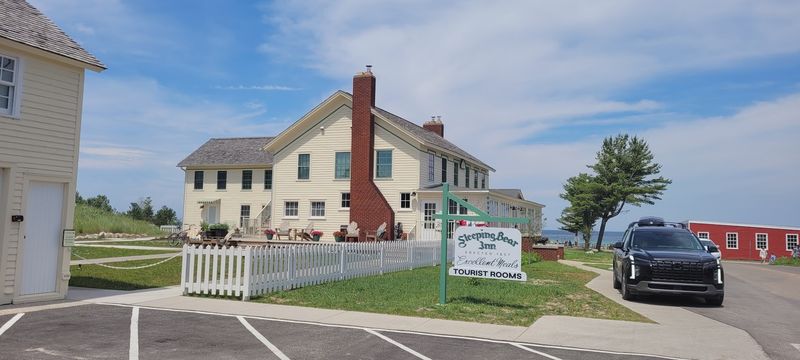
Every good outing starts with a pin on the map. This one lands at Sleeping Bear Dunes National Lakeshore, 9922 W Front St, Empire, MI 49630, in the northwest corner of Michigan’s Lower Peninsula.
The address points to the park’s visitor center in the small town of Empire. That is the natural first stop, since staff there hand out maps and help families sort out which areas fit their plans for the day.
The lakeshore itself stretches well beyond one building. It covers dunes, bluffs, beaches, trails, and a scenic drive along Lake Michigan, so a single trip can look very different depending on where a family heads first.
Park rangers and staff are known for being friendly and helpful. For first-timers, a quick chat at the desk can save a lot of guessing later.
Empire sits close enough to the main attractions that families can grab their maps, get oriented, and be standing near the dunes not long after. It is a compact starting point for a place that feels anything but small.
Write that address down, because the rest of the day builds from here.
Sand Hills That Tower Over Lake Michigan
Some hills earn their reputation slowly. These ones simply rise out of the shoreline and make their point right away.
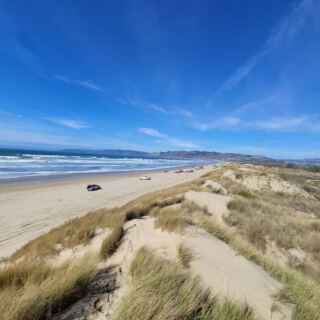
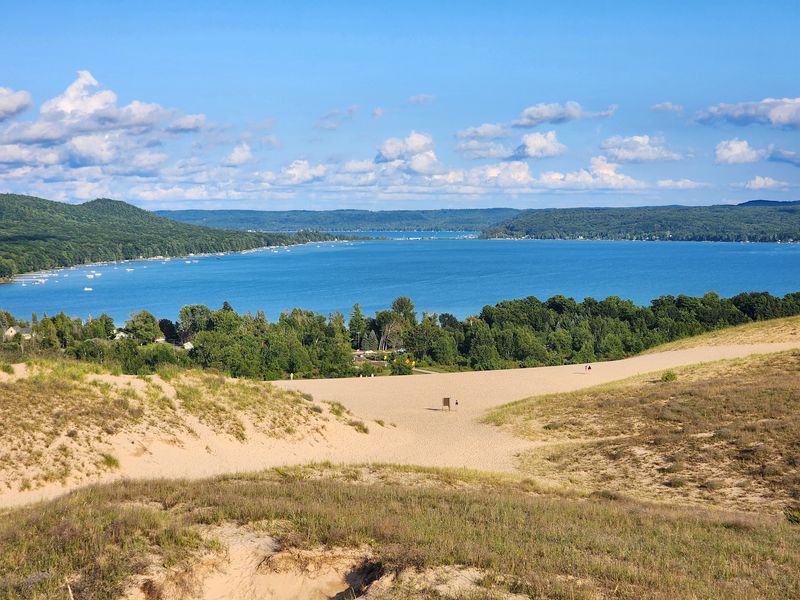
Sleeping Bear is known for lakeside sand hills with sweeping views, including scalable sandy bluffs that sit about 450 feet above Lake Michigan. That height is what turns an ordinary walk into a family story worth retelling.
The water below is often described as a striking mix of blue and green. From the top of the dunes, the view stretches across the lake in a way that many people call the best look at Lake Michigan they have ever had.
Beyond the big bluffs, the park offers beaches and stretches of shoreline to explore. The water quality is considered good for swimming and water activities in the warmer months.
For kids, the size alone is the hook. For adults, it is the panoramic scenery and the sense of standing somewhere truly unusual in their own home state.
A few minutes at the edge of these bluffs usually explains why the dunes show up on so many Michigan bucket lists. The next question is how to get down them, which is where the fun really begins.
Sleds On Sand, A Very Michigan Twist
Ask a Michigan kid where they went sledding, and most will name a neighborhood hill. A few lucky ones get to answer with a national lakeshore.
The dunes at Sleeping Bear are famous for one simple pattern: climb up, then run down. That same up-and-down rhythm is what makes the slopes appealing to families who show up in winter with sleds in tow.
The appeal is easy to understand. The hills are real dunes, not a groomed park slope, and that alone turns a routine afternoon into something kids remember for years.
Grandparents often enjoy the outing for a different reason. Watching the next generation take on a hill they may have climbed decades ago brings a dose of nostalgia that no backyard slope can match.
Parents get to join in rather than just hold the coats. The climb back up is the same leg-burning challenge it is in summer, so everyone earns their next ride.
Safety matters on any steep slope, so families should stick to sensible areas and skip the big bluffs that drop toward the lake. The most dramatic drop is better for looking than sliding.
Pack the sleds, but pack patience for the walk up too.
The Dune Climb And Its Famous Workout
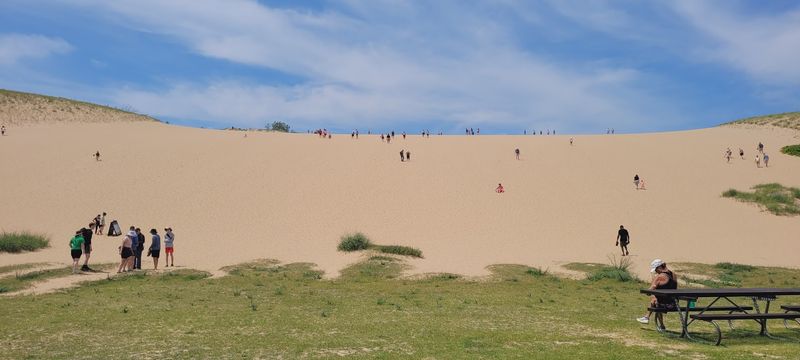
Calves have opinions about the Dune Climb. They usually share them about halfway up.
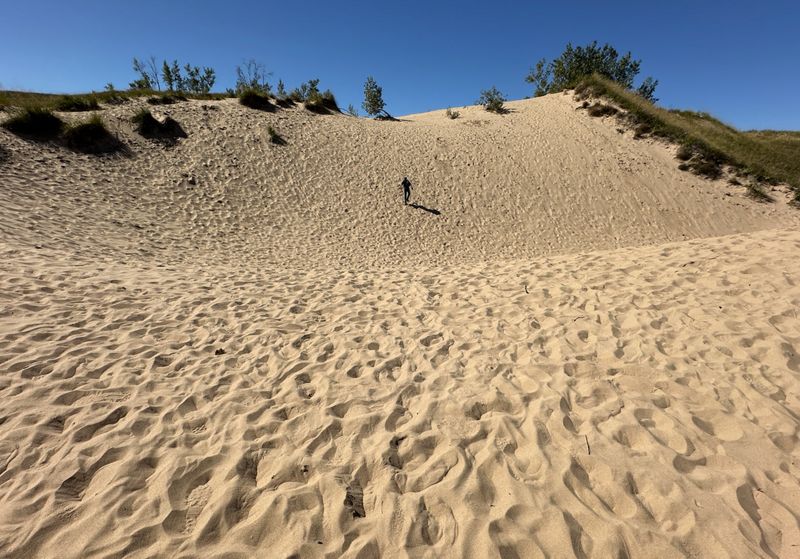
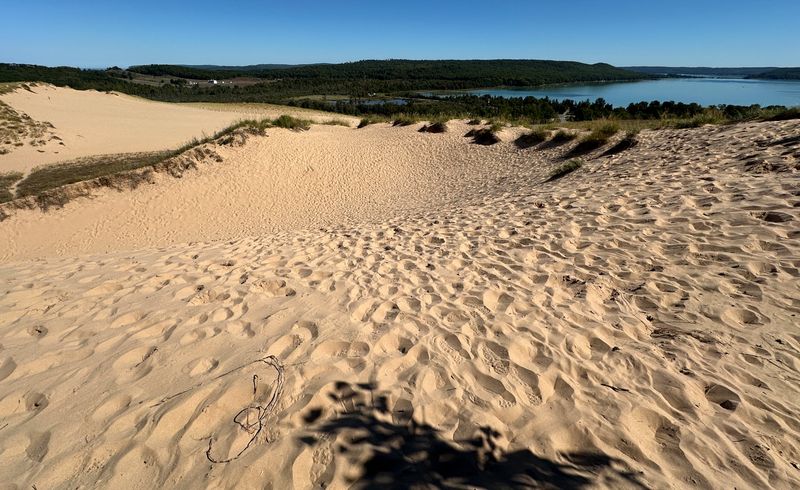
The Dune Climb is one of the most talked-about spots in the park, and for good reason. The big dune sits inside the park, and reaching the top is a serious workout that leaves legs tired by the final steps.
Sand makes everything harder than it looks. Each step slides back a little, so families should take their time and stop for breaks along the way.
The reward is a real sense of accomplishment, plus wide views once the top is reached. Many people say that feeling of standing at the summit makes the effort worth every step.
For mixed-age groups, the climb works because there is no rule about how far anyone has to go. Younger kids might race ahead, while grandparents choose a comfortable spot to rest and cheer.
Good shoes and water are the two essentials here. A hat and sunscreen help on brighter days, and something to lean on can make the steeper parts easier.
The trip down is the quick part. Getting back up is the part everyone talks about at dinner.
A Scenic Loop Built For Slow Driving
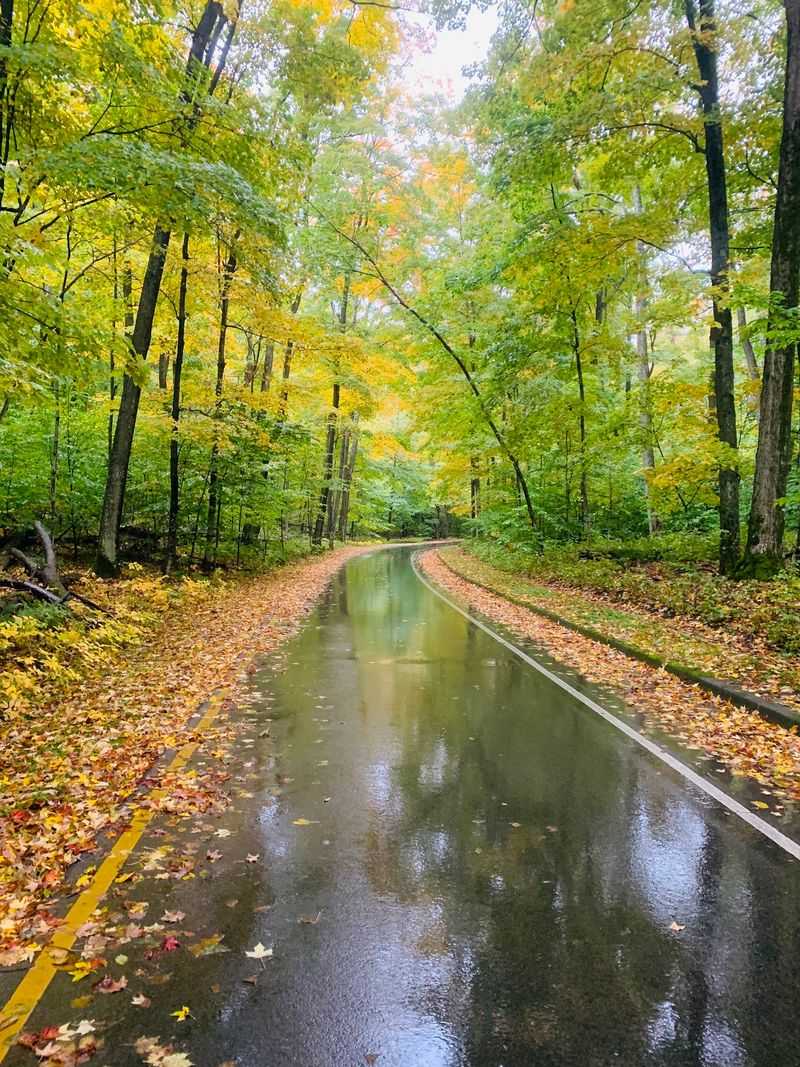
Not every great view requires a climb. On the Pierce Stocking Scenic Drive, the car does most of the heavy lifting.
The scenic drive is one of the park’s best-loved features, a loop that winds through the lakeshore and stops at a series of overlooks. Many people say the drive is just as impressive as the hikes.
Families who want a gentler day often build their plans around this route. It is a smart choice for grandparents, small children, or anyone saving their legs for a later climb.
The best approach is to treat each numbered stop as part of the adventure. Pull over at every overlook, step out, and take in the scenery before moving on.
The drive also includes access to a roughly 1.5-mile hike through the dunes. That gives active family members a chance to stretch out while others enjoy the views closer to the car.
Once families are inside, there tends to be little traffic along the loop itself. That makes it easy to go slowly without feeling rushed.
It is the kind of route where the destination keeps changing, one overlook at a time.
Stop Number Nine And The Big Drop
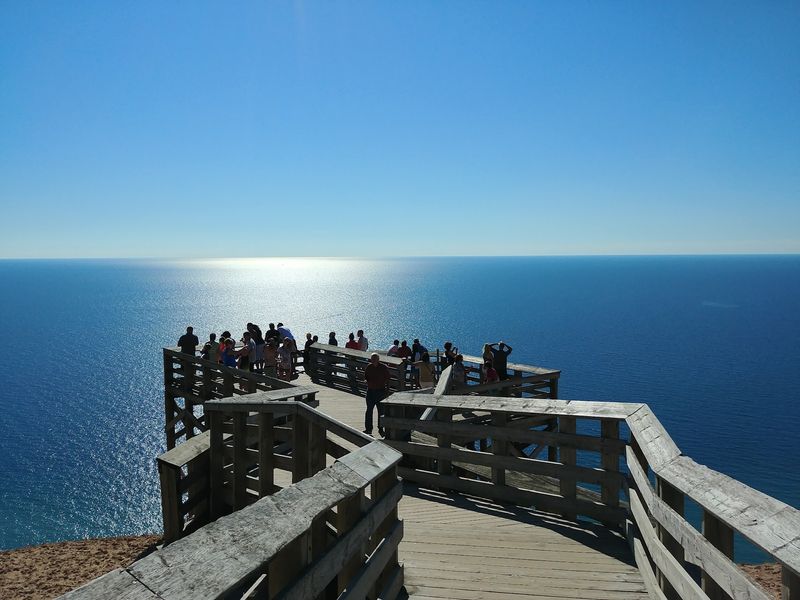
Three minutes down, eighteen minutes back up. Those numbers sum up the most famous stop on the drive.
Stop number nine on the Pierce Stocking Scenic Drive leads to the Lake Michigan Overlook. Here the dune drops about 450 feet down to the water, and the view across the lake is the one many people come to see.
Some choose to head down the slope to the shoreline. The trip down goes fast, but the return climb is a long, steep slog that can take close to twenty minutes without stopping.
For most families, especially those with young kids or older grandparents, the smart move is to stay at the top. The overlook itself delivers the payoff without the risk.
Those who do head down should treat it as a serious choice, not a casual stroll. Anyone tempted should be honest about their fitness before taking the first step.
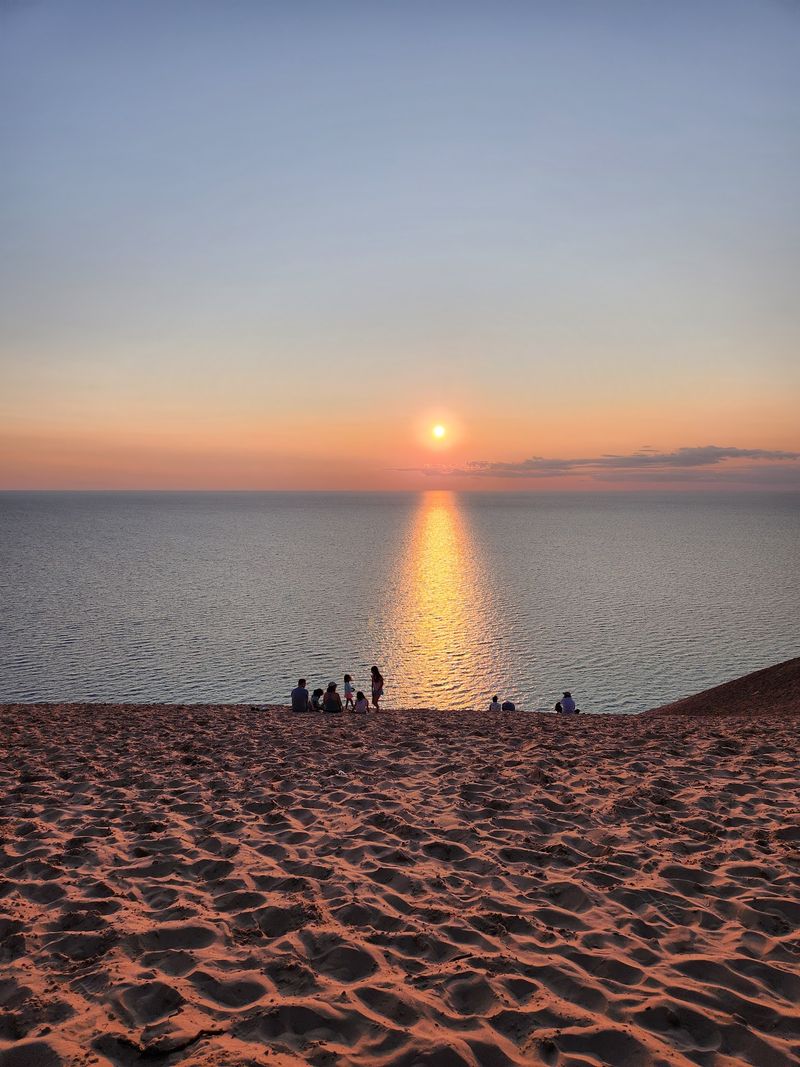
The higher overlooks along this stretch are also considered a top spot for watching the sunset. Grown-ups who love photography tend to linger here longer than anywhere else.
Simply looking from the edge counts as a full experience. Nobody has to prove anything to the dune.
Trails For The Restless Hikers In The Family
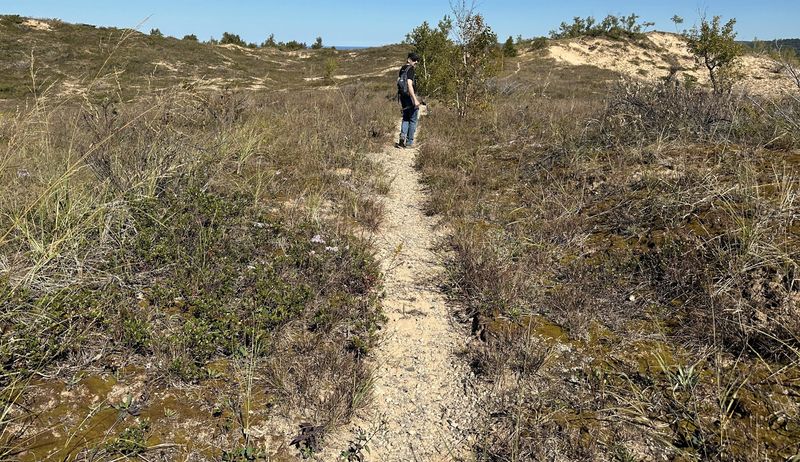
Hiking comes up more than any other topic when people talk about this park. That is a strong hint about how to spend extra time.
The Empire Bluff Trail is a favorite, with views of the dunes and the lakeshore along the way. It suits families who want a hike that ends with a big scenic payoff.
Another popular route through the dunes runs about 3.5 miles round trip. Walking in sand, up and down the dunes, makes it tougher than the distance suggests, so water is a must.
Along the trails, flowers and berries add color to the route in the warmer months. Kids tend to enjoy spotting them, which helps break up the longer stretches.
Ambitious groups can string several trails together. Some hikers cover around 10 miles in a single day, collecting different views from each path.
Crowds vary a lot by trail. Some areas stay busy, while others feel almost empty, with only an occasional person passing by.
That variety is useful for families. A quieter trail can be a better match for toddlers or grandparents who prefer a slower pace.
Pick one trail well rather than rushing through three.
Calm Scenery That Works For Every Generation
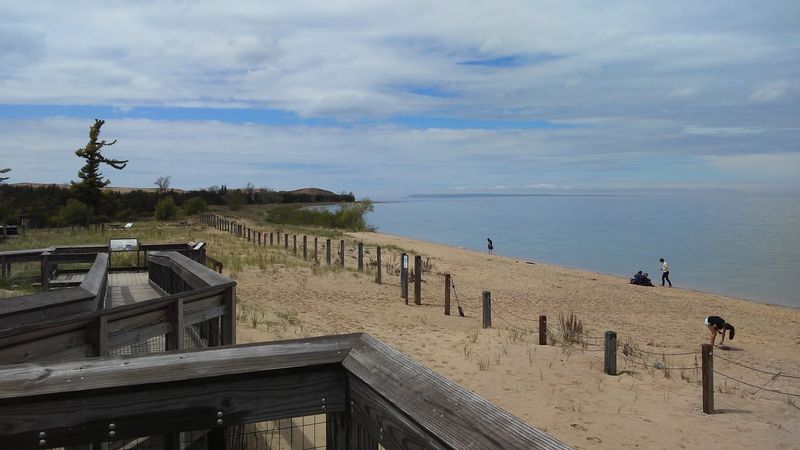
Family outings often come with a quiet trade-off. The kids have fun while the adults count the minutes, but this lakeshore tends to flip that script.
The atmosphere here is widely described as peaceful. The park feels clean and well maintained, which makes it easy for families to relax and enjoy the day.
It works for a wide mix of people. Families, nature lovers, and photographers all find something to do, and that overlap is what makes it ideal for groups spanning three generations.
Grandparents can settle in at the overlooks and enjoy the scenic drive at their own pace. Parents can push themselves on the climbs, and kids can burn off energy on the sand.
The shared moments are what stick. Reaching the top of a dune together or watching the sun drop over the water becomes a memory everyone owns.
Many families call it one of the most beautiful places they have visited in Michigan. Plenty of them plan their next trip before they leave.
Nobody needs to be the designated chauffeur here. Everyone gets a reason to be glad they came.
Passes, Timing, And What To Pack
A little planning goes a long way at a park this popular. The good news is that the basics are simple.
The lakeshore is listed as open 24 hours, every day of the week. That gives families flexibility, especially those hoping to catch a sunset.
Entry for a vehicle runs about $25, and the pass is good for seven days. National park annual passes are accepted, and payment can also be made online by scanning a code at the gate.
Timing matters more than many expect. The line of cars at the entrance can get very long, while later in the day it may be empty, so arriving closer to sunset is often recommended.
Weather can change the experience too. Fog can hide the views on some days, so checking conditions before heading out is wise.
The packing list is short but important:
Water, sturdy shoes, sunglasses, a hat, and sunscreen. Families with sleds should add them to the trunk and dress for the season.
A stop at the visitor center in Empire for maps is a smart first move. It helps the whole day run more smoothly.
Why The Dunes Deserve A Spot On The Calendar
Some outings fade from memory by the following weekend. A day on these dunes tends to stick around much longer.
Sleeping Bear offers something rare in Michigan: huge sand hills, wide lake views, and room for every member of the family to choose their own level of adventure. That combination is hard to find in one place.
Families who want a challenge can tackle the Dune Climb or a longer trail. Those who want a lighter day can follow the scenic drive and stop at every overlook.
The idea of sliding down real dunes adds an extra layer of fun. It gives kids a story and gives adults a chance to play along instead of watching from the sidelines.
An evening finish at Empire Beach for the sunset is a favorite way to close the day. It is a calm ending after all that climbing.
Many people call it a must-see at least once. Plenty more end up coming back again and again.
Grab the maps, pack the water, and bring the whole crew. The dunes have been waiting a very long time, and they are not going anywhere.
Share this story