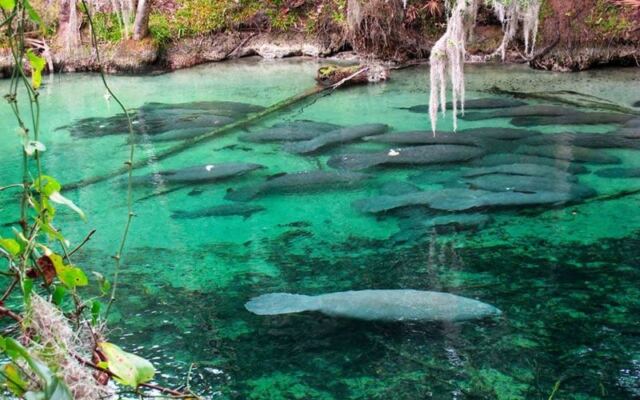
Some Florida mornings start with a line of cars waiting at a park gate before 8 AM, and nobody in that line is grumbling. They are there for manatees, sometimes dozens of them, resting in a clear spring run right below a long wooden boardwalk.
No boat ticket, no charter, no captain required. On a good January day, more than 30 of these slow-moving giants can share the water at once, and the best seat in the house costs only the price of park entry.
This article covers where the spot is, when the manatees show up, what else there is to do once the crowd thins, and the one booking step that can make or break your visit. Grandparents, couples, and kids each find their own reason to stay a while.
A Spring Run on the St. Johns River
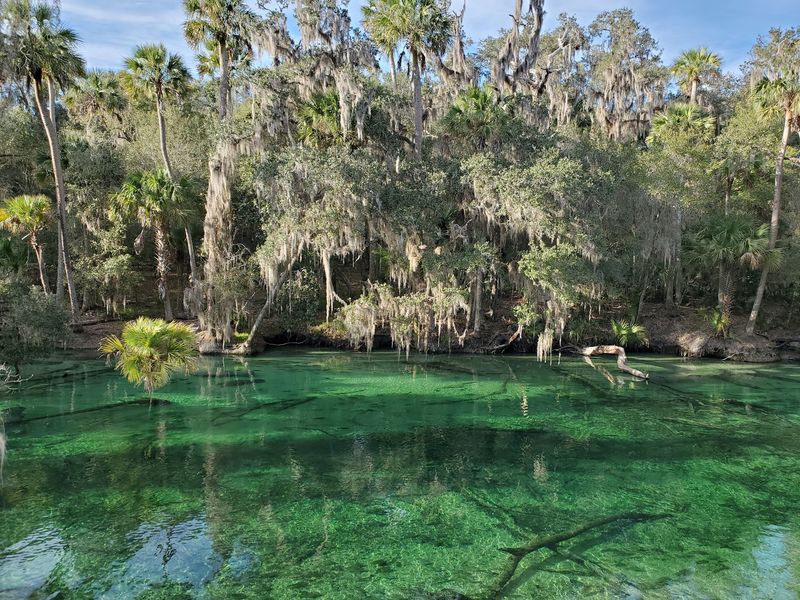
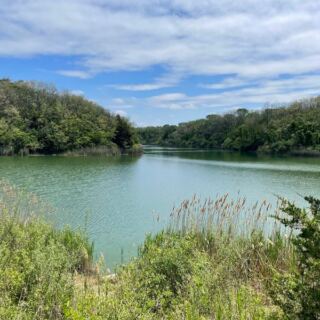
Central Florida hides one of its best wildlife shows in plain view at Blue Spring State Park, a state park in Florida, United States, set beside the St. Johns River.
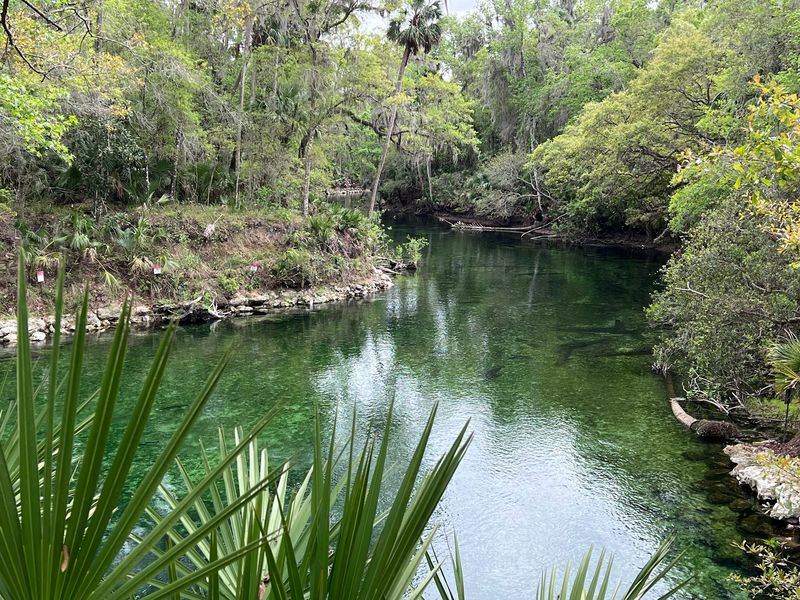
The heart of the park is a spring that feeds a clear water run flowing out to the river. That run becomes a winter refuge for manatees, and a boardwalk follows it from the swimming area all the way to the headspring.
The park is officially described as an outdoor sanctuary for water activities. Swimming and kayaking are the big draws in warmer months, while manatee viewing takes center stage when the weather cools.
Thousands of people talk about this place, and the word that comes up most is simple: manatees. It appears more often than swimming, kayaking, and alligators combined.
So what makes a state park on a river turn into a manatee magnet? The answer lies in the water itself, and in a boardwalk that puts everyone right above the action.
The Winter Manatee Crowd
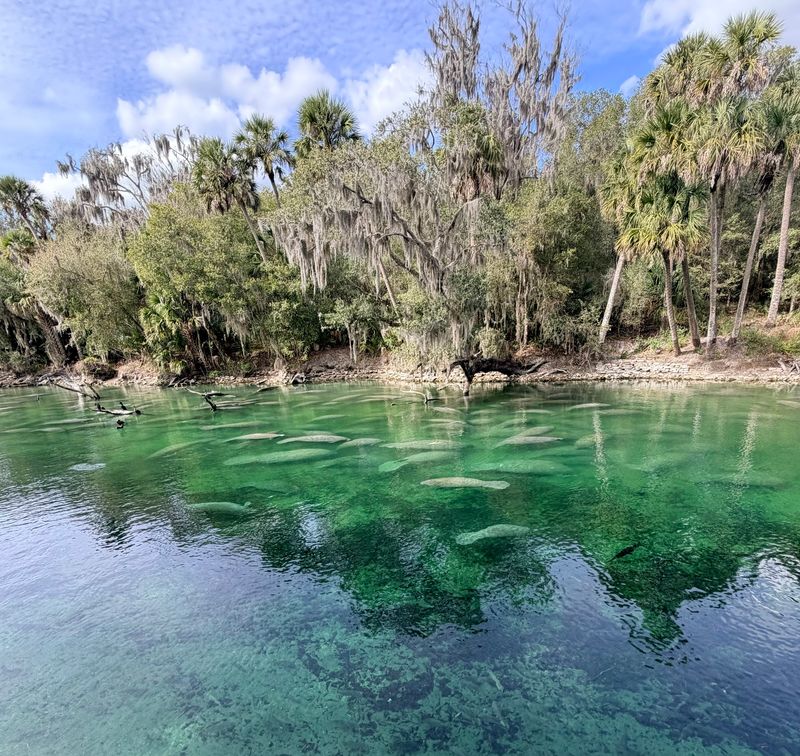
Numbers tell the story best here. On some winter days, the manatee count has topped 50, and groups of 30 or more have been spotted at one time.
January stands out as a prime month for viewing. Mornings in that month can bring a long wait at the gate, sometimes around 30 minutes, and the trade feels worth it once the animals come into view.
Manatees are not strictly winter guests, though. Sightings have happened in August too, with a single animal drifting through, and early season visits can still turn up a pair.
Nothing is guaranteed, and some days end with zero sightings. Families who came up empty still left happy, which says plenty about the rest of the park.
For a lifelong manatee fan, the winter crowd here is the kind of bucket list moment that tends to live up to the hype.
Front Row Seats on the Boardwalk
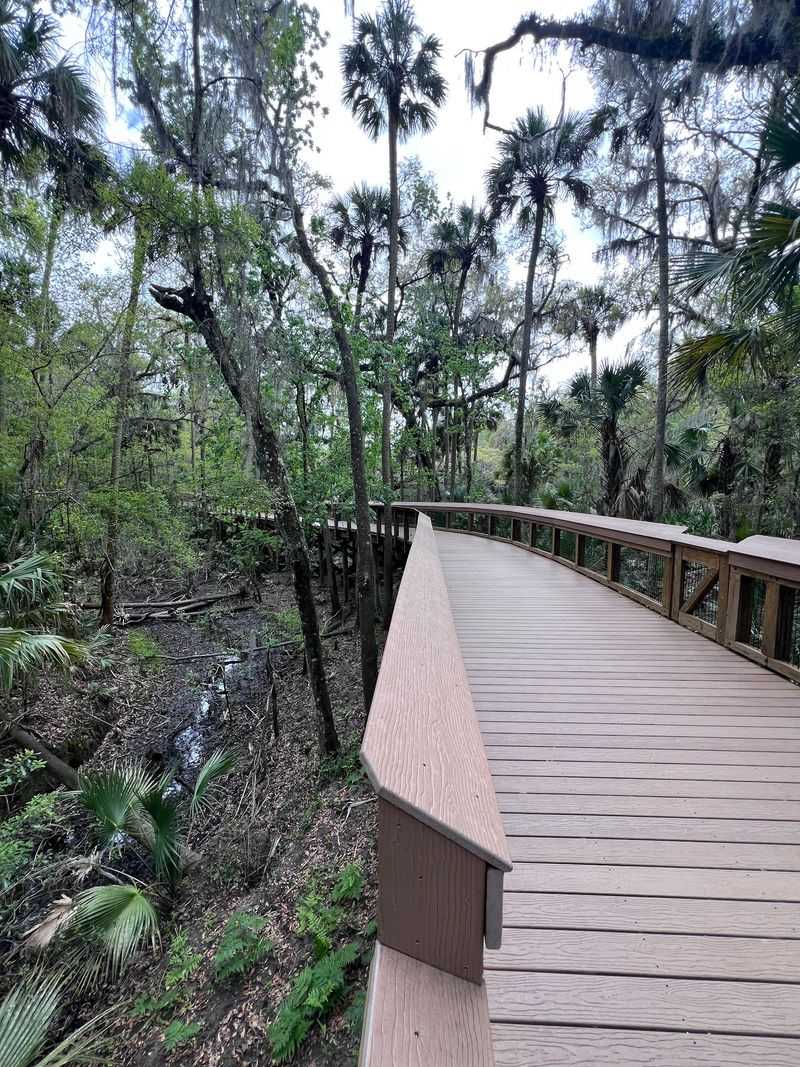
Here is the part that saves you a boat ticket. The boardwalk runs alongside the spring with plenty of spots to stop and look down at the manatees below.
It is long, and walking the entire length is a smart move. The far end delivers a view of the headspring from above, a spot swimmers cannot enter.
Accessibility is a real plus. The boardwalk is wheelchair friendly, which makes it a strong pick for grandparents or anyone who needs a smooth path.
One thoughtful touch shows up in hot months. Misters along the boardwalk help cool the surface for bare feet heading to the water.
Plan for pauses rather than speed. The boardwalk rewards slow walkers who stop often, because the next bend may hold the animal everyone came to see.
Gators, Gar, and Other Neighbors
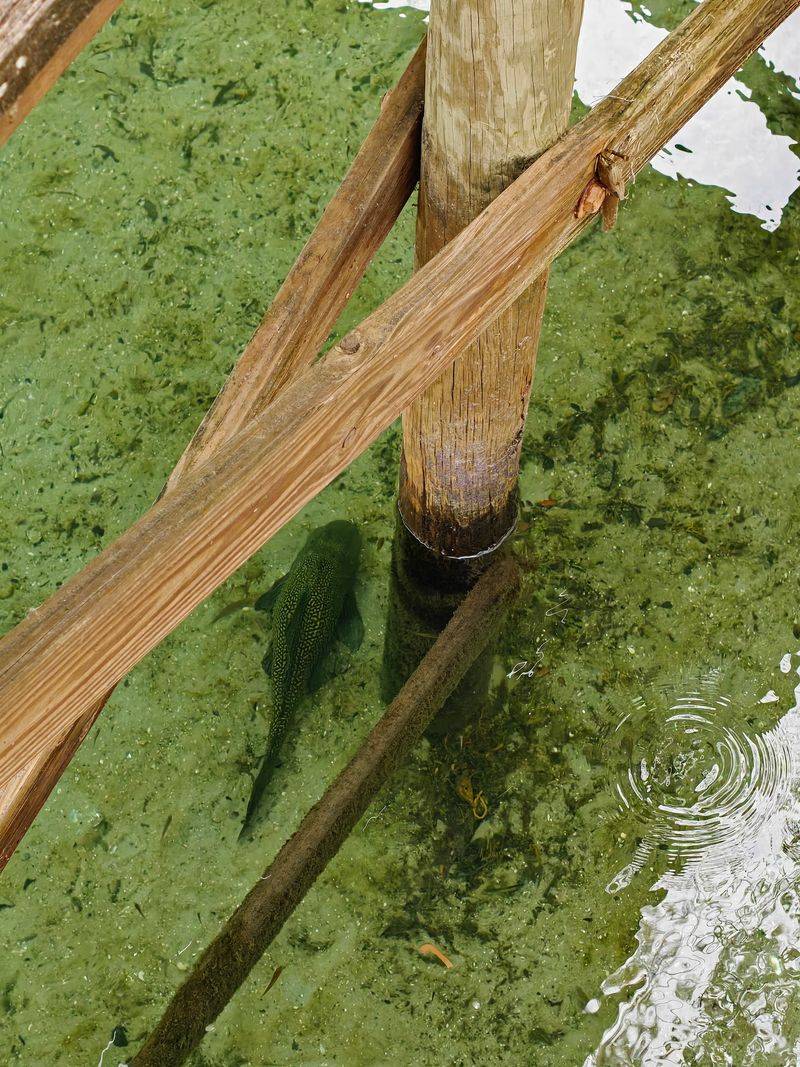
Manatees get top billing, yet the supporting cast is busy. Alligators show up often enough to earn hundreds of mentions on their own.
Fish are everywhere in the clear water. Catfish, cichlids, alligator gar, and bluegills all make appearances, and some of the catfish are enormous.
Otters have been spotted too. On the trails, deer, wildflowers, and wild blueberries add to the list.
A clever trick for wildlife fans is timing. Some locals come in the evening once the swimmers leave, when fish and gators in the spring are easier to watch in the quiet.
Kids tend to count species like trading cards. Adults usually end up just as invested, debating whether that dark shape is a gar or a very ambitious catfish.
Swimming the Spring Loop
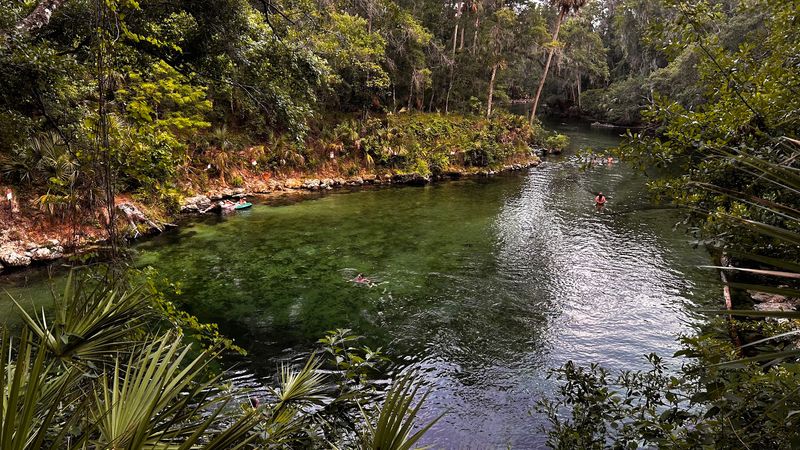
Warm weather flips the script. The spring becomes a swimming hole, with up to a hundred swimmers on busy weekend days.
The setup works like a loop. Walk the boardwalk to the sign marked Last Point of Water Entry, then head down a few steps into the water.
Swim right and you move gently against the current toward the spring. Float left and the current carries you for roughly 15 minutes to an exit point, then you can walk back and repeat.
Goggles are a smart addition, since the fish are a highlight underwater. Expect chilly water at first and a few deep areas, so weaker swimmers should stay alert.
Every so often, manatees glide through the swimming area toward the head of the spring. Swimming is generally a warm month activity, since winter belongs to the manatees.
Paddles, Tubes, and Trails
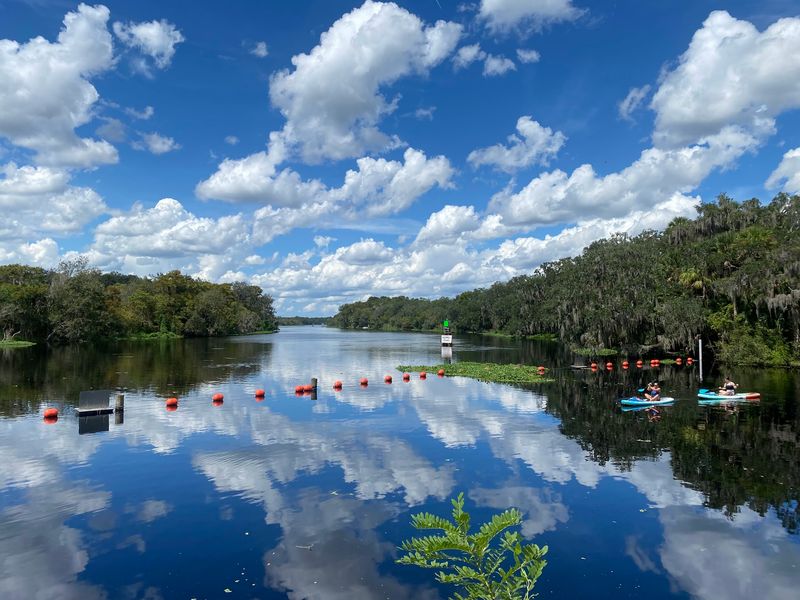
Not everyone wants to get wet, and that is fine. Kayaking is a popular option, and a two hour paddle has drawn plenty of praise.
Rentals are available for tubes and paddle boards. Tubes have run about $7 per person per hour, and you can also bring your own floats.
Hikers get three trails to choose from. The Pine Island Trail is mostly flat, with a mix of shade and open stretches, plus benches and educational plaques along the way.
Bring a hat and sunscreen for sunny afternoons. Check the information board near the entrance for special events, such as guided hikes after dark.
Boat tours also operate in the area for those who want one. The beauty here is that they are a bonus, not a requirement.
Picnics, Grills, and Cabin Stays
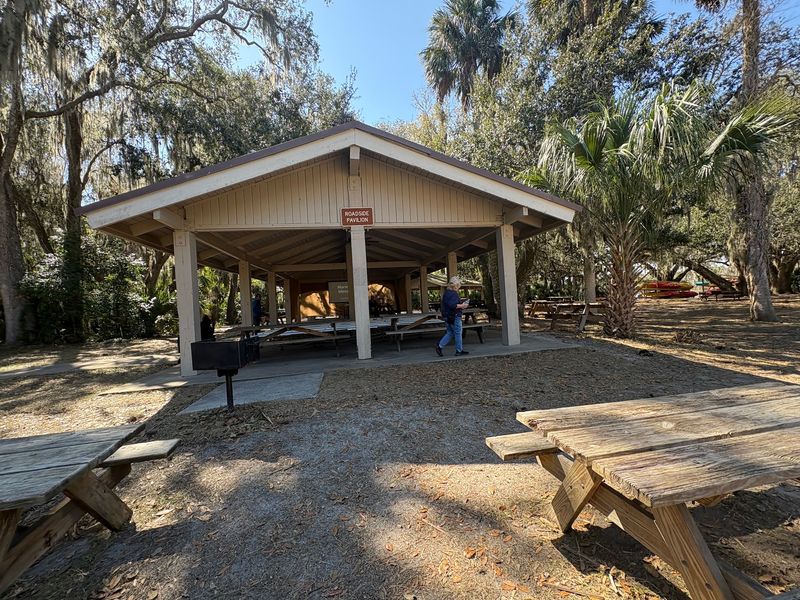
A day here can stretch easily. The lawn is a favorite spot for a meal after walking the full boardwalk.
Picnic tables and barbecue grills are scattered around, so a family cookout fits right in. A snack bar serves made to order basics, and a gift shop sits nearby.
Facilities lean rustic but clean. Expect changing cubicles, restrooms including flush toilets, and lockers for a few dollars.
Overnight guests have another option. The park cabins are clean and updated, with linens provided, a kitchen stocked with pots and pans, and working air conditioning.
Rangers regularly check the grounds, which adds a sense of safety. It is the kind of setup where grandparents grill, kids swim, and everybody meets back at the table.
Reservations, Hours, and the $6 Gate
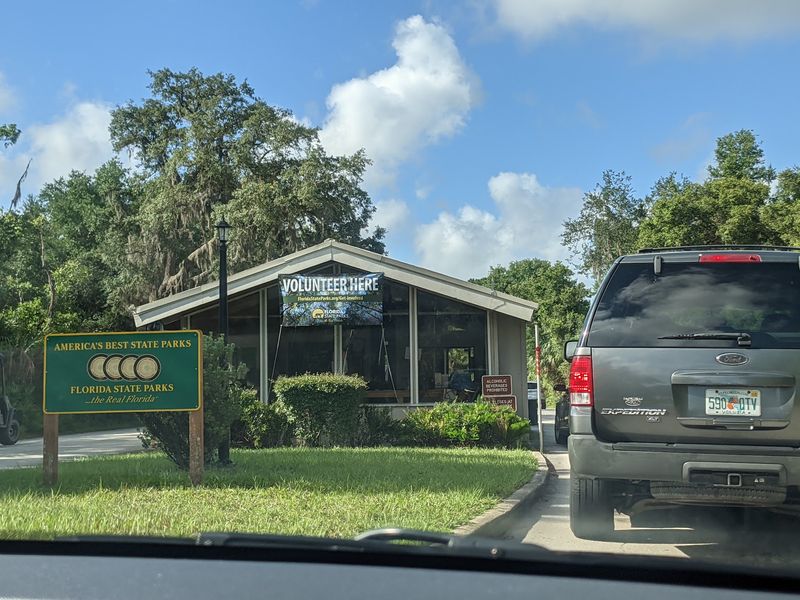
Here is the step that trips people up. You need to reserve and pay for entry online ahead of time, because the park has a maximum capacity.
The reservation provides a barcode for admission. No barcode means no entry, so book through the Florida State Parks website before you leave home.
Admission has been $6 per car. Lifetime pass holders should sort out the online system in advance, since it can be confusing at the gate.
The park is open daily from 8 AM to 6 PM. On winter weekends, arriving before opening is wise, as lines form early.
Plan on about an hour to see the main sights. Swimming, floating, and picnicking can easily push that to several hours.
Worth the Drive for Every Generation
Value is easy to measure at this park. For the cost of one car entry, a whole group gets a shot at seeing wild manatees without paying for a boat.
It also works as a road trip pit stop. Travelers driving across Florida stop for a few hours to swim, stretch, and break up the miles.
The appeal crosses age lines. Kids get fish, gators, and floating, while adults get trails, wildlife, and a quiet boardwalk stroll.
Expectations matter, though. Manatee sightings vary, weekends get busy, and the reservation step cannot be skipped.
Get those details right and the reward is simple. A clear winter morning, a long boardwalk, and a spring full of gentle giants is a hard outing to top.
Share this story