Most people would rather talk about taxes than funerals. Yet in a quiet river town in southeast Ohio, a small museum has found a way to make the topic surprisingly easy to explore.
Inside, polished horse-drawn hearses stand beside vintage Packards, and one of those cars even had a role in a Hollywood film. The tour costs nothing, the guide knows his subject inside and out, and the stories range from old customs to a family link with a famous TV deputy.
It is not spooky, and it is not gloomy. It is a friendly, history-packed hour that answers questions most of us never thought to ask out loud.
Keep reading to learn what makes this hidden stop so memorable, how to book a visit, and why history fans keep calling it one of the most unusual outings in the state.
A River Town Address With An Unusual Collection
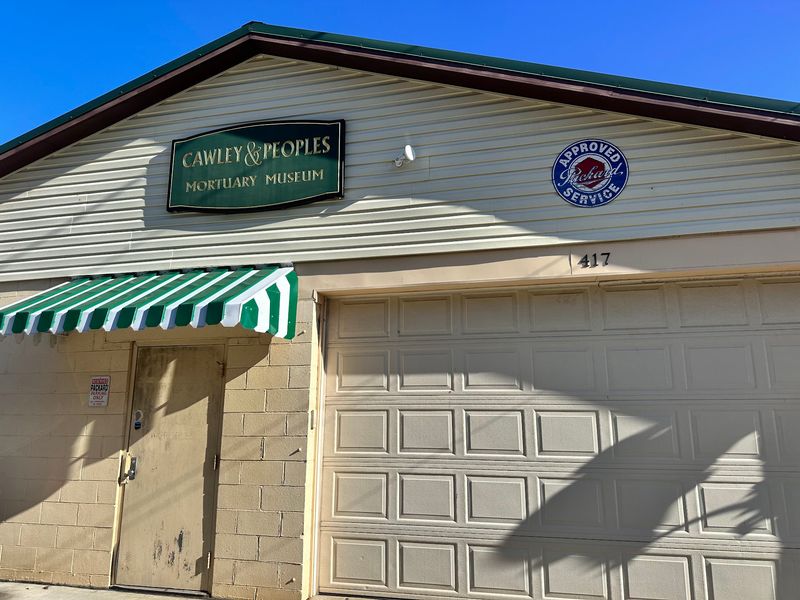
Some of the best history lessons hide in the least expected buildings. The Cawley & Peoples Mortuary Museum sits at 417 2nd St, Marietta, OH 45750, in the United States.
Marietta is a historic town in southeast Ohio, close to the West Virginia line. It draws weekend travelers who come for its old streets and riverside setting.
The museum is listed as a history museum, but its focus is very specific. It tells the story of funerals and how they changed over the years.
At its core, it is a private collection. The pieces belong to Bill Peoples, a local mortician who has gathered them with real care.
That personal touch shapes everything about a visit. There is no big ticket booth, no crowded gift shop, and no rushed schedule.
Instead, the museum works on an appointment basis, with guided tours that feel more like a conversation than a lecture.
The setup is modest in size. Still, the collection inside has earned a 4.9-star average from 76 people on Google Maps, which is a strong sign that small can be mighty.
For a place that deals with a topic many people avoid, that kind of warm reception says a lot about how the subject is handled here.
Generations Of A Family Business
Behind every great collection is a person who simply could not stop gathering things. In this case, that person comes from a family that has worked in the funeral trade for generations.
Bill Peoples is both the owner and a working mortician in the Marietta area. The museum is not his main job, which makes his dedication to it even more notable.
The collection offers a look into a family business that has carried on through many years. That long history gives the tour a grounded, personal feel.
Guests often come away struck by how proud he is of what he has assembled. The pride is earned, given the condition and range of the pieces on display.
His approach to the profession also stands out. His passion for caring for families comes through in how he talks about the work, and many find that reassuring.
That balance of professional knowledge and personal history is what turns the visit into something richer than a walk past old objects.
It is less a museum about an industry and more a museum about people, and the ways communities have honored their own over time.
Horse-Drawn Hearses In Showroom Shape
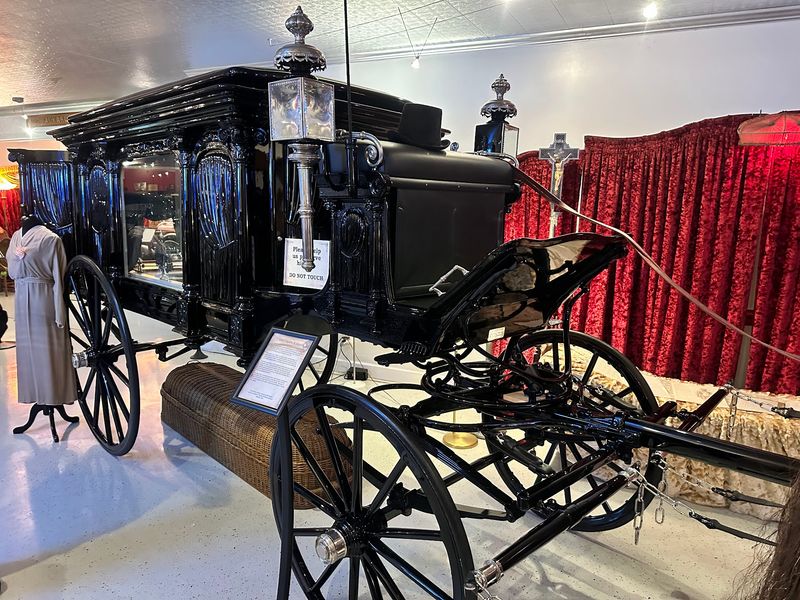
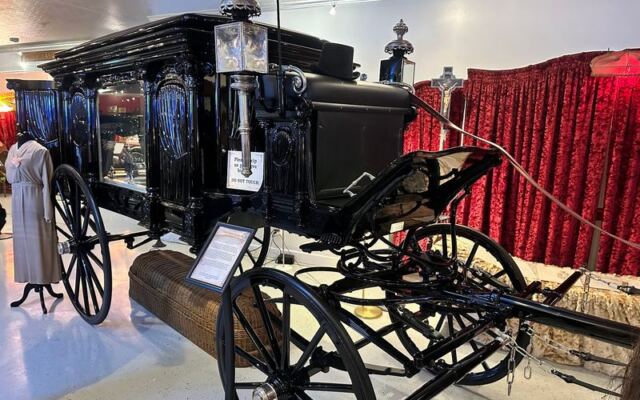
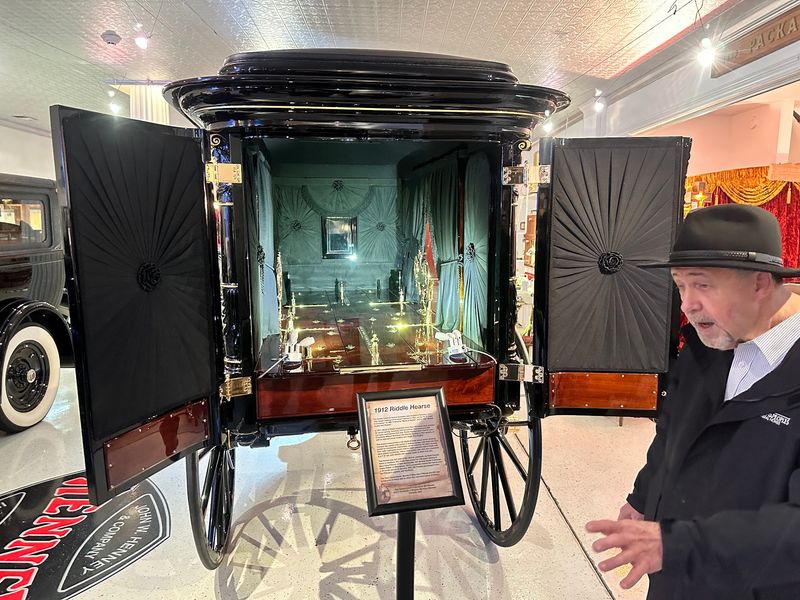
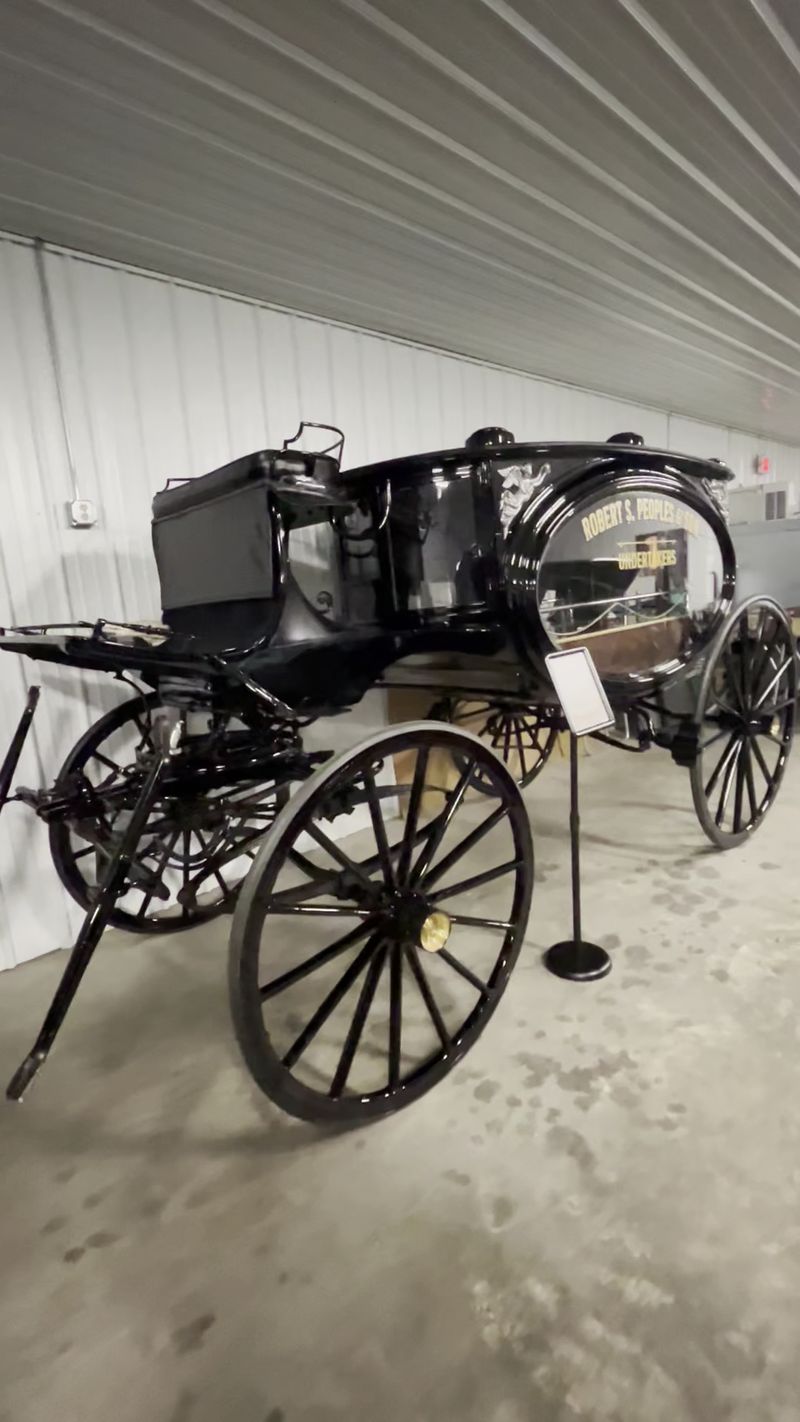
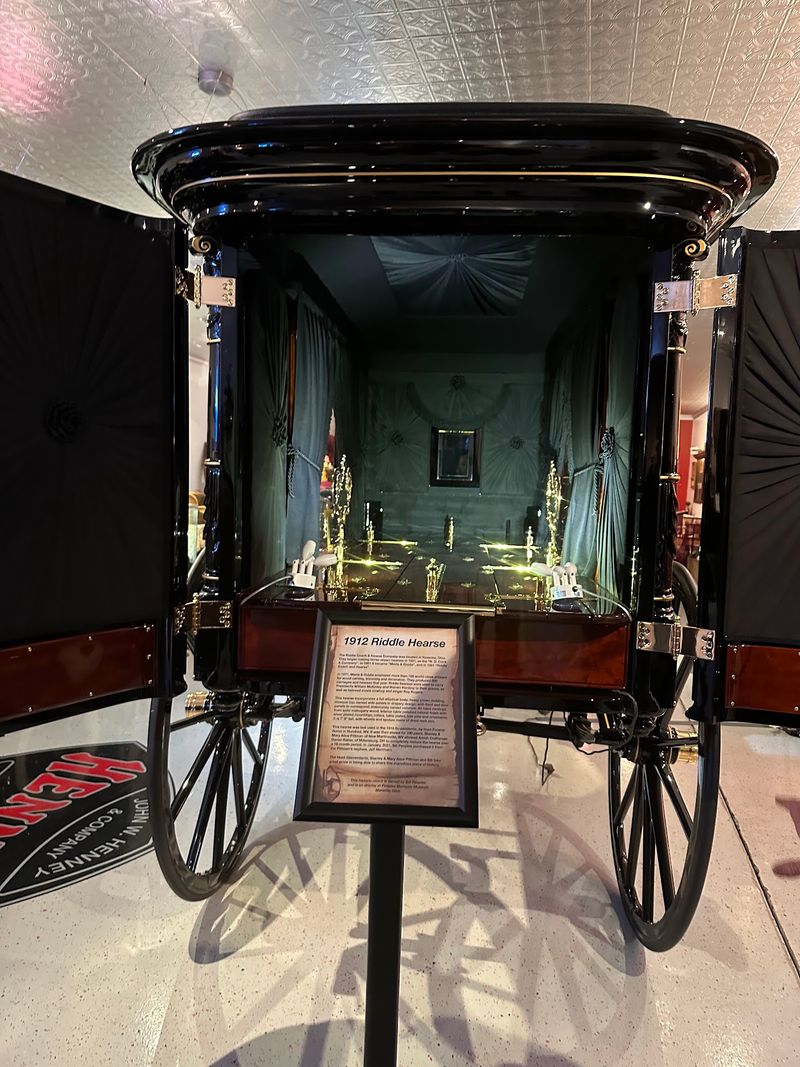
Long before engines, a funeral procession moved at the pace of a horse. The horse-drawn hearses here are among the most talked-about pieces in the whole collection.
Each one has been restored. The carved decorative wood on these coaches shows a level of craftsmanship that is rare to see up close today.
These carriages show where the story of funeral transport begins. From stagecoach-style designs onward, the collection traces how the vehicle itself developed.
Plenty of guests name the carriages as the highlight of their visit. The workmanship alone makes them worth a long look.
They also help explain how funerals used to work. A family in the 1800s faced very different practical challenges, and these vehicles were part of the answer.
Seeing several examples in one room makes the change over time easy to follow. It is a hands-off history lesson that does not need a textbook.
Car fans and woodworking fans alike tend to linger here, and it is easy to see why.
Packards, A Studebaker, And The Motor Age
Then came the engine, and the funeral world changed gears. The motorized side of the collection picks up where the carriages leave off.
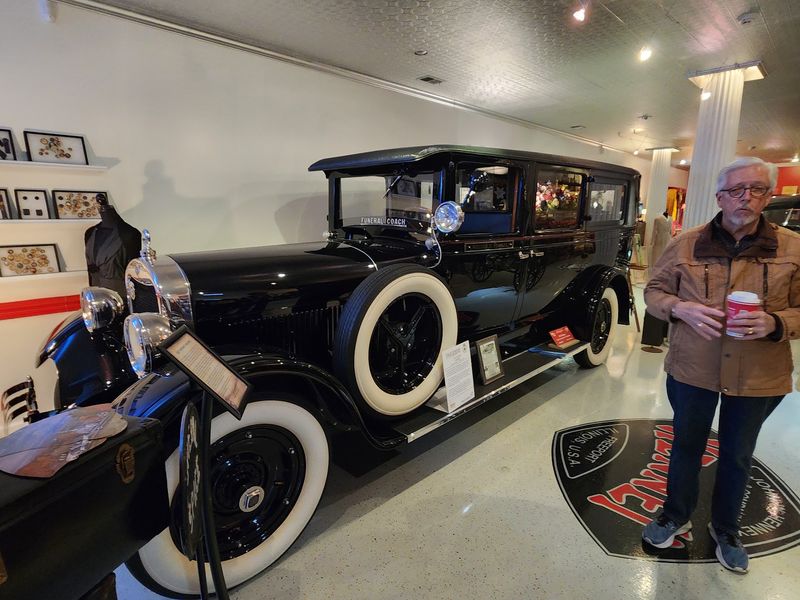
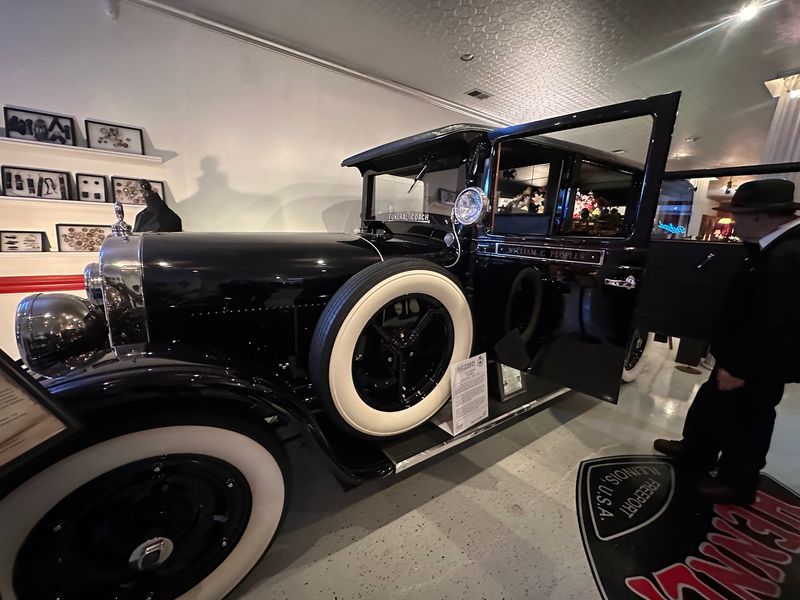
Early motor hearses from Packard and a Studebaker are on display. Their design and engineering impress even people who arrive with no special interest in cars.
Fans of Packard autos tend to get extra excited here. The collection gives them plenty to study, from body styling to the clever features built into these vehicles.
All of the vehicles are kept in immaculate condition. Some are even still in use today, which is not something most museums can say about their exhibits.
The jump from horse power to horsepower is one of the clearest stories the museum tells. Walking from one era to the next shows how much the trade adapted.
The collection has been called possibly the finest gathering of vintage funeral transportation in the country. That is a bold claim, but the vehicles make a strong case.
For anyone who loves classic cars, this room alone could fill the afternoon.
The Hearse That Went To Hollywood
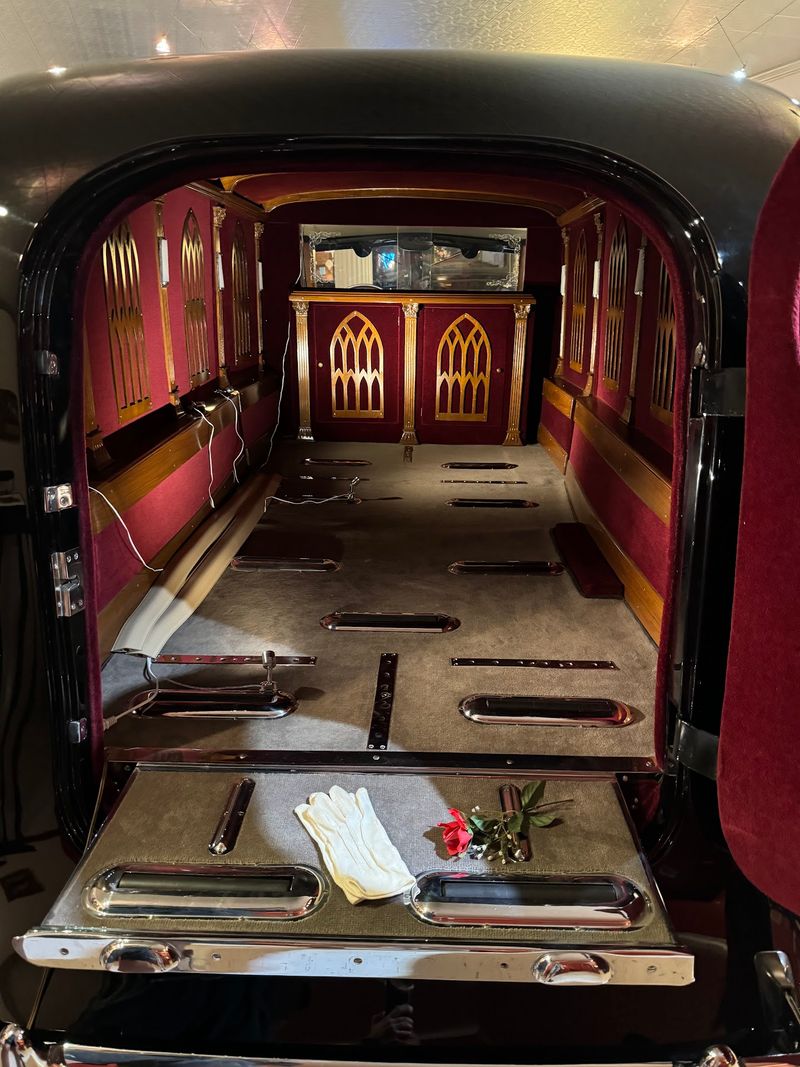
Not every hearse gets a movie credit. One vehicle here has a claim to fame that surprises nearly everyone who hears about it.
A 1927 Henney from the collection was used in the filming of Get Low. That film starred Bill Murray and Robert Duvall.
The story behind its time on set is one of the tour favorites. Guides share how the vehicle ended up in front of the cameras.
It is a fun twist in a museum full of serious history. It also shows how well these vehicles have been preserved, since a film production chose one for its look.
Movie buffs might want to watch the film before or after the visit. Spotting a car you have actually stood next to adds a nice bonus to movie night.
The Hollywood connection is not the only celebrity link in the building, either. Another one has a decidedly small-town Southern charm.
A Family Tie To Mayberry
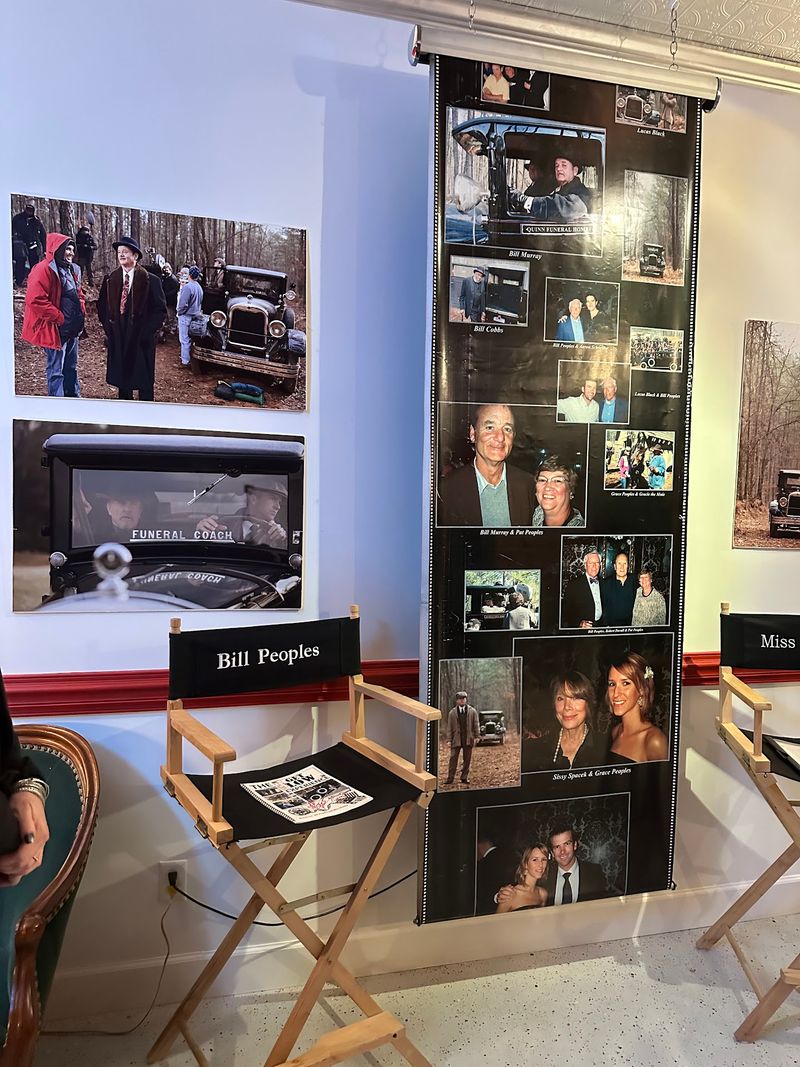
Best behavior is recommended, since a certain famous deputy has ties to the place. Bill Peoples is second cousins with Don Knotts.
Knotts, best remembered as Barney Fife, was a native of nearby Morgantown, West Virginia. That regional link makes the connection feel right at home in this corner of Ohio.
Hearing about it during the tour is a delightful surprise. For classic TV fans, it can feel like the icing on the cake.
The museum is lighthearted about the connection, with a nod to Barney Fife keeping an eye on things.
It is a small detail, but it shows the personality of the place. The tour mixes real history with personal stories and brushes with fame.
Those stories help break the ice. When a topic feels heavy, a good anecdote about a beloved TV deputy makes everyone relax a little.
Consider it proof that history does not have to be stiff to be meaningful.
Human Hair Jewelry And Mourning Keepsakes
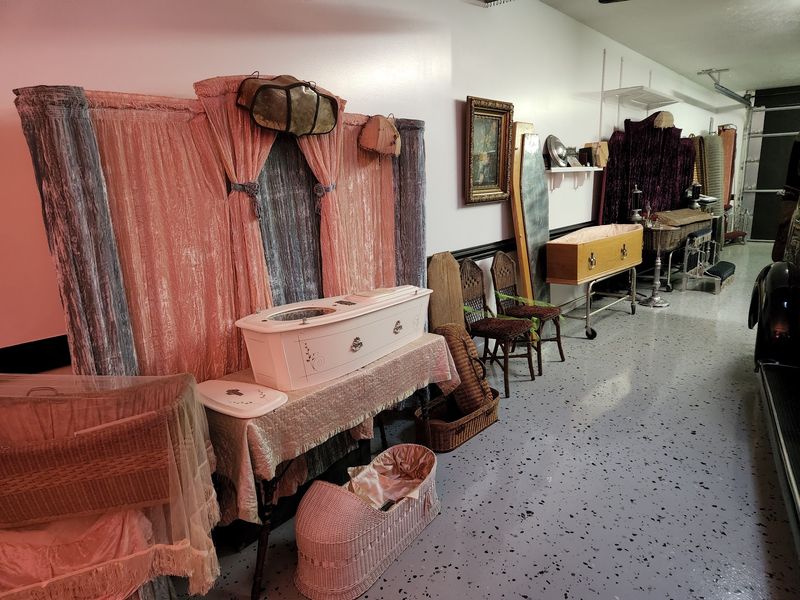
Here is a piece of history that raises eyebrows every time. The museum displays jewelry made from human hair, crafted by families as keepsakes of loved ones.
This was a real tradition in earlier times. Families created these pieces to remember someone dear to them.
Today the practice may seem unusual. On the tour, though, it makes sense in the context of how people once honored and remembered family members.
Fans of the macabre are often drawn straight to this display. Even those who are not tend to find it fascinating once the history is explained.
The funeral jewelry is one of several smaller items that round out the collection. They add a personal, human side to a museum dominated by large vehicles.
These keepsakes also tie into a bigger theme of the tour. The focus often returns to the ceremony of remembrance and how it has changed through the years.
Small objects, big stories.
Tools Of A Changing Trade
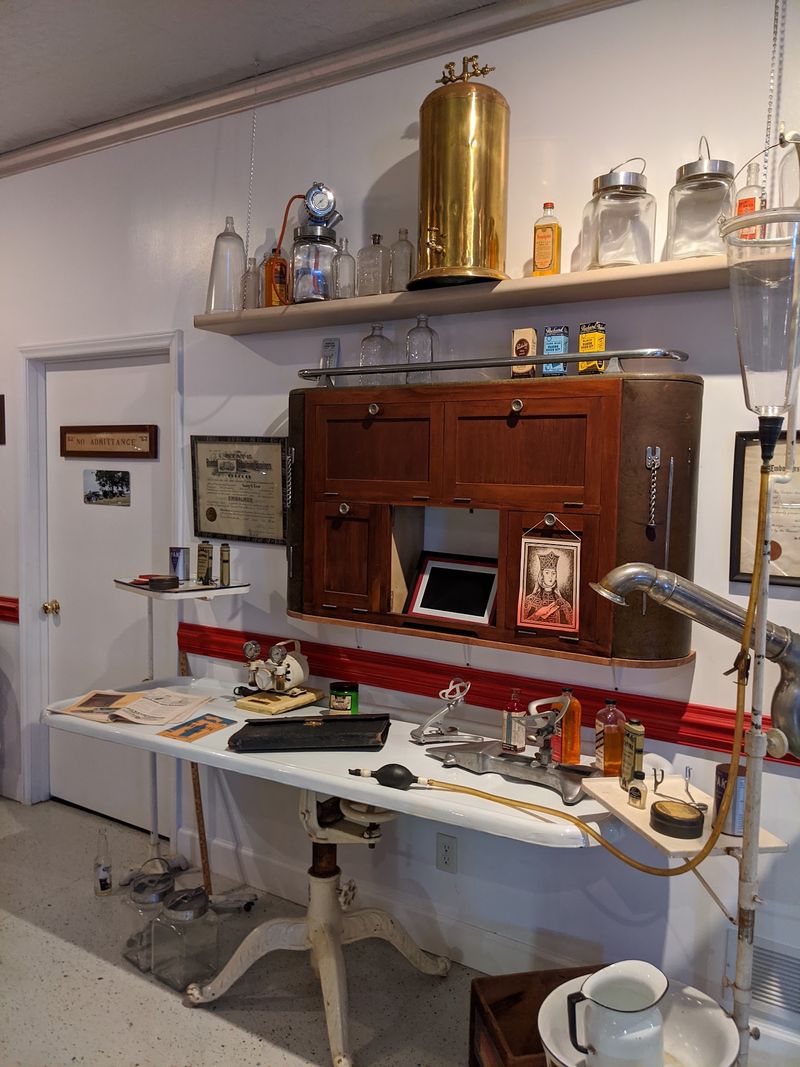
What did a 19th-century undertaker actually carry to work? The museum answers that with a collection of old tools and equipment.
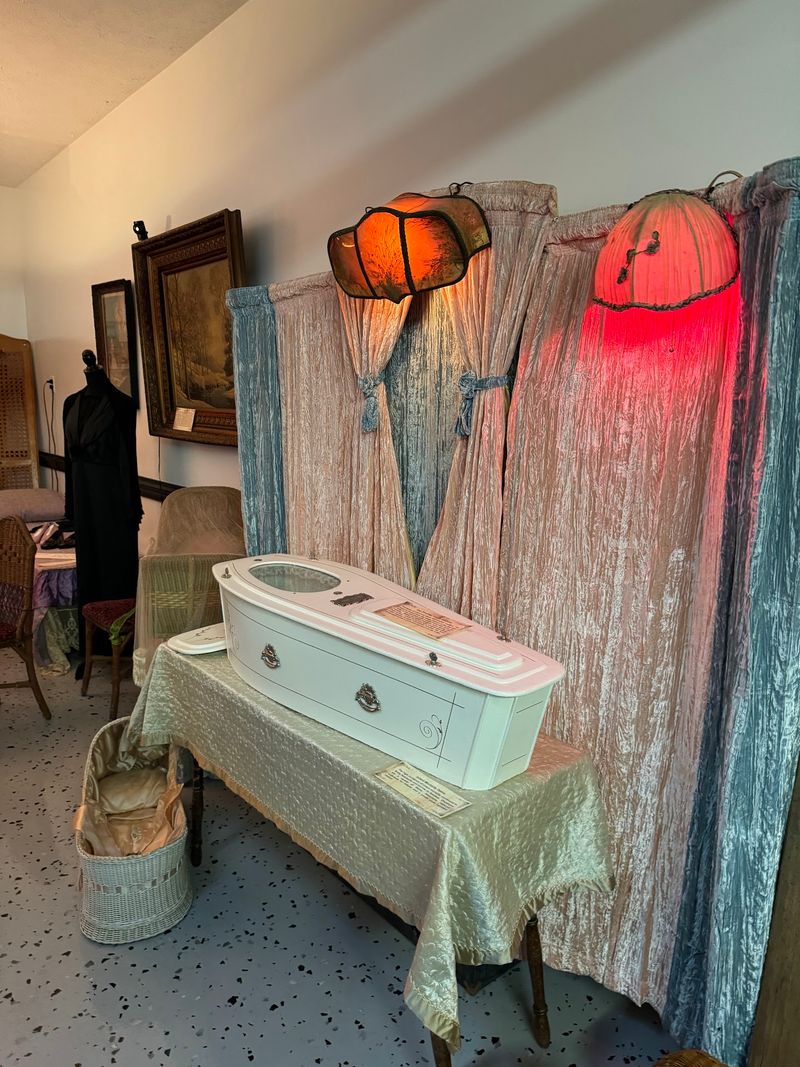
Antique embalming equipment is part of the display. So are wicker baskets that were once used to transport remains temporarily.
Each object helps explain how funeral work was done before modern methods. The guide connects the tools to the reasons behind the practices.
The focus centers largely on customs and traditions from the 1800s into the 1900s. The tour digs into not just what was done, but why it was done.
That explanation is what makes the displays click. Without context, an old basket is just a basket.
With it, the item tells a story about families, travel, and community care.
The topic is handled respectfully and clearly. It is educational without being graphic, which helps guests of different comfort levels feel at ease.
Many leave saying they learned a long list of facts they had never heard before.
Guides Who Welcome Every Question
Ask anything. Seriously, anything.
The guides here have a reputation for answering every single question, including the ones about practices that are usually kept quiet.
Bill Peoples often leads the tours himself. Other guides have included a docent named Bob, known for his deep knowledge and lively stories, and an intern named Alex.
The tone is relaxed and comfortable. Tours are described as laid back, informative, and thought provoking all at once.
The questions can go in many directions. Curious groups often stretch the visit a bit longer simply by asking good ones.
Students considering a career in mortuary work have found the guides generous with their time. They share honest information about the profession and its history.
That openness may be the real heart of the experience. Hearing a working expert talk about the trade turns a strange subject into an approachable one.
It is the kind of tour where curiosity is rewarded, not shushed.
Educational, Not Eerie
Expecting cobwebs and creepy lighting? That is not the vibe here.
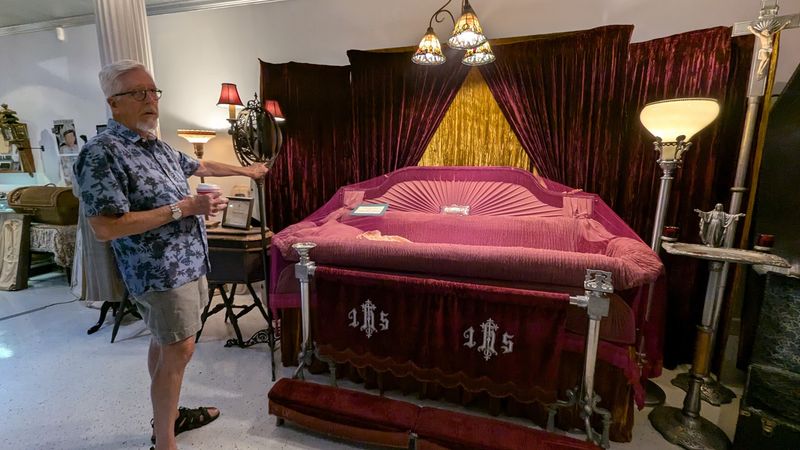
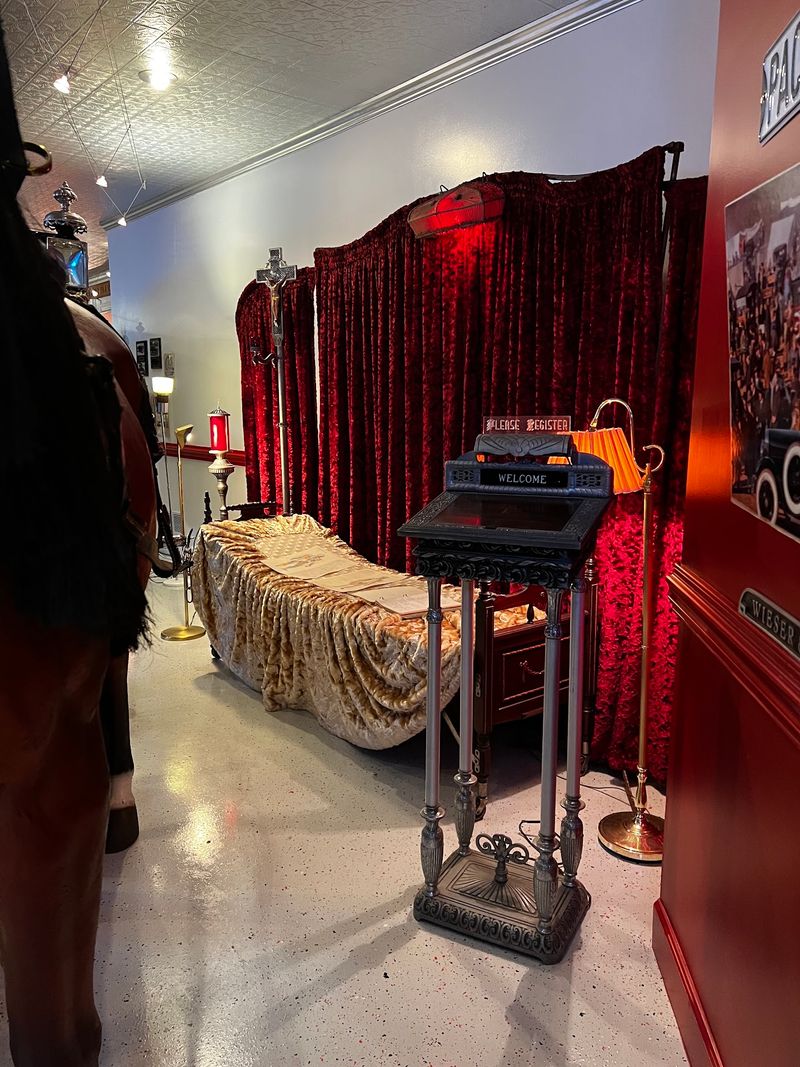
The museum is described as interesting and educational rather than spooky or morbid. The approach is factual and respectful.
It covers roughly the last 200 years of an evolving practice that everyone eventually encounters in some way. That shared reality makes the subject surprisingly relatable.
The tour is not a dark or mysterious take on the past. It is a straightforward look at how customs developed and why.
Many guests arrive unsure, sometimes only joining because a travel partner wanted to go. They often leave glad they came along.
The atmosphere fits a wide range of people. History lovers, car enthusiasts, future morticians, and the simply curious all find something to hold their attention.
For a topic many people avoid, the museum manages to make it feel less like a taboo and more like a conversation worth having.
Booking A Spot Ahead Of Time
Spontaneous drop-ins do not work here. The museum operates by appointment only, so planning ahead is a must.
The easiest approach is to call ahead and set up a viewing before arriving. Sending an email inquiry with preferred dates is another option.
There are no set tour times, which can seem tricky at first. In practice, the owner gets back in touch and arranges a time that works.
Tours are guided and walking-based. Small groups or individual parties can often get a personal tour with the owner himself.
Because it is a private collection and not the owner’s main job, scheduling depends on availability. Reaching out early gives the best chance of locking in a date.
The museum is not heavily advertised. That low profile is part of why it still feels like a discovery.
A quick message now can turn into one of the most memorable stops of a Marietta weekend.
Free Admission And The Donation Box
Good news for budget travelers: the tour costs nothing. There is no set fee to see the collection.
At the end, a donation is requested, and the amount is up to each guest. A donation box is on hand to support upkeep.
Bringing cash is a smart move. Most guests want to leave something after seeing how well the pieces are maintained.
There is also a very small souvenir section. Cash comes in handy there, too.
Donations help keep the museum going. Restoring and maintaining antique hearses and artifacts takes real effort and resources.
The pay-what-you-wish model fits the friendly feel of the place. Nobody is pressured, yet many feel moved to give generously.
It is a rare chance to see a nationally notable collection without spending a dime up front.
Timing The Visit And Nearby Pairings
Plan for about an hour. That is the typical length of a tour through the collection.
Groups with plenty of questions may stretch it to an hour and a half. Some tours have run close to that and kept everyone engaged the whole time.
The museum is small, so it fits easily into a day of exploring Marietta. It works well as part of a weekend getaway in town.
For travelers who love unusual stops, the Mothman Museum is roughly 40 minutes away. Pairing the two makes for a memorably offbeat road trip.
Since tours are by appointment, it helps to build the rest of the day around the confirmed time. That avoids any rush between stops.
Photos only capture part of the experience. Much of the value comes from the guide’s stories, which really need to be heard in person.
Leave a little wiggle room in the schedule, just in case the questions keep coming.
Why This Stop Deserves A Spot On The List
Some museums are big on space. This one is big on heart.
The collection blends restored carriages, gleaming Packards, a film-famous Henney, and quiet keepsakes into one well-told story.
What ties it together is the guide. Knowledge, patience, and a gift for storytelling turn an uncomfortable subject into a meaningful one.
It suits history fans, classic car lovers, and anyone curious about how people have honored family members through the ages.
The free admission and appointment-only format keep it personal. It never feels crowded or commercial.
Plenty of guests say they want to return on their next trip to Marietta. That says a lot about a place many first approached with hesitation.
Call ahead, bring some cash for the donation box, and come ready with questions. This quiet corner of Ohio proves that even the most avoided topic can make for a truly fascinating day out.
Share this story