Some museums show off paintings and old furniture. This one in Philadelphia shows off skulls, skeletons, and a collection of medical specimens that has been growing for more than 160 years.
A poster outside calls it disturbingly informative, and that might be the most honest museum slogan in America. People put it on their bucket lists for decades, and many say it lived up to every bit of the hype.
It is strange, yes, but it also teaches a lot about the human body and how far medicine has come. Keep reading to learn what makes it famous, what you can and cannot do inside, and how to plan a visit that goes smoothly from the front door to the garden out back.
A Medical Landmark on South 22nd Street
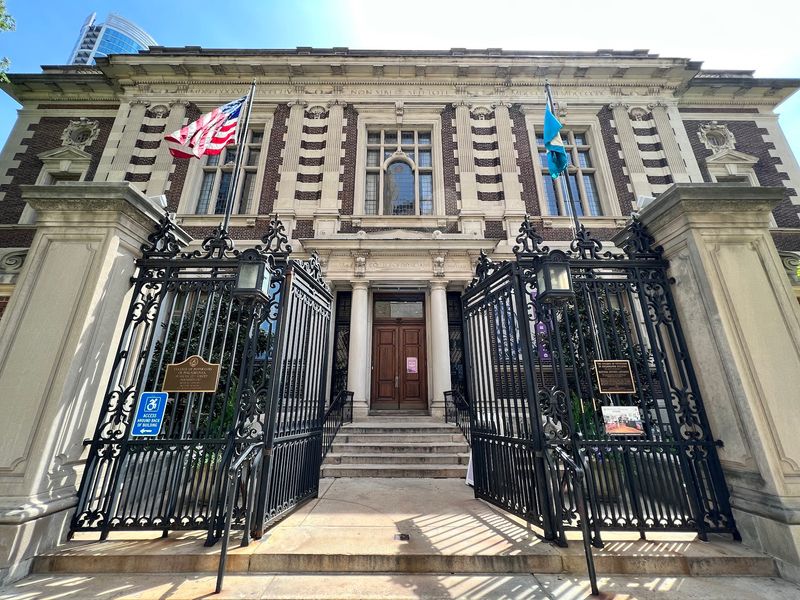
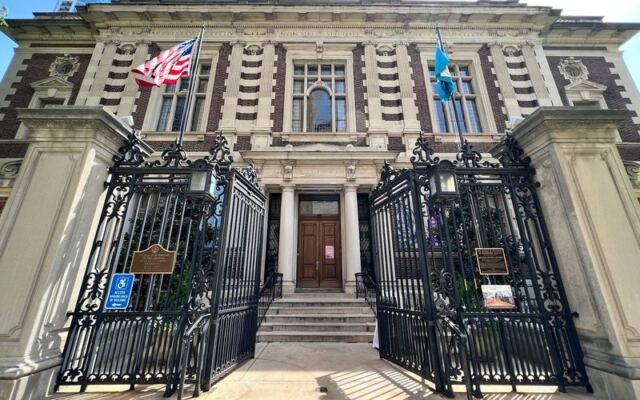
Tucked into a Center City block, The Mütter Museum of The College of Physicians of Philadelphia sits at 19 S 22nd St, Philadelphia, PA 19103, in the United States. It is a museum of medical history and pathology, and it does not pretend to be anything else.
The collection holds over 20,000 unusual and unique anatomical specimens. That number alone tells you this is not a quick peek kind of place.
Skulls, skeletons, tumors, and preserved remains all share space with wax models and medical drawings. The goal is to show how disease affects the body and how doctors learned to fight back.
People who love medical oddities often call it a must on any trip to Philly. Some rank it among the coolest places they have ever been.
Others note that it is one of the most famous medical museums in the world. That is quite a title for a building on a quiet stretch of 22nd Street.
The museum is part of The College of Physicians of Philadelphia, which explains its serious academic roots. The setting feels more like a historic institution than a roadside attraction.
Still, the content is anything but ordinary. The next question is how a collection this unusual got started in the first place.
Dr. Mütter’s Generous Gift
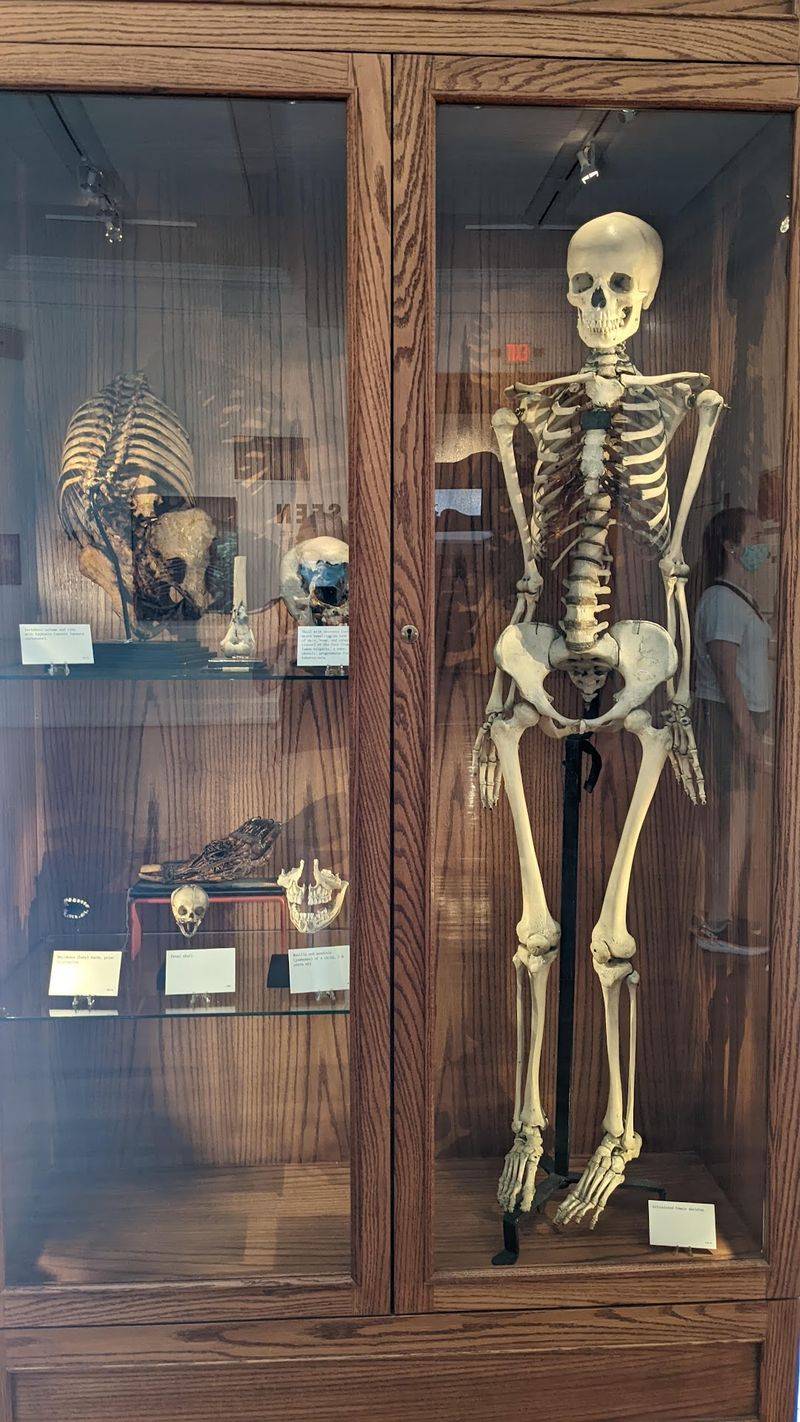
Every big collection starts with one person who could not stop saving things. Here, that person was Dr. Thomas Dent Mütter, a retired professor of surgery.
In 1858, he donated his personal collection of 1,700 items to The College of Physicians of Philadelphia. He also gave $30,000 to help support it.
That gift became the seed for what is now more than 20,000 specimens. Talk about a donation that kept on growing.
Some items on display are around 150 years old. Others are recent donations, which shows the museum is still active and adding to its story.
The exhibits trace the history and advancement of medicine in the United States. It is a look at how far treatment and diagnosis have come.
What stands out is how the museum handles its past. Specimens come with explanations of their historical context.
The museum also acknowledges that some items came from a more exploitative era of medicine. That honesty gives the displays a sense of respect rather than spectacle.
Medical students and people in health fields find it especially useful. Yet the explanations stay approachable for anyone without a science background, so nobody needs a medical degree to follow along.
The Famous Wall of Skulls
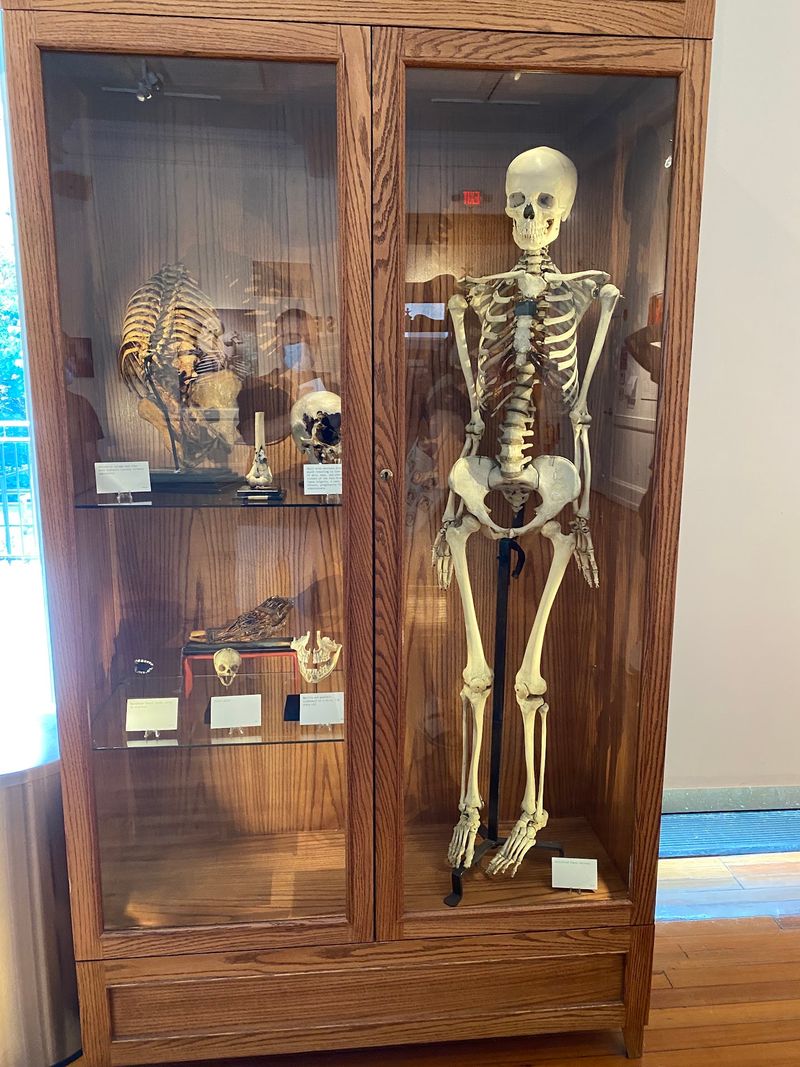
Skulls come up more than any other topic when people talk about this museum. The star of that conversation is the wall of skulls.
It holds 139 human skulls collected by Joseph Hyrtl. Each one is inscribed with details about the person’s age, origin, and cause of passing.
That detail turns the display from a curiosity into something more personal. Some skulls include real names and life stories from people in Eastern Europe.
For some, that part feels a bit unsettling. It reflects what doctors of that era thought was acceptable to share, which is a lesson in itself.
The wall works as both science and history. It shows how anatomists once studied variation in the human head.
It also invites questions about ethics and consent in early medicine. Many guests leave thinking about those questions long after they move on to the next room.
Plan to slow down here. Reading the inscriptions takes time, and rushing past would miss the point of the whole display.
Not bad for a wall that has been getting a head start on attention for generations.
Einstein’s Brain and Other Headliners
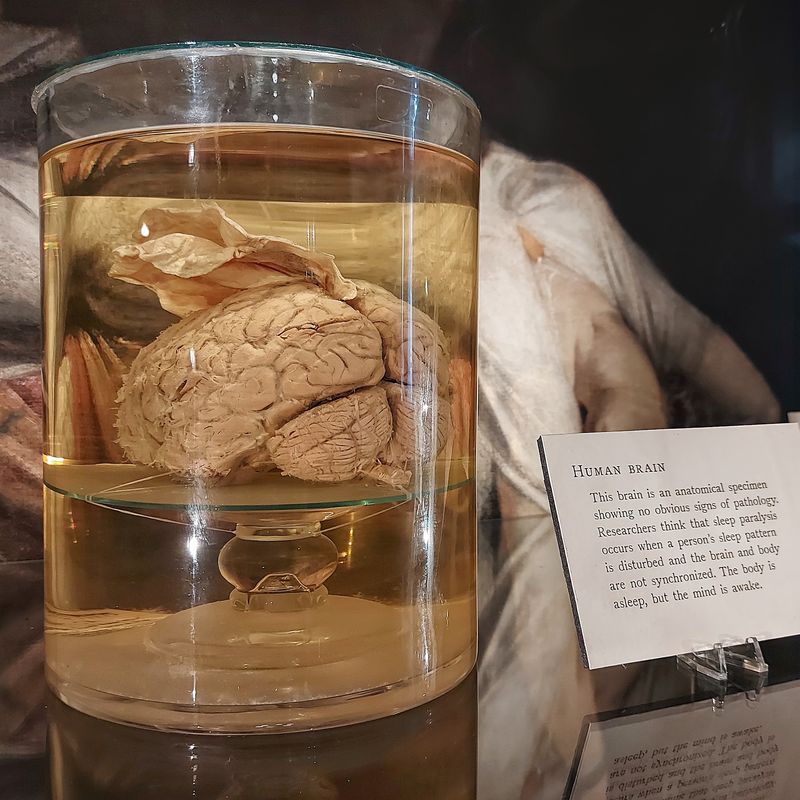
Few museums can claim a piece of a genius. This one holds slides of Albert Einstein’s brain, and it is one of the only places in the world where you can see them.
The brain was taken during his autopsy without permission. His family later gave approval, which adds a twist to an already strange story.
Then there is the Soap Lady. She is the body of a woman from the 19th century who was buried in soil with specific chemical properties.
Those conditions turned her body fat into a waxy substance called adipocere. Many people say she is the first thing they want to find.
A giant skeleton also draws crowds. So do displays about conjoined twins and a range of anatomical abnormalities.
Exhibits also cover tissue and wax specimens showing the effects of disease. The smallpox display stands out as one of the most intense.
There is even an exhibit tied to a notorious Philadelphia criminal case. It mixes true crime with medical history in a way that keeps people reading every panel.
With headliners like these, it is easy to see why the brain slides get so much brainpower from curious guests.
Wax Models, Art, and Special Exhibits
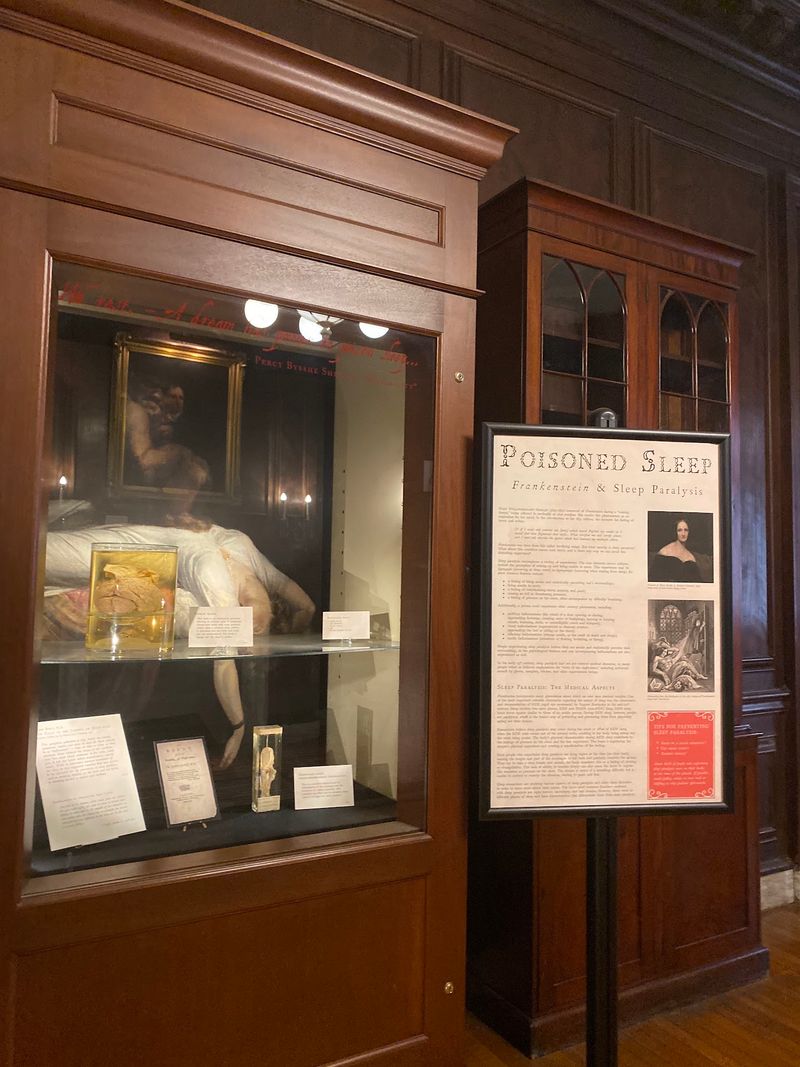
Not everything here is a real specimen. Realistic plaster and wax reproductions help explain conditions that are hard to understand from text alone.
These models are a big help for people outside biology fields. They make complex diseases easier to follow.
Medical drawings add another layer. They show how doctors once recorded what they saw before modern imaging existed.
The museum also runs special exhibits that change over time. One recent exhibit covered the Legionnaires’ disease outbreak in the 1970s.
That outbreak happened around the nation’s 200th birthday. The exhibit draws parallels to how people discussed COVID near the 250th birthday.
For Philadelphians, it is a meaningful slice of local history. For everyone else, it is a reminder that public health stories tend to repeat.
Other displays explore fairy tales and the history of medical advertising. Those rooms offer a lighter break from the more graphic galleries.
Neat art samples line the path leading to the gift shop entrance. It is worth checking the website before a visit to see which exhibits are currently on view, since the lineup keeps things fresh for return trips.
The Medicinal Garden Out Back
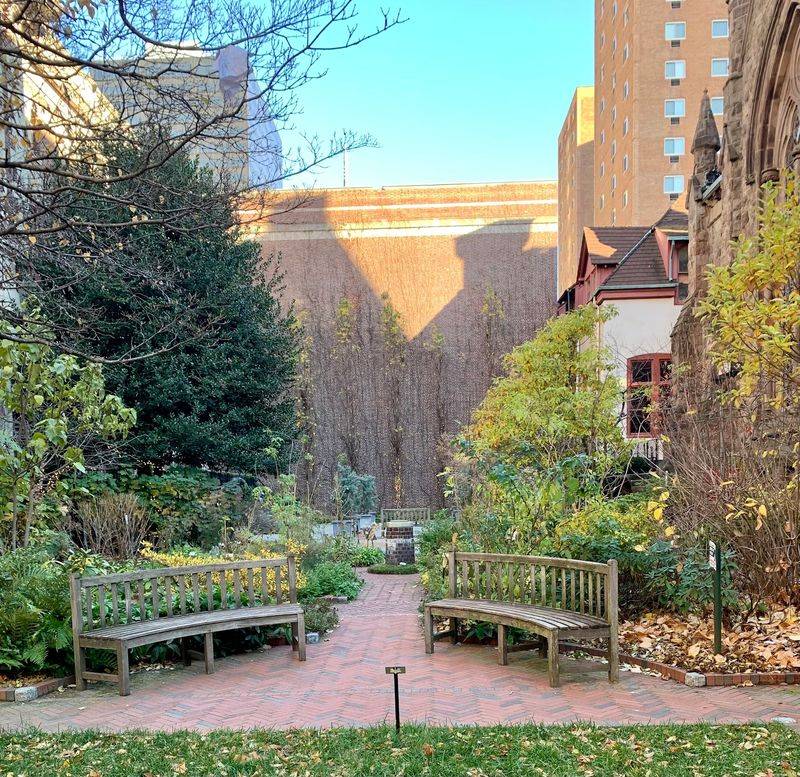
After a few rooms of preserved remains, a bit of fresh green space helps. The medicinal garden outside offers exactly that kind of reset.
It is described as lovely and relaxing. Plants are labeled, so the garden stays educational too.
The herb garden connects to the museum’s main theme. Long before modern pharmacies, many treatments came straight from plants.
Photography is allowed in the garden. That makes it a popular spot for anyone who wants a keepsake shot from the visit.
Many people save the garden for the end of their tour. Others step outside midway to take a breather.
The garden has also hosted parts of special events, including dance parties during after-hours gatherings. It shows that the space works for more than quiet strolls.
Counting the garden as part of the visit is smart. Guests who spend about two hours often include this outdoor area along with the upstairs galleries.
It may not have skulls, but it certainly has roots in medical history.
Rules Inside the Red Carpeted Rooms
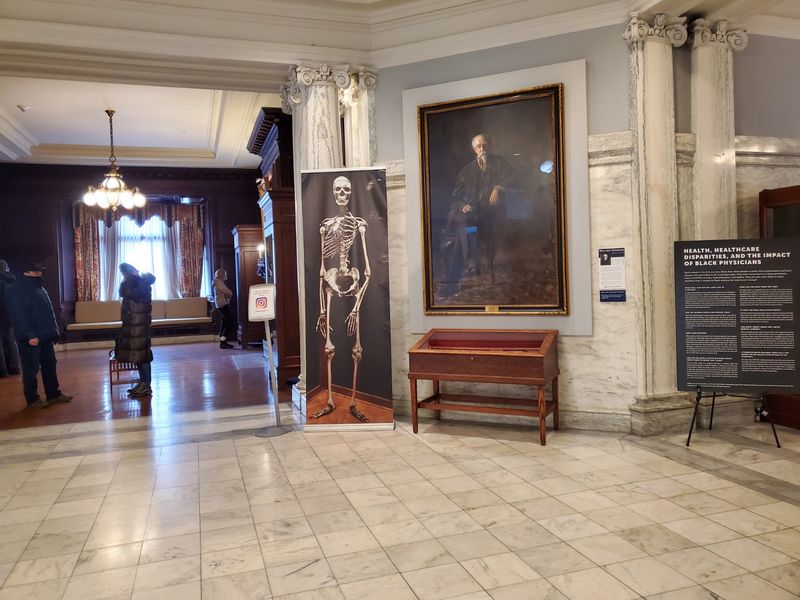
Phones stay in pockets in the main galleries. Photos and videos are not allowed in the red carpeted rooms that hold human remains.
Clear signs mark where the rule applies. The policy protects the dignity of the people on display and helps preserve the aging specimens.
Plenty of guests appreciate it. The rule keeps the selfie-stick crowd away and lets people focus on the exhibits.
Outside those rooms, photos are fine in many areas. The garden and some other spaces are fair game.
The atmosphere is often called macabre, haunting, and bone-chilling. It is also called enlightening and deeply educational.
Some people notice a strong chemical presence in the rooms with remains. Sensitive guests may want to keep that in mind.
Anyone queasy about specimens in jars might find it tough. The content is graphic and very real.
Volunteers help make sense of it all. One group with children asked volunteers about ethics and standards and found them patient and informative.
Respect is the unspoken dress code here, and most guests follow it naturally.
Planning Hours, Parking, and Access
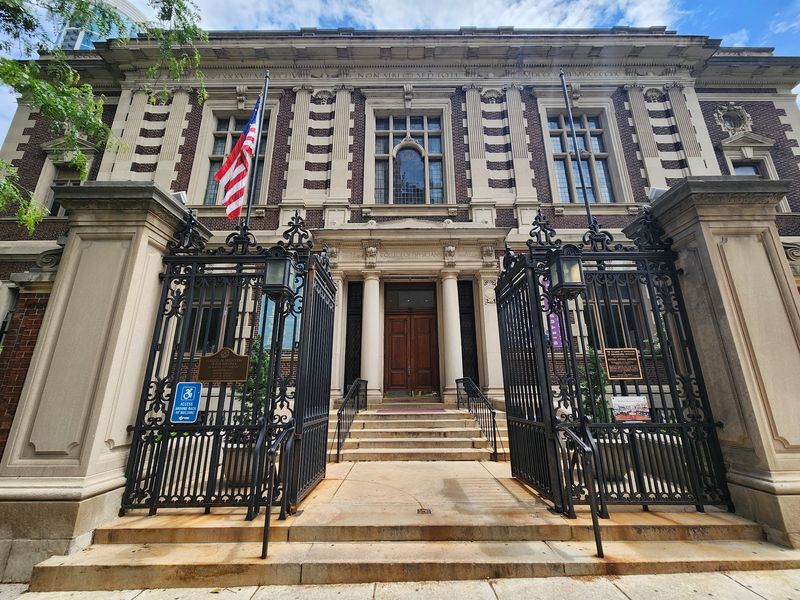
Timing matters, so here are the basics. The museum is open Sunday, Monday, Wednesday, Thursday, Friday, and Saturday from 10 AM to 5 PM.
It is closed on Tuesday. That catches some travelers off guard, so plan around it.
Buying tickets ahead of time and checking in early works well. Families who did this found the process smooth.
Parking can be tricky. Street spots and nearby lots can fill up quickly, even right at opening.
A lot in the back requires registration and is meant for staff. Arriving with a backup plan for parking or public transit saves stress.
Once inside, you can leave to grab a meal and come back in. That flexibility helps on longer visits.
The museum has multiple levels that are accessible. Some elevators and access points need a staff member to operate, so ask at the desk.
Clean bathrooms are available on site. A small gift shop sells souvenirs, including the popular museum t-shirt.
About two hours is enough to see the galleries, the upstairs, and the garden without rushing.
Who Will Love It, and Who Might Pass
With a 4.6 star standing from more than 6,700 people, the museum clearly wins over most guests. Still, it is not for everyone, and that is fine.
Fans of medical history, science, and oddities tend to adore it. Some return several times over the years and still get excited.
Families have mixed approaches. The museum leans toward older kids and adults, but many children handle it well with context from parents beforehand.
Checking the website first helps parents decide what their kids are ready for. Several rooms without remains offer options for younger guests.
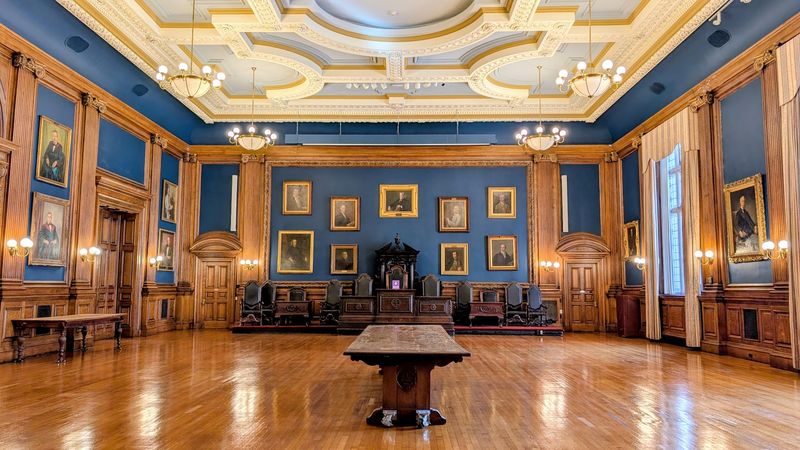
The gorgeous building is a bonus on its own. The medical library is a highlight for many.
Special events add another reason to visit. A recent party filled the ballroom and garden with dancing, art therapy, and playful medical theater.
Members and locals often bring every out-of-town guest here. That says a lot about its place in the city.
For the curious and the strong of stomach, it ranks near the top of any Philadelphia list. Strange, respectful, and genuinely memorable, it is a place that gets under your skin in the best way.
Share this story