Somewhere in northern Minnesota, an old elevator drops people more than 2,000 feet straight down through solid rock. At the bottom waits a train, a mile of tunnels, and the true story of the miners who once worked there by candlelight.
The temperature stays near 52 degrees all year, so a jacket matters even in July. It is one of the most unusual history lessons in the state, and families keep coming back year after year.
Here is everything worth knowing before heading down, from the ride itself to the guides, the trails, the campground, and the small details that make a visit run smoothly.
A State Park With a Basement
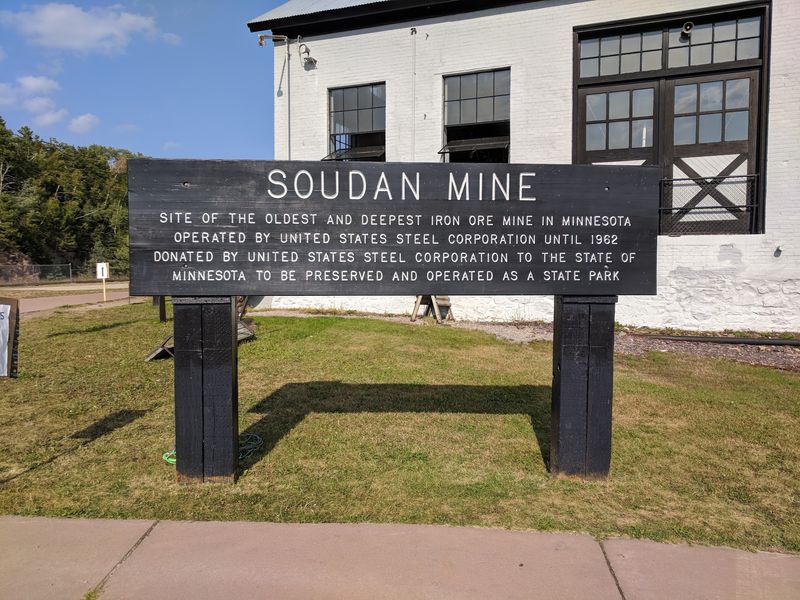
Most state parks are known for their views. This one is famous for what sits beneath them.
Lake Vermilion-Soudan Underground Mine State Park is at 1302 McKinley Park Rd, Soudan, MN 55782, in the northern reaches of Minnesota. It is home to the state’s oldest iron ore mine.
The park mixes two very different worlds. Up top, there are hiking trails, picnic areas, and the shoreline of Lake Vermilion.
Down below, there is a preserved mine that guests can tour with a guide. Few places let people step into real working history quite like this.
The park grounds are open daily from 7 AM to 10 PM. Tour schedules are a separate matter, and they shift with the season, which comes up again later.
A visitor center anchors the experience. It has a well stocked gift shop, clean restrooms, and a ranger ready to help with questions.
Families, history fans, rock lovers, and road trippers all find something here. The mine tour gets most of the attention, though, and for good reason.
Once the hard hat goes on, the surface starts to feel very far away.
Iron, Immigrants, and Candlelight
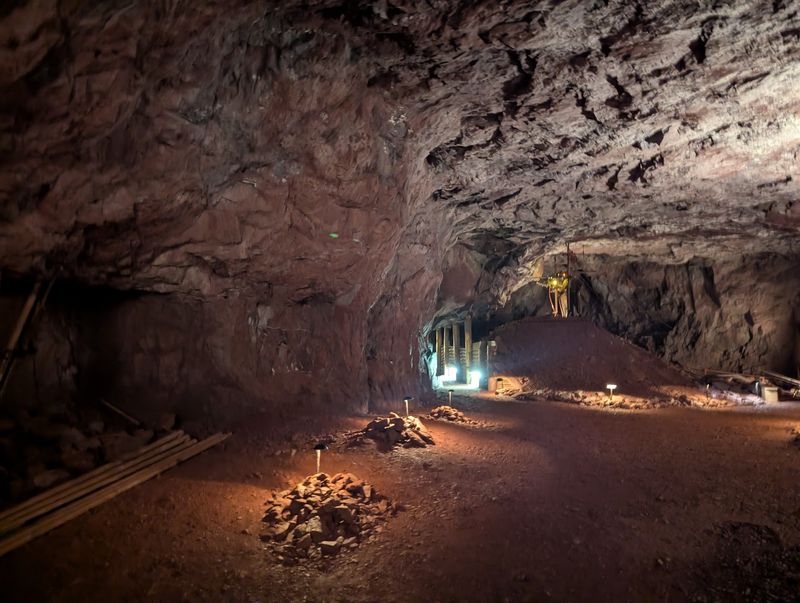
Long before electric lights, miners here worked in near darkness. A single candle was often their only light, and they used it sparingly because candles cost money.
The tour takes guests back to the late 1800s and early 1900s. Guides walk through what a typical workday looked like for those first miners.
It was hard, risky work in the early years. Guests leave with a clear picture of how tough daily life was underground.
Much of that labor came from immigrants. Their story is woven into the tour, and it lands with many guests whose own families arrived generations ago.
Some guides carry that history personally. One guide is an immigrant and retired miner who shares his own lived experience along the way.
The iron pulled from this ground went on to become steel. That link between deep rock and the wider country gives the tour real weight.
The story also raises honest questions about how workers were treated. Many guests walk away thinking about labor history in a new way.
It is history with the rough edges left on, and that is exactly what makes it stick.
The Cage Ride Down
Going down takes a few minutes. Remembering it takes years.
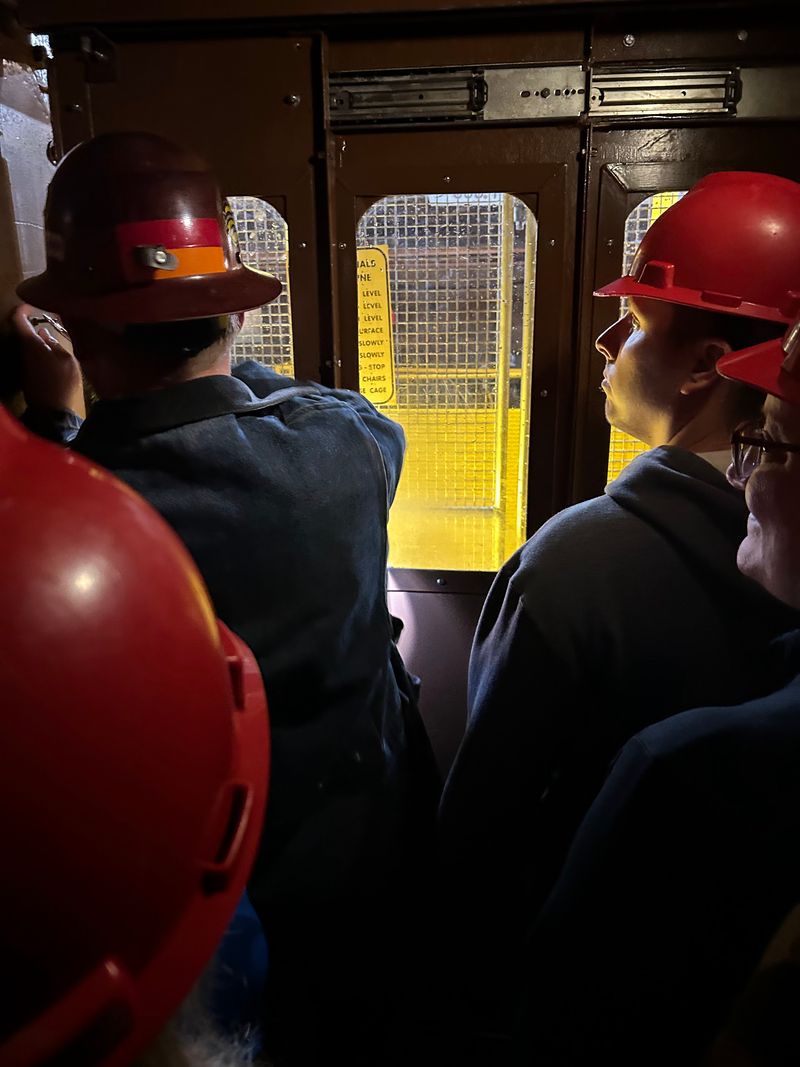
Every tour starts with a short movie that sets the scene. Then everyone puts on a hard hat and heads to the old mining elevator.
The cage drops roughly 2,700 feet into the earth. Through the door, there is nothing but solid rock rushing past.
For many people, the ride alone is worth the ticket. Kids tend to call it the best part, and plenty of adults agree.
Space inside the elevator is tight, though. Guests who struggle with small spaces should think carefully, since the mine is not a good fit for the claustrophobic.
A nervous little one usually settles in fast. Curiosity tends to win, and the questions start flowing once the doors open.
The lift has its own stories too. Ask the lift engineer how his team of four cleared an estimated 15 to 20 million gallons of floodwater from the 27th level a few years ago.
That tale could fill a tour all on its own.
Riding the Rails a Mile Into Rock
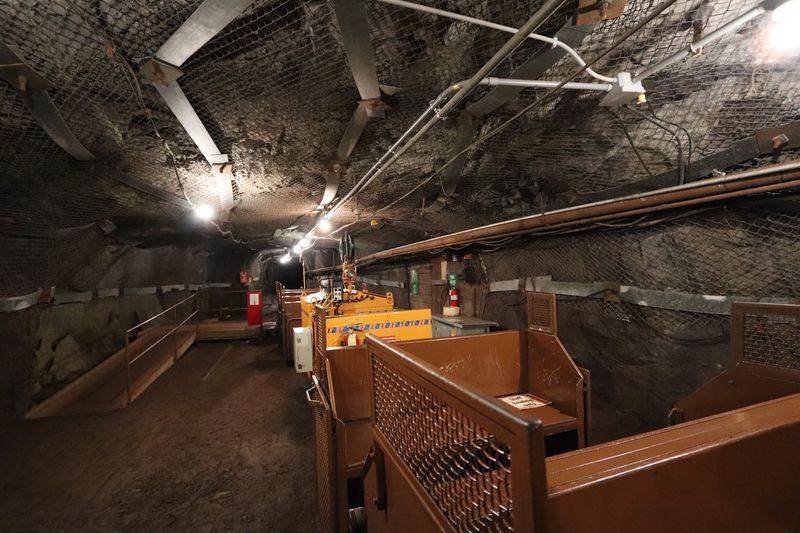
The elevator is just the opening act. At the bottom, guests board a mine train that rolls about a mile back into the tunnels.
From there, the tour shows off the underground workings up close. Models and visuals help explain how the ore was found, drilled, and moved.
Seeing a real mine at this scale is rare. Many guests call it one of the best living history tours they have ever taken.
The pace is easy on the legs. There is relatively little walking, which makes it a welcome break after days of hard hiking.
A few bumps along the railway need some care. Still, families with mobility needs have found the route smoother than expected.
Things do not always go to plan in a century-old mine. When the train was out of service once, a modified tour took guests into an old testing area where neutrino experiments were done.
That surprise turned into a highlight. Old iron work and modern physics sharing the same tunnels is a twist few people see coming.
Not bad for a detour.
Guides Who Steal the Show
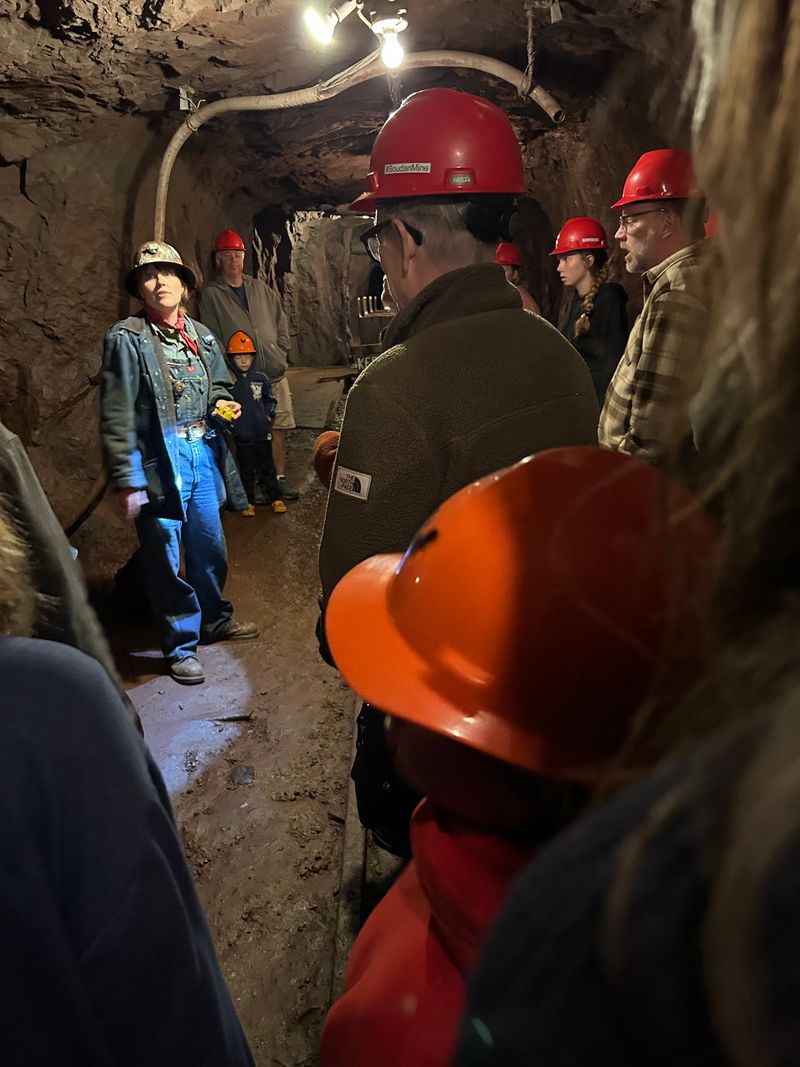
Ask anyone what made their trip, and the answer is usually a name. The guides here are the heart of the whole operation.
They tell the story from the miner’s point of view. That approach pulls everyone in, from curious kids to quiet grandparents.
Some are retired miners with first-hand knowledge. Others are newer faces who bring big energy and real passion for the work.
Humor shows up often. Questions are welcome, no matter how simple or odd, and guides answer them all with patience.
Safety gets attention too. Guides keep an eye on the group and make sure everyone stays comfortable during the 90-minute tour.
The staff connection reaches beyond the mine. Some guides even appear in the parade in nearby Tower, where local families cheer them on.
Many guests say the tour felt far too short. That is a strong sign of good storytelling.
Some families have taken the tour every single year. With guides like these, the repeat trips make complete sense.
Who Will Love It Down There
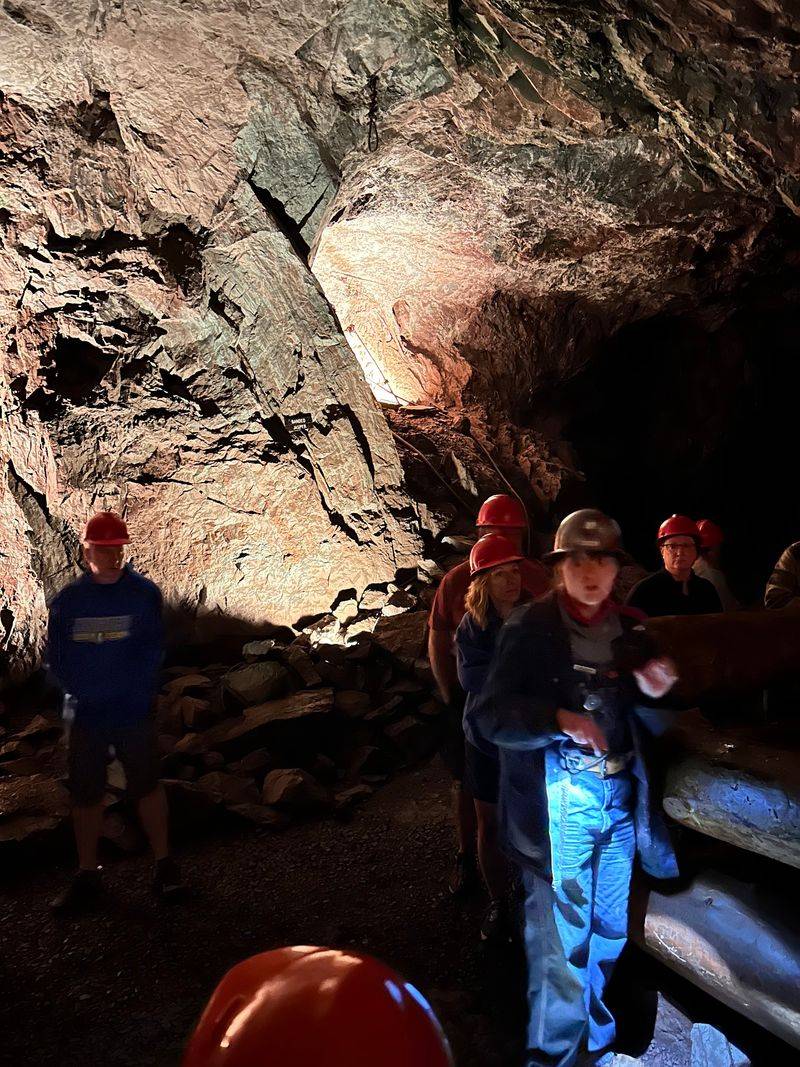
Kids who love big machines and rocks are in for a treat. Children as young as five have come out amazed and full of questions.
The tour works for all ages. Even a nine-year-old, a famously tough crowd, can stay engaged from start to finish.
Accessibility gets real effort here. Staff have gone out of their way for families with disabled children.
Strollers can come along if they fold up to fit on the train. Carriers work well too.
Hard hats are required for everyone. Even kids who dislike wearing things on their heads often handle it better than parents expect.
History buffs get plenty of depth. Geology fans get real rock, and Minnesota lovers get a fresh connection to their home state.
The main group to think twice is anyone uneasy in tight spaces. The elevator is snug, and the mine sits far from daylight.
For nearly everyone else, it turns into a family highlight. That is a lot of payoff for one afternoon.
Above Ground: Trails, Lake, and Campsites
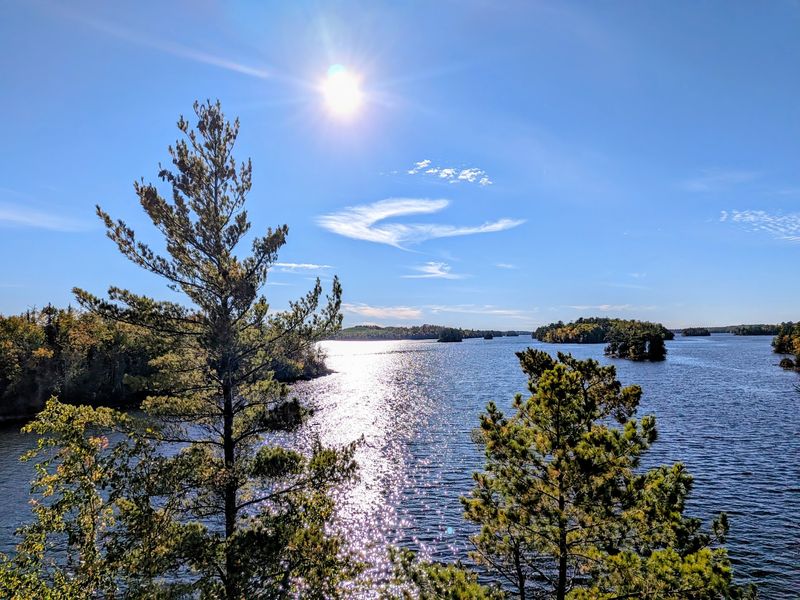
Plenty happens on the surface too. The park offers hiking trails and picnic areas for those who want daylight between adventures.
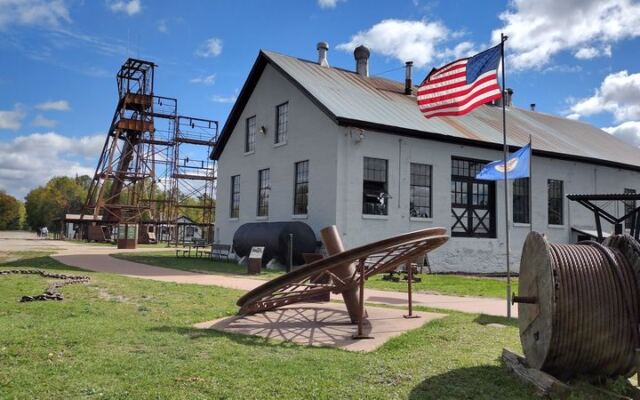
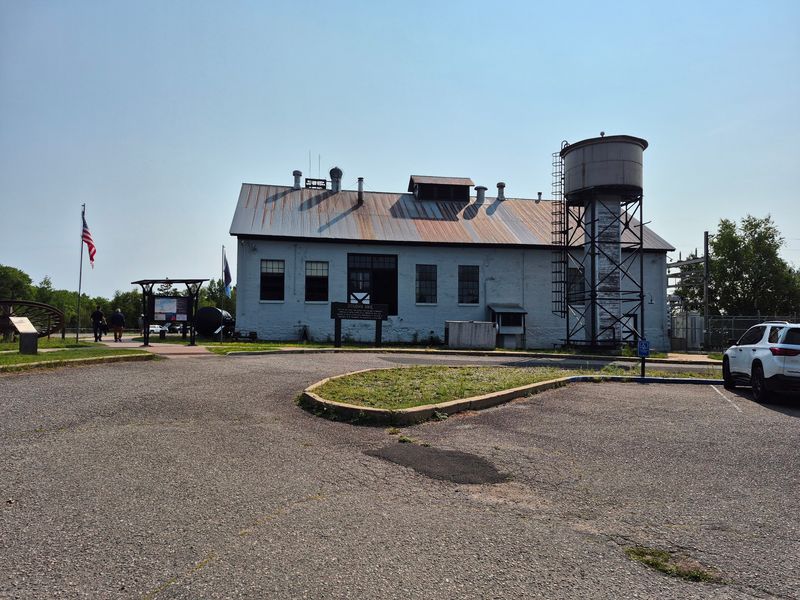
The old mine buildings and the area down by the lake feel like a trip back in time. Wandering them adds context to everything seen below.
A guided surface tour has been offered at times, such as when the underground tour was cancelled. A guide made the mining process much easier to understand above ground.
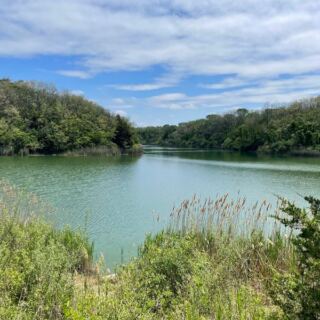
Lake Vermilion frames the scenery. It is a big reason many people stay longer than planned.
The campground has both RV and tent spots. It is calm and quiet, which suits anyone wanting a restful night.
One heads-up for campers: fees are paid through an outside vendor, which means making an account. Staff are not always around in the campground, so plan to handle things online.
Camping nearby makes the mine an easy add-on. A day trip works fine as well.
Either way, the surface is far more than a parking lot for the tour.
Know Before You Go
Pack a jacket. The mine holds at about 52 degrees all year, so a layer or two is smart even in summer.
Park hours run from 7 AM to 10 PM every day. Tour times are another story, so check ahead.
Reservations or a quick call can save a long wait. Tours fill up, and schedules shift with the season.
In the off-season, tours run on the hour. During busier times, they go every half hour.
The full tour lasts about 90 minutes. Build in time for the movie, gearing up, and the gift shop.
The visitor center has clean restrooms and a helpful ranger. It is a good first stop for maps and questions.
Tours can change if equipment needs repairs. Flexibility helps, since alternate routes can be just as interesting.
The Minnesota DNR website lists the latest details. A few minutes of planning makes the whole visit run smoothly.
Worth Every Foot of the Drop
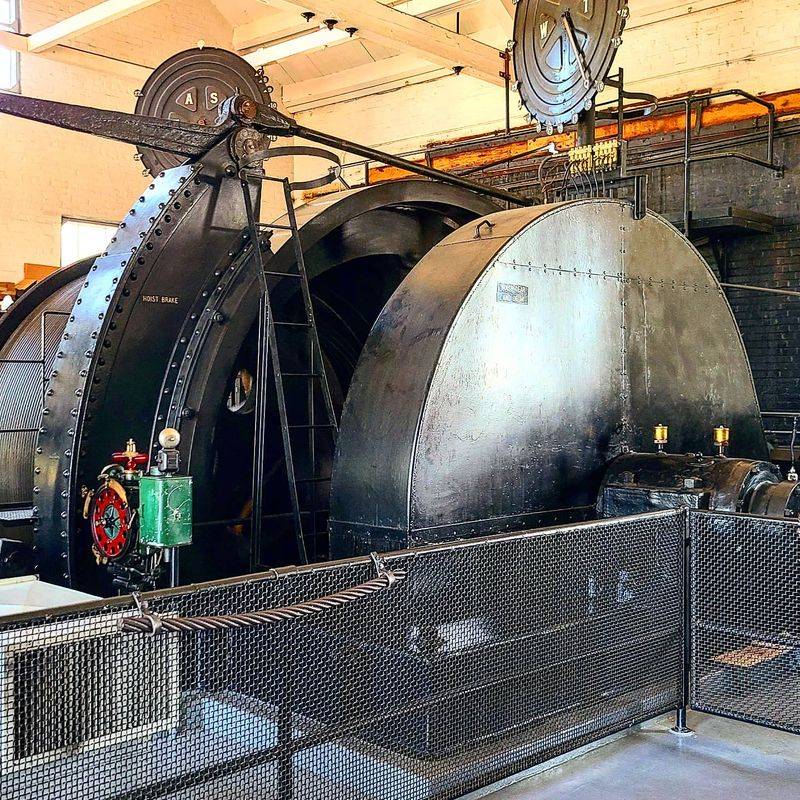
Some attractions are fun for an hour. This one sticks with people for years.
The park holds a 4.9-star average across more than 360 opinions. That kind of consistency is hard to find anywhere.
Many call it one of the best values in touring. The elevator, the train, and the guides add up to something genuinely rare.
It also carries meaning. Guests leave with respect for the miners who did this work by candlelight.
Above ground, the trails, picnic spots, and campground round out a full trip. Lake Vermilion makes it easy to linger.
Bring a jacket, call ahead about tours, and leave room for questions. The guides love them.
Northern Minnesota has plenty of lakes and forests. Only one spot here sends guests half a mile underground to meet the past.
That is reason enough to make the trip, and maybe reason enough to come back next year.
Share this story