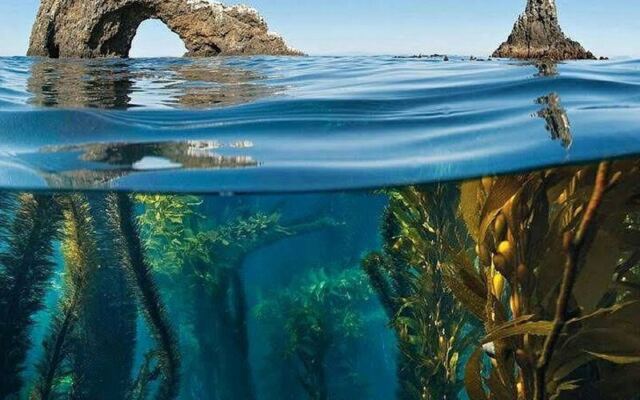
There are no roads, no restaurants, and no hotels waiting at the end of this trip. To get there, you board a boat in Ventura, cross open Pacific water, and step onto an island with one simple rule: whatever you bring, you carry home.
Out there, tiny foxes trot near the trails, dolphins race beside the ferry, and towering sea caves wait for anyone willing to grab a paddle. It is one of the least visited national parks in California, and the reason is mostly the effort it takes to arrive.
That effort pays off in a big way. Keep reading to learn which island most people choose, which trail earns all the praise, how the kayak tours work, and the packing mistakes that can turn a dream day into a soggy one.
Five Islands Off the California Coast
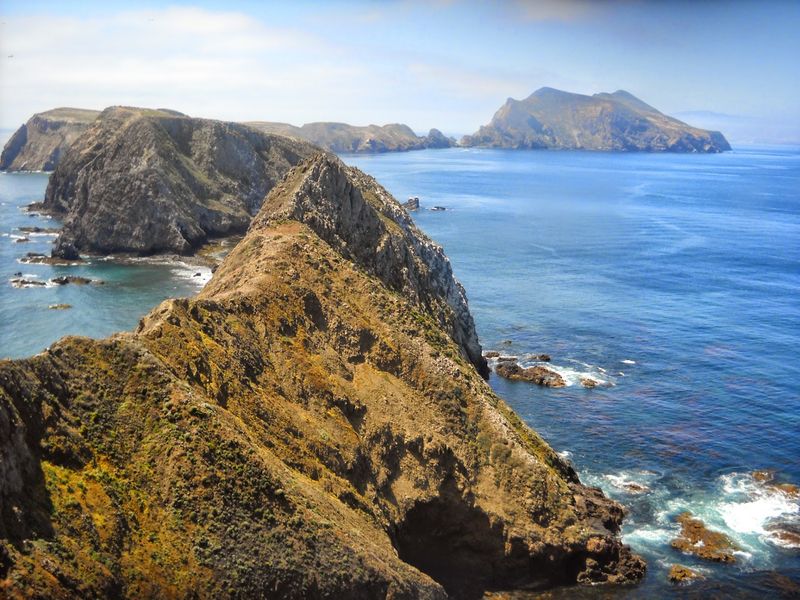
Channel Islands National Park sits off the coast of California, United States, and it covers five of the Channel Islands. The park describes itself simply as five islands to explore by land and sea.
That short line hides a lot of adventure. Camping, hiking, diving, spearfishing, and sea caves all fall inside its boundaries.
Most people head to Santa Cruz Island, the largest of the group. It is the island with the famous kayak tours, the popular Potato Harbor Trail, and the landing at Scorpion Anchorage where many day trips begin.
Anacapa Island is another stop, and some boat trips cruise out there and back. On those outings, elephant seals can appear around a corner of the island.
The mainland visitor center is the starting point for many plans, though parking there can be confusing. The closest lot appeared to be private, which makes things tricky, especially for guests with disabilities.
What makes the park stand apart is its isolation. Thousands of years of separation from the mainland shaped the plants and animals here, earning the islands the nickname Galápagos of North America.
So where does the real story begin? Right at the dock.
A Ferry Ride That Starts the Show
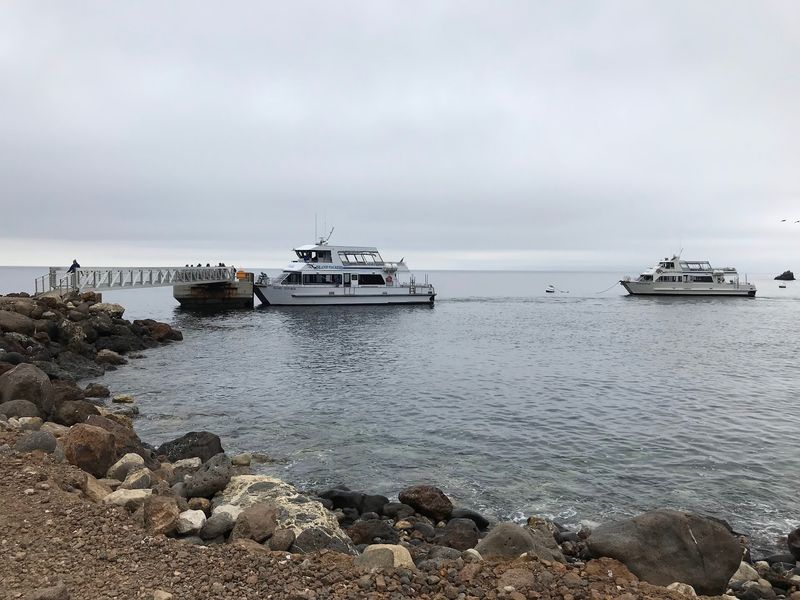
Most national parks begin at a gate. This one begins at a boat ramp in Ventura.
The only way in and out for most guests is the Island Packers ferry, and booking in advance is strongly recommended. The NPS website lists the travel options, so it is a smart first stop when planning.
A round trip to Scorpion Anchorage on Santa Cruz Island takes roughly three hours total. Nobody seems to mind, because the crossing is packed with wildlife.
Dolphins are the stars, sometimes in huge pods. Pelicans, seagulls, harbor seals, and sea lions also make appearances.
Lucky crossings include humpback whales and even a juvenile fin whale. Bird watchers often scan the water for rare migratory species.
The captains and crew share helpful information along the way. Schedules can be tight, though, so brief stops are the norm rather than long detours.
Watching the mainland shrink behind the stern makes the day feel like a true expedition. It is a commute that would make any office worker jealous.
Inside the Sea Caves
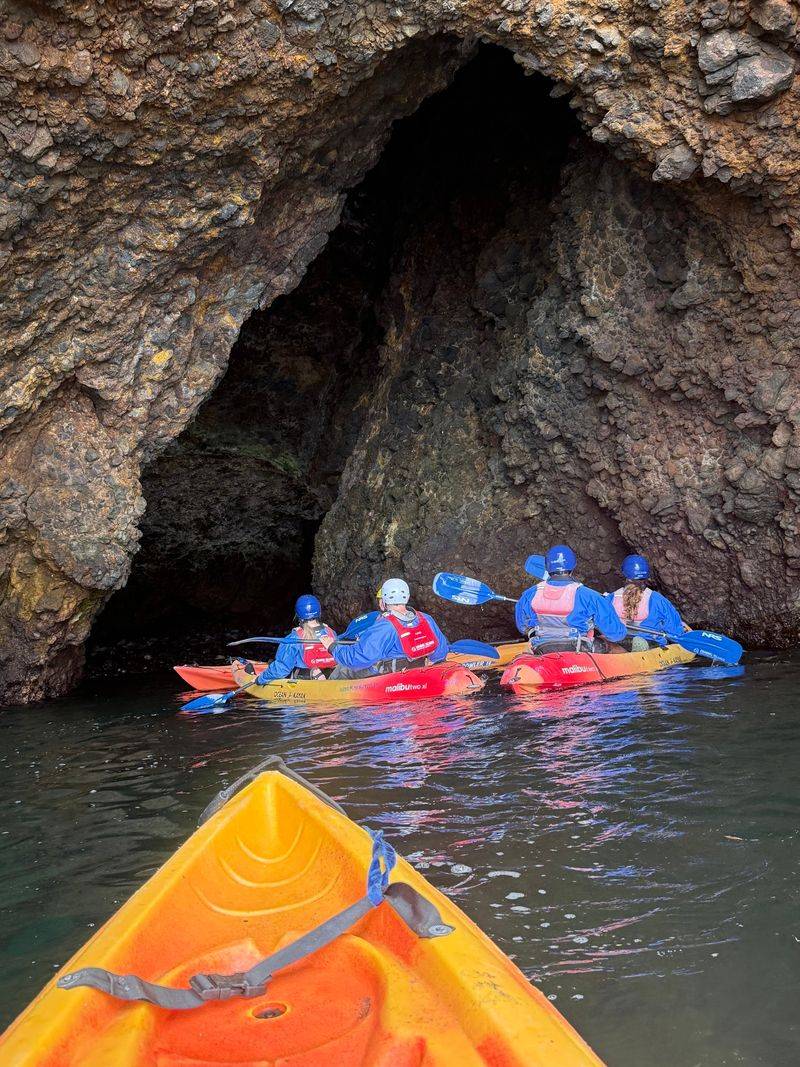
Here is the part that earns the headline. Kayaking is one of the most talked about activities in the entire park, and the sea caves are the reason.
Tours on Santa Cruz Island, including those run by Channel Islands Adventure Company, guide paddlers into enormous caves carved by the Pacific. Every turn reveals another rock formation.
The water inside shifts from deep blue to bright turquoise when sunlight hits the cave openings. Soaring arches overhead give the whole outing the feel of a grand cathedral built by the ocean.
The experience manages to be exciting, calm, and a little adventurous at once. For many travelers, it becomes the highlight of a much longer road trip.
Hikers who skip the paddle often regret it. The kayaking looks so good from shore that some people promise to book it next time.
There is also a money tip worth knowing. Some travelers bring kayaks over from the mainland, which can save significant cash and allow unlimited time on the water.
Potato Harbor and Its Famous Overlook
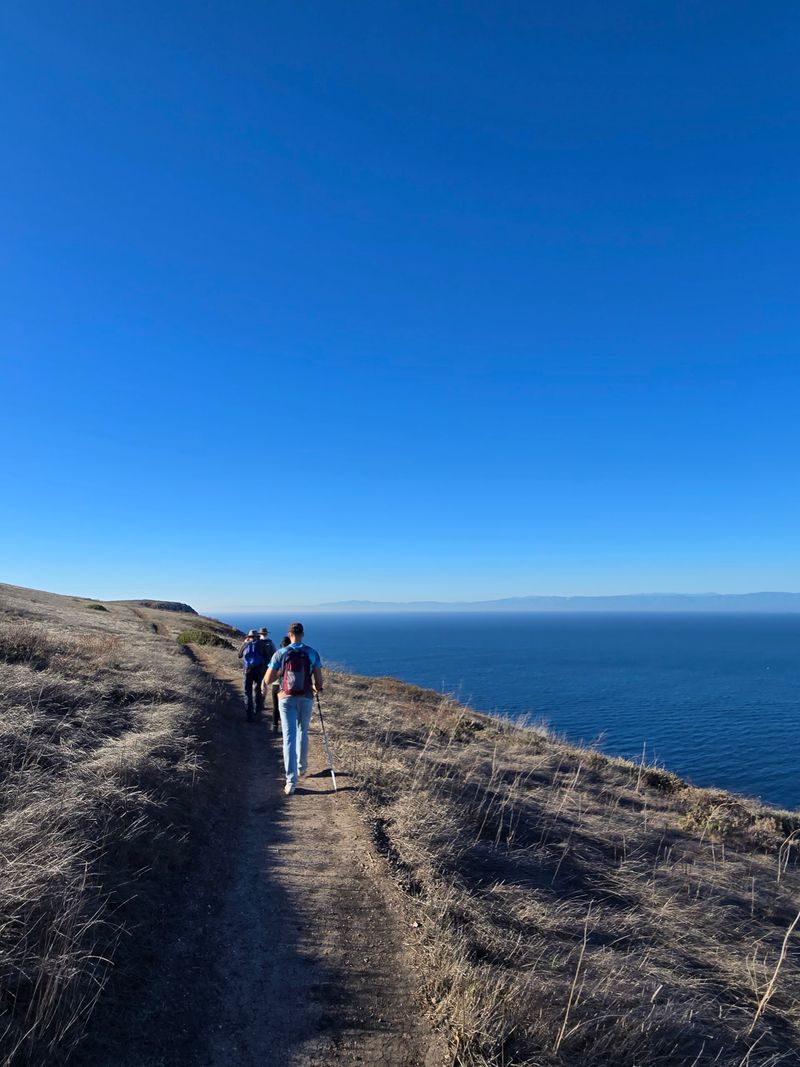
Funny name, serious view. The Potato Harbor Trail is the hike most people mention after a day on Santa Cruz Island.
The route follows coastal ridges with wide ocean views. At the end, an overlook peers down at a cove that looks a bit like, yes, a potato.
Hikers often turn it into a loop that returns to the boat. About six hours on the island gives plenty of time for this outing.
Sunset at the Potato Harbor viewpoint is a favorite for campers. Those staying overnight get the bonus of watching the light fade over the water.
Dolphins can sometimes be spotted from the cliff edges. Fog drifting in from the ocean adds another layer of drama.
Trails here are well maintained, but rain changes everything. Wet days leave paths muddy and slippery, so sturdy shoes make a real difference.
Little Foxes, Big Fans

Found nowhere else on Earth, the island fox is the park’s unofficial mascot. It is tiny, curious, and surprisingly common near the trails.
Many guests call the foxes the highlight of their trip. They are not especially shy, which makes sightings easy.
Santa Cruz Island also hosts the island scrub jay, another species that lives only here. Spotting both feels like collecting rare trading cards.
Sea lions lounge along the shore, and countless birds and butterflies fill the island. Animal lovers rarely leave disappointed.
There is a catch, though. The foxes and ravens are clever thieves, and they will raid unattended packs.
Feeding wildlife can earn a citation, so food and electronics should stay locked away. Campsites provide boxes for anything scented, and a small lock for the tent is a smart extra.
Cute does not mean harmless to your lunch.
Snorkeling the Clear Nearshore Water
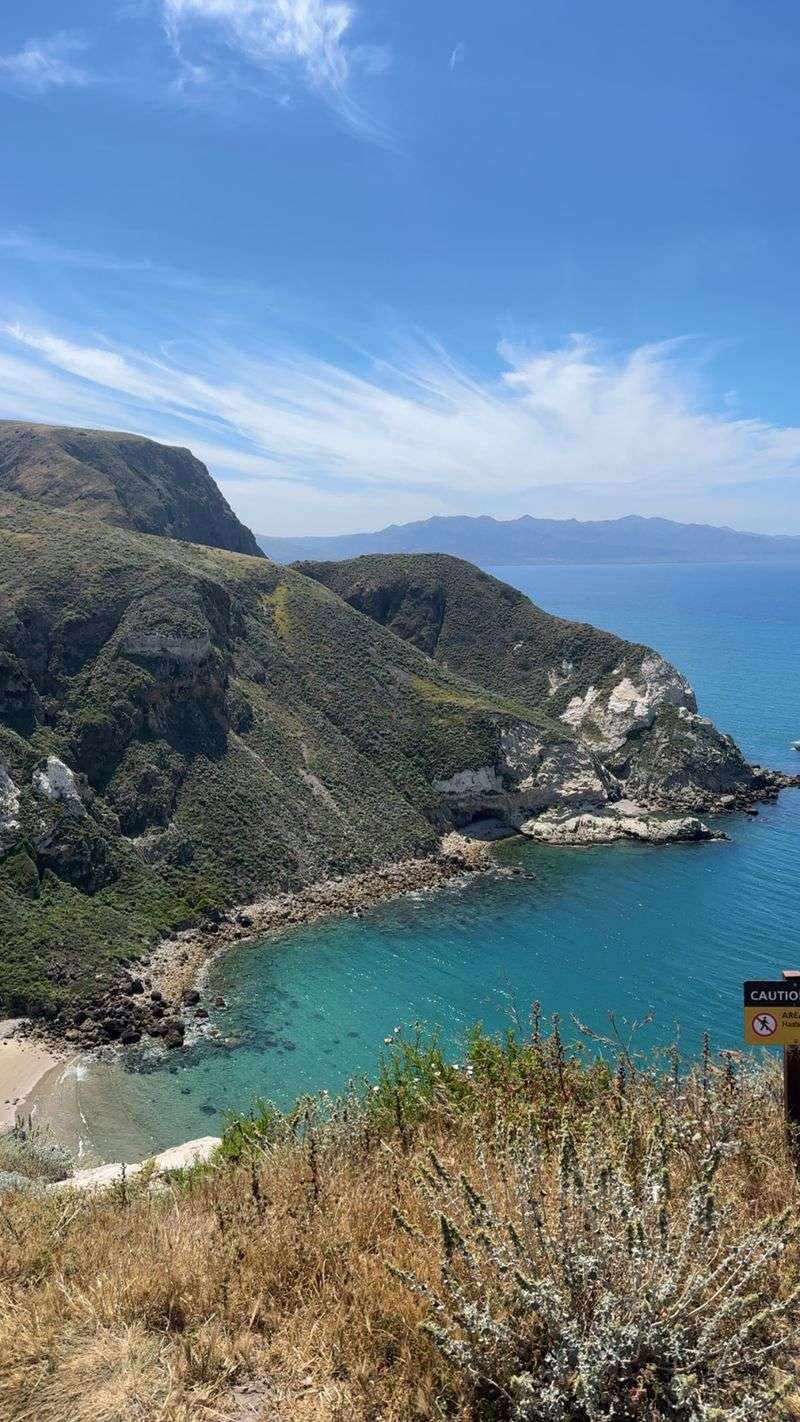
Below the surface, the park keeps going. The water near shore is clear, clean, and full of life.
Snorkeling ranks high on the list of favorite activities. Some campers rent gear and spend part of their stay floating offshore.
The beach near the landing is open for swimming. It is mostly rocky, so this is not a classic sandy beach day.
Diving and spearfishing are also part of what the park offers. That variety gives water lovers plenty to do beyond the kayak tours.
Pairing snorkeling with hiking and paddling is popular for multi-day stays. Two nights gives enough time to try all three and still relax.
A quick tip: water shoes help with the rocky entry. Your toes will thank you later.
Smugglers Cove and Scorpion Rock
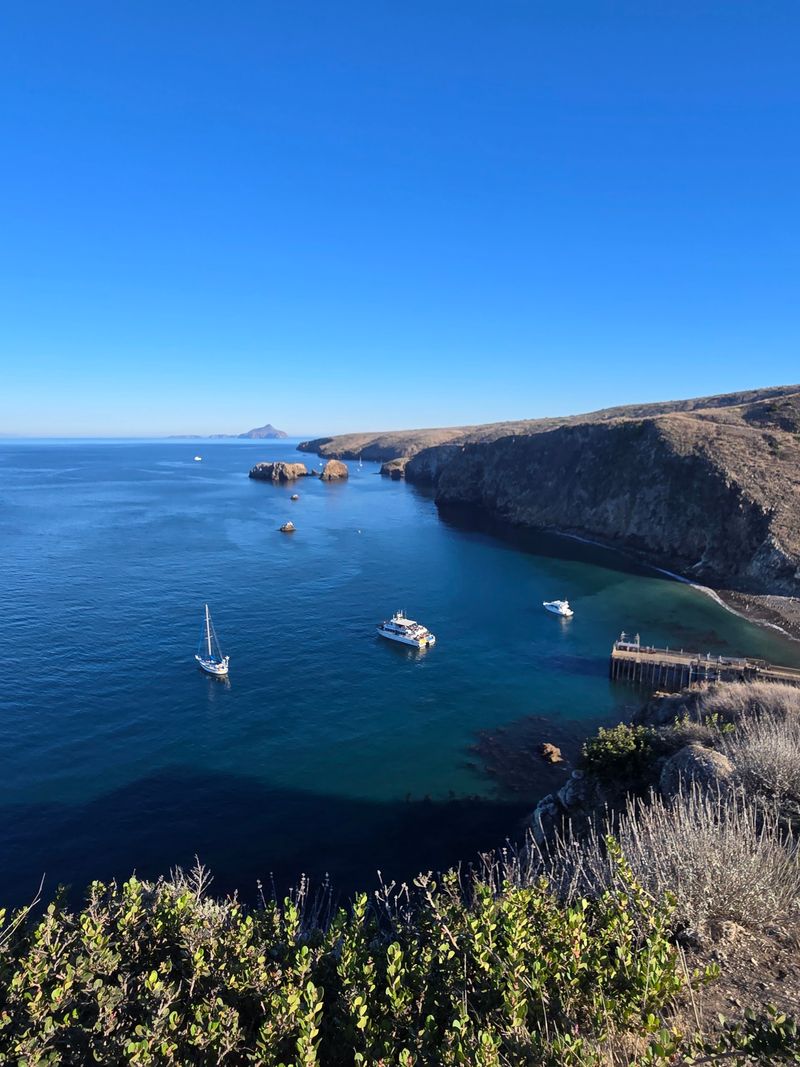
Potato Harbor gets the spotlight, yet two other spots deserve equal billing. Scorpion Rock Overlook and Smugglers Cove are favorites for longer stays.
Both appear on the must-do lists of travelers who spend two days and two nights on Santa Cruz. Paired with snorkeling and kayaking, they round out a full island itinerary.
Trails across the island suit different fitness levels. Coastal cliffs, ocean views, and seasonal wildflowers line many routes.
Quiet is part of the appeal. With so few people on the island at once, hikers often feel like they have the place to themselves.
Restrooms exist only at the ferry landing and the campgrounds, not along the trails. Planning breaks around that fact saves awkward moments later.
Shade is also scarce beyond the campgrounds. A hat and sun protection belong in every daypack.
Camping Under a Dark Sky
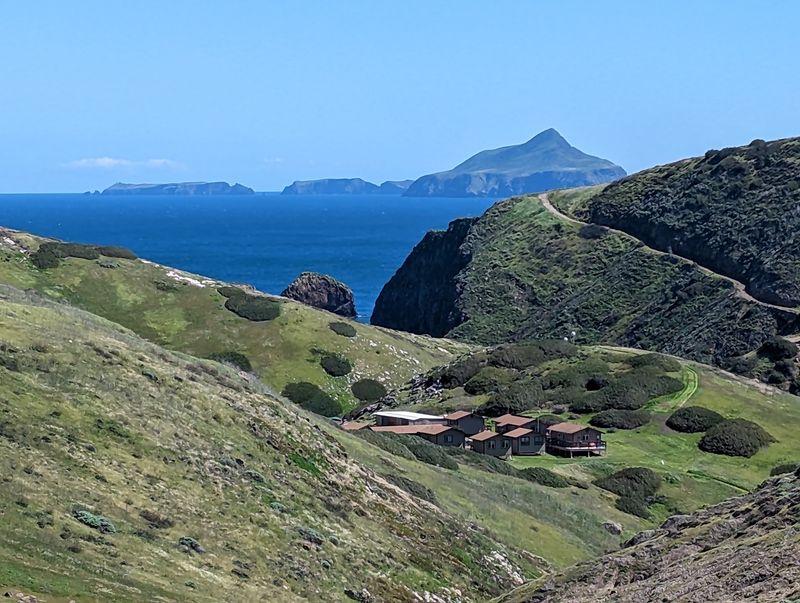
Day trips are great, but the island changes after the last ferry leaves. Camping lets guests stay for the quiet hours.
Stargazing is a popular evening activity. Sunsets from the high viewpoints are another reason to linger.
Cell service is limited, so conversations replace screens. Many campers see that as a feature rather than a flaw.
Bathrooms and drinking water at the camping areas are well kept. Food storage boxes are provided to protect supplies from hungry critters.
Two nights is often called the ideal length. One night feels rushed for those who want time to hike, kayak, snorkel, and still unwind.
Boy scout troops, siblings, couples, and national park collectors all make the trip. Adventure seekers of all kinds find something to love here.
Wild, Quiet, and Refreshingly Simple
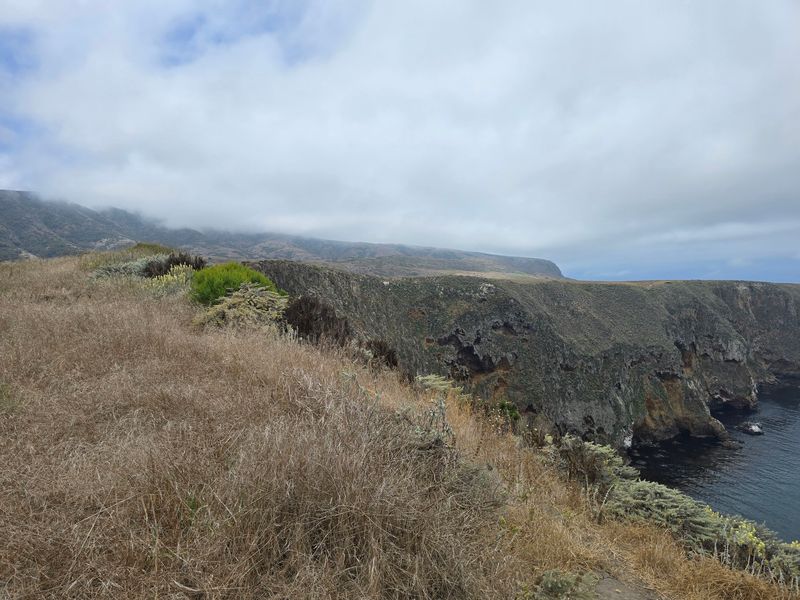
Few California parks feel this untouched. Channel Islands has been the least visited national park in the state for several years.
The likely reason is the cost and effort of the boat ride. That same hurdle keeps crowds very low.
The islands are primitive, unlike more developed spots such as Catalina. There are no stores, hotels, or restaurants.
That lack of development is exactly what makes the place special. It feels protected and wild.
Park rangers greet arriving boats and explain the rules. National Park Service volunteers also guide some visits with plenty of enthusiasm.
The overall mood is calm and restorative. Some travelers compare the scenery to the Mediterranean, though it sits a short trip from Los Angeles.
What to Pack and What to Expect
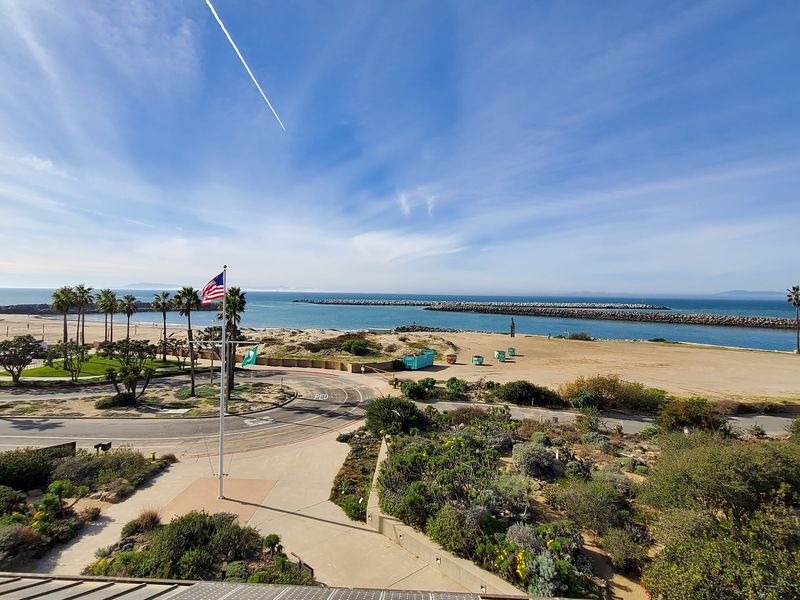
Preparation is the price of admission here. Everything for the day must come along on the boat.
There is no food or water for sale on the island. Pack meals and drinks, and plan to carry all trash back, since there are no trash cans.
Weather can swing in either direction. One mid-August trip saw a high of only 70 degrees with lots of sun, while other visits face steady rain.
A raincoat and durable shoes help in wet conditions. Phones and chargers can get soaked, so a waterproof bag is worth bringing.
Timing matters most. Some day trips allow a little under five hours on the island, so every activity must fit the return schedule.
Miss the ferry and you will be spending the night. That is one surprise campout nobody wants.
Worth Every Wave
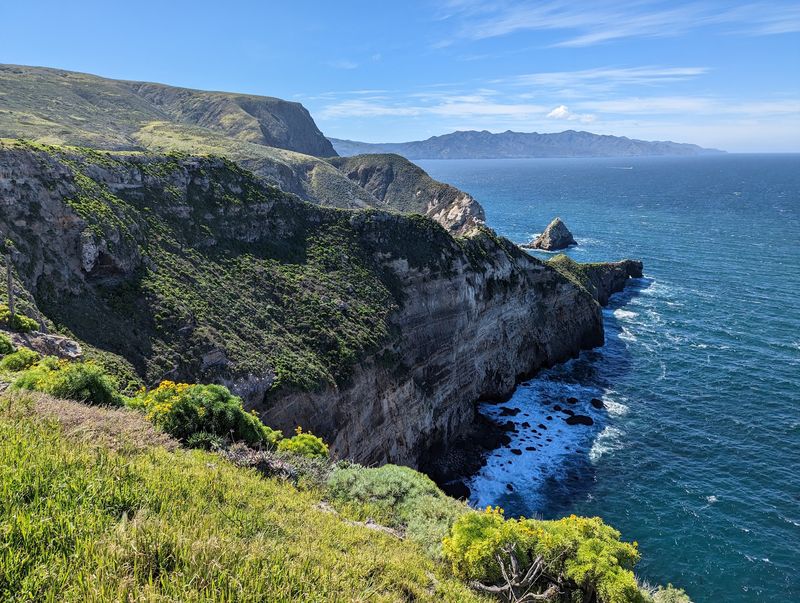
Ask park collectors to name a standout, and this one often makes the list. It holds a 4.8-star average and lands in many personal top fives.
The appeal comes from a mix of things. A wildlife-filled ferry ride, island foxes, quiet trails, and those cathedral-like sea caves all add up.
Yes, it takes planning. Ferry reservations, packing every snack, and watching the clock are part of the deal.
Those small hurdles feel minor once the kayak slips under a towering arch. The reward is a rare sense of being stranded on a wild island for the day, in the best way.
For more details, the park website at nps.gov/chis is the place to start. Book the boat, reserve a paddle, and let the Pacific do the rest.
Share this story