Somewhere in Hollywood, a little museum hands out notepads and pens at the door, and nobody is allowed to snap a single photo inside. The topic is the one thing every human shares, and the exhibits do not tiptoe around it.
True crime fans travel from far away to see it, while others step back out after one hallway. The staff greet everyone warmly and even suggest movies and shows to watch afterward.
One room in particular, filled with funeral history, keeps pulling curious guests deeper inside. Keep reading to learn what waits behind the curtain, what it costs, how long a visit takes, and who should probably skip it.
Consider this a friendly heads-up before an unforgettable afternoon in Los Angeles.
A Curtain on Selma Avenue
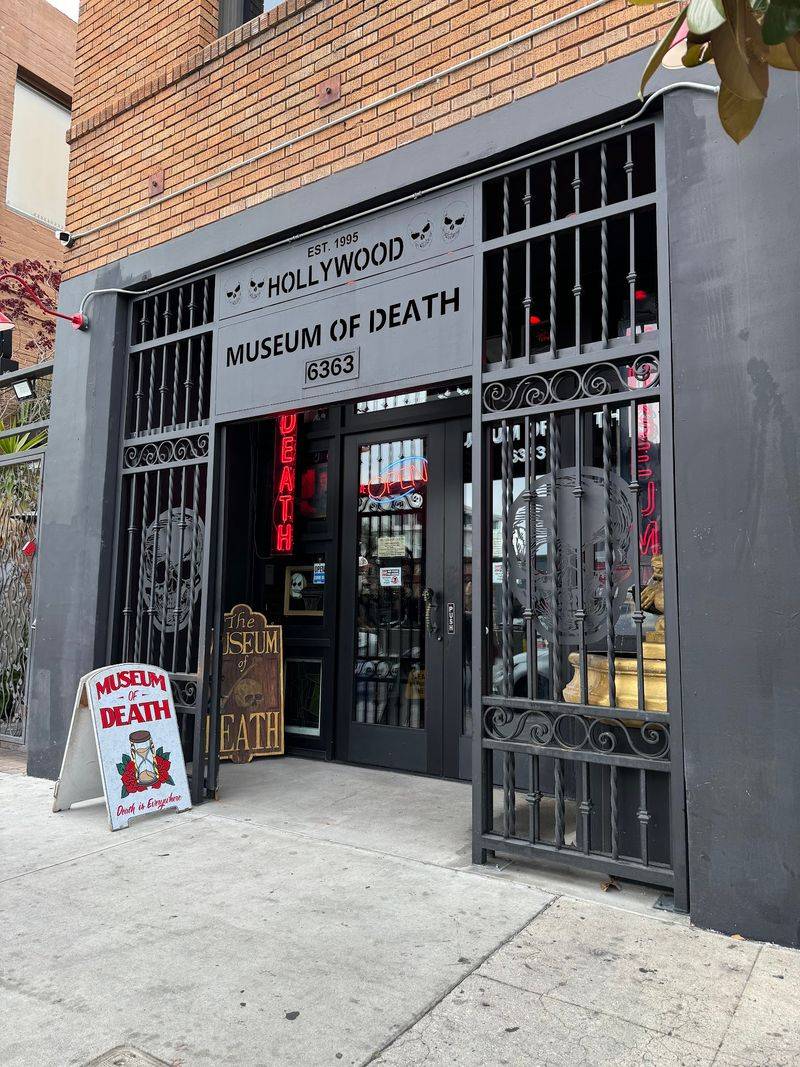
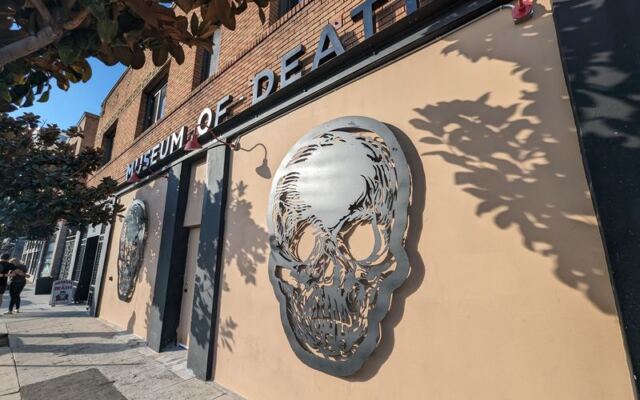
Hollywood is full of glamour, but one address on Selma Avenue trades red carpets for a much darker subject. The Museum of Death Hollywood sits at 6363 Selma Ave, Los Angeles, CA 90028, in the heart of Hollywood, California.
The museum explores death in nearly every form. Exhibits cover crime scene photographs, serial killers, cults, cannibalism, celebrity cases, war crimes, prison executions, mob crimes, and taxidermy.
It is a self-guided experience across two floors. Guests can return to any room or display as often as they like, with no time limit on a visit.
The building is fairly small, yet it packs in a surprising amount. There is an elevator inside for anyone who cannot handle the stairs to the second story.
Once guests pass the curtain at the start of the exhibits, the content is intense and nonstop. Graphic photos and specimens appear in almost every room or hall.
That bold approach has earned the place a strong following, with a 4.4-star standing across hundreds of opinions. Not bad for a museum that asks people to stare at the hardest topic around.
From Old Home to Bigger Rooms
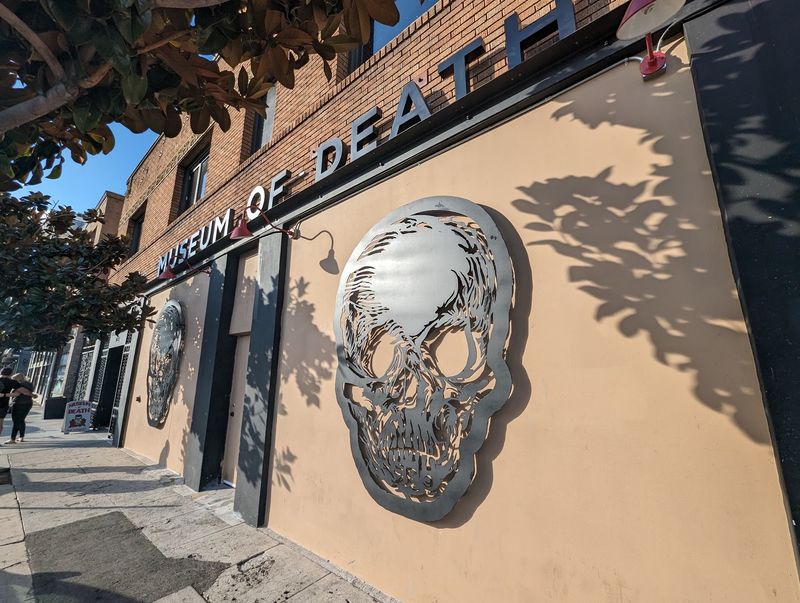
Longtime fans like to say there are two eras of this museum. The original location drew curious crowds well over a decade ago, and the collection later moved to its current, larger space.
The bigger footprint means more rooms. Each category of death now gets its own dedicated area, which allows for a more in-depth look at every theme.
Some returning guests miss the rougher charm of the first spot. They feel the new home is more polished and less raw than before.
Others appreciate the extra breathing room. More space means more artifacts, more reading material, and more chances to linger.
Repeat trips are common here. Plenty of people visit once, then come back later to bring a partner or family member along.
That kind of loyalty says a lot. A museum built around such a heavy subject keeps earning second tickets, which is quite the plot twist.
The Mortuary Room Everyone Mentions
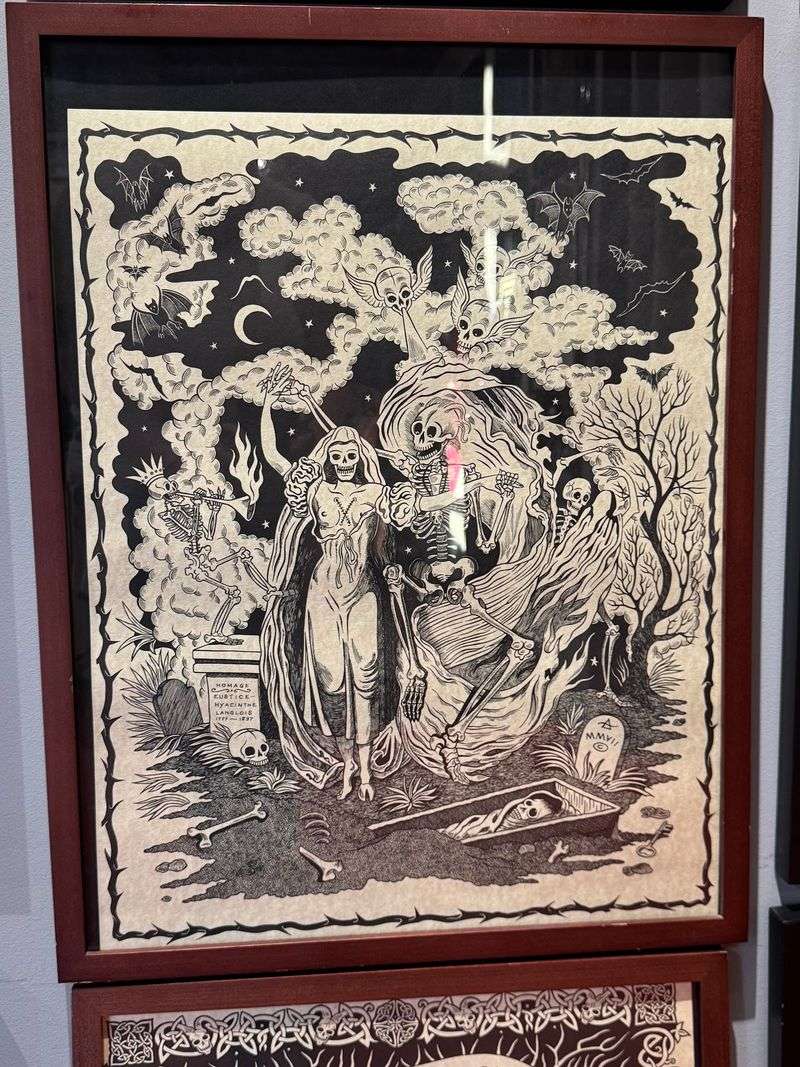
Here is the room behind the headline. The mortuary room holds pretty much anything connected to a funeral that a person could think of.
The setups are thoughtfully arranged and well placed. Guests move through the history of how society has handled farewells, from tools to traditions.
Compared to the crime galleries, this space feels more educational than shocking. It offers context about a process that most people never see up close.
That balance makes it a favorite stop. Many guests mention it as a highlight, especially those who enjoy history as much as true crime.
It also pairs nicely with the museum’s taxidermy, preserved bugs, and animal skulls. These natural history touches give the eyes a short break from the photo walls.
Bring the free notepad here. The details in this room are the kind that people want to look up later at home.
Infamous Names and Rare Artifacts
True crime fans tend to arrive with a checklist. The museum covers big-name killers as well as lesser-known cases that rarely make headlines.
The Manson room is a frequent favorite. It includes photos connected to the Sharon Tate case that many guests say they had never seen before.
Shrunken heads are another crowd-pleaser, if that phrase can apply here. They sit among specimens, artifacts, and media gathered into a private collection.
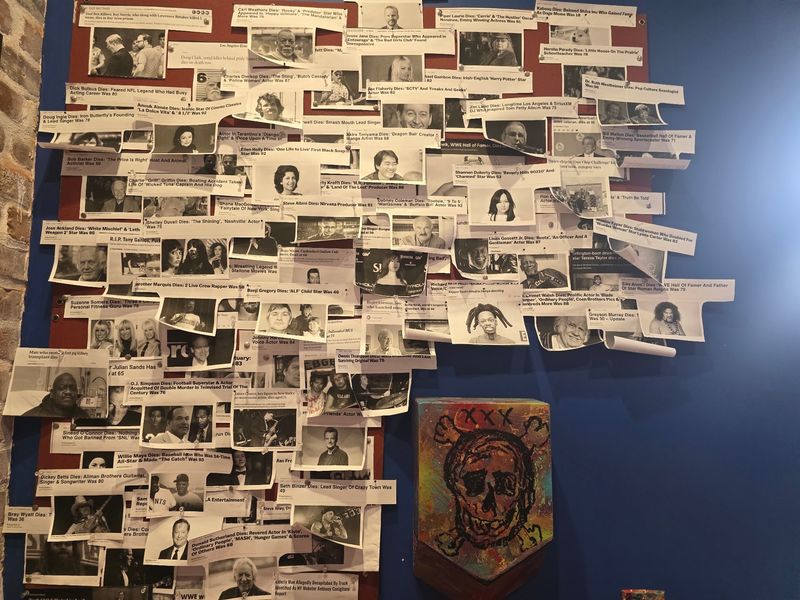
Hundreds of news articles cover historic events. There is also some pop culture satire relating to the topic, adding a dry wink to the heavy material.
Many items are actual pieces tied to infamous events and people. Some guests feel a few images could be found elsewhere, but others point to once-in-a-lifetime pieces.
Either way, there is a lot of reading. Visits usually run about an hour, though fans who read everything often stay two to three hours or more.
Why Phones Stay in Pockets
A notepad and pen replace the camera roll at this museum. Photos and videos are not allowed inside the exhibit areas, and phone use is off-limits too.
Many guests see the rule as a sign of respect for the people shown in the displays. It also keeps the content from spreading online without context.
Some feel the policy protects the mystery. The exhibits are meant to be experienced in person, not scrolled past on a screen.
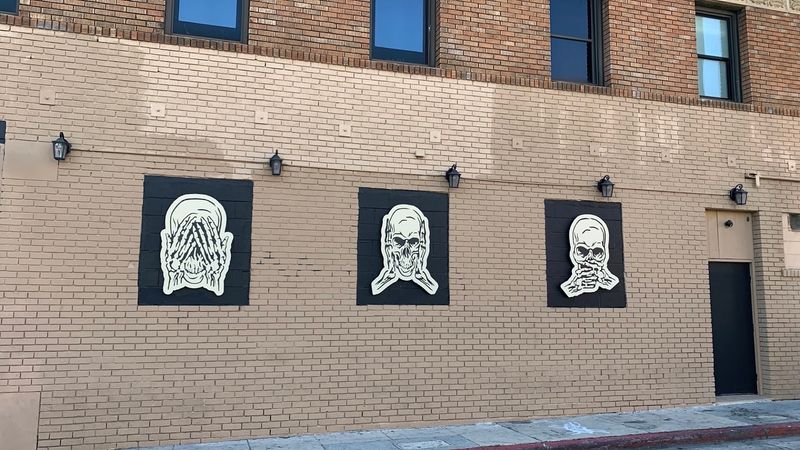
Good news for social media lovers, though. The lobby allows photography and has some fun pictures up that guests can capture freely.
The staff provide paper and pens at the start so guests can jot down names and cases. It turns the visit into a bit of a research trip.
Plenty of people leave with pages of notes. Turns out a pen can be the best souvenir in the building.
A Friendly Crew in a Grim Setting
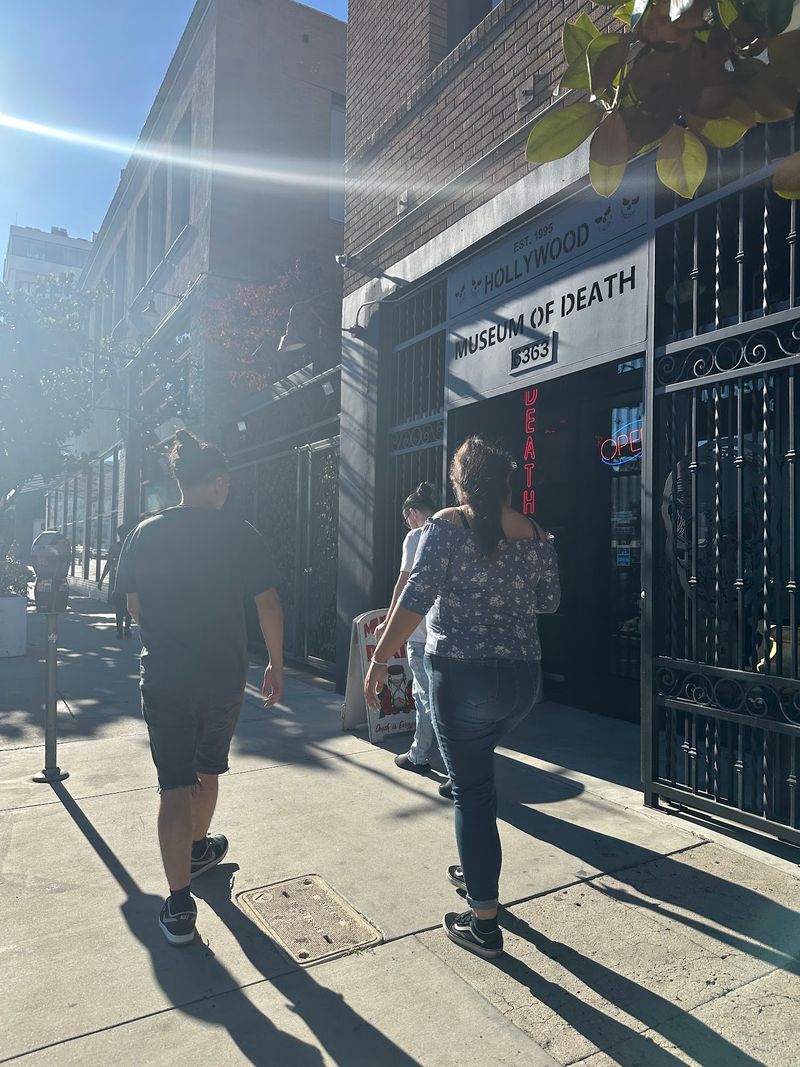
Few things surprise first-timers more than the warm welcome. Friendly staff come up again and again, with more than a hundred mentions of their kindness.
The team gives a quick rundown of the museum before guests head in. They answer questions and share background facts that catch even seasoned fans off guard.
Some employees recommend movies and shows to explore afterward. Others suggest other sites to see around Los Angeles.
The care extends to guests who feel overwhelmed. Staff check in on people who decide to leave early and make sure they are okay.
That approach matters in a place with such heavy content. A kind word at the door sets the right tone for what follows.
Darkness on the walls, sunshine at the front desk. It is an unusual mix, and it works.
Who Should Go, and Who Should Pass
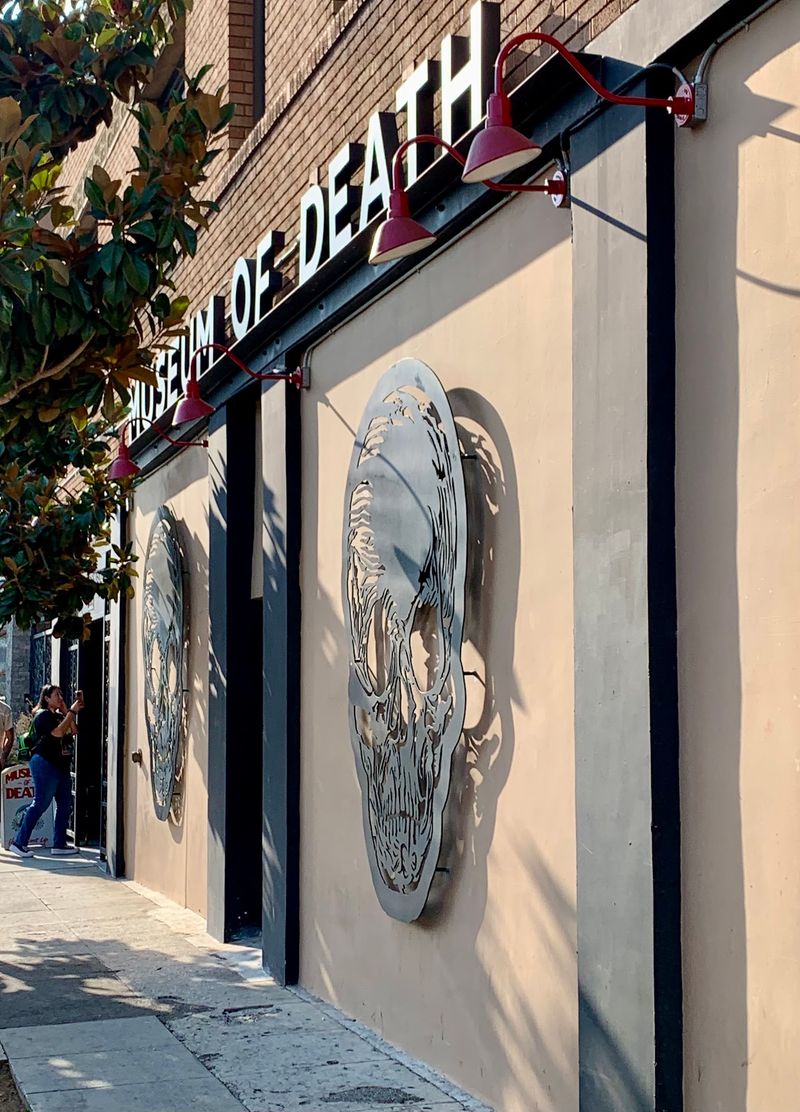
Honesty first: this museum is not for everyone. The imagery is graphic and uncensored, including crime scene and autopsy photos.
It suits true crime lovers, horror fans, and anyone curious about anatomy, history, and the macabre. Many describe it as fascinating, educational, and sometimes sad.
Some guests find certain captions and photo walls too much. A few feel parts of the collection lean toward shock instead of context.
There is no age limit, so parents should think carefully before bringing kids. Doing a little research before the trip is a smart move.
A helpful tip from regulars is to skip a big meal right before. The content can be hard on the stomach.
Approach it thoughtfully, and the visit can leave a lasting impression. Go in ready to learn, not just to be shocked.
Tickets, Hours, and Parking Notes
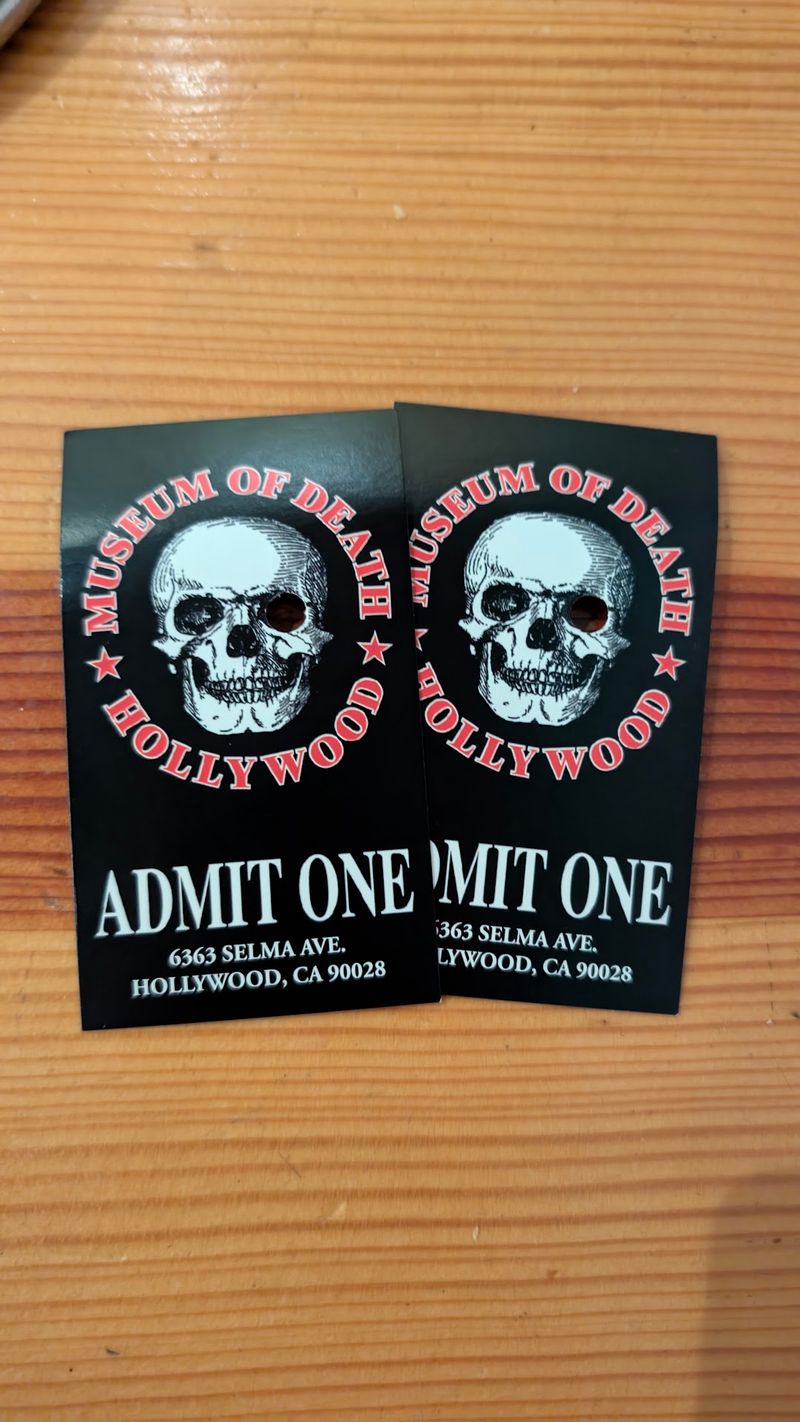
Planning is refreshingly simple. The museum opens every day of the week from 11 am to 8 pm.
Admission runs roughly $20 to $23 per person, with a small card fee. The museum is cashless, so bring a card.
Tickets come with no time limit. That flexibility is a big plus for readers who want every caption.
The entry area doubles as a gift shop with shirts around $30 to $40. Some find the fabric thin for the price, so check before buying.
Three paid lots sit very close to the building, along with metered street spots. Parking in Hollywood can still be a hassle, so allow extra time.
The verdict is gentle but clear. For fans of true crime and the strange side of history, this Selma Avenue stop is worth seeing at least once, and that mortuary room may keep you lingering longer than planned.
Share this story